India debunks viral E20 myths as ethanol blending hits target
India said E20 blending reached 20% ahead of schedule, while rejecting viral claims that the fuel wrecks engines or voids insurance.
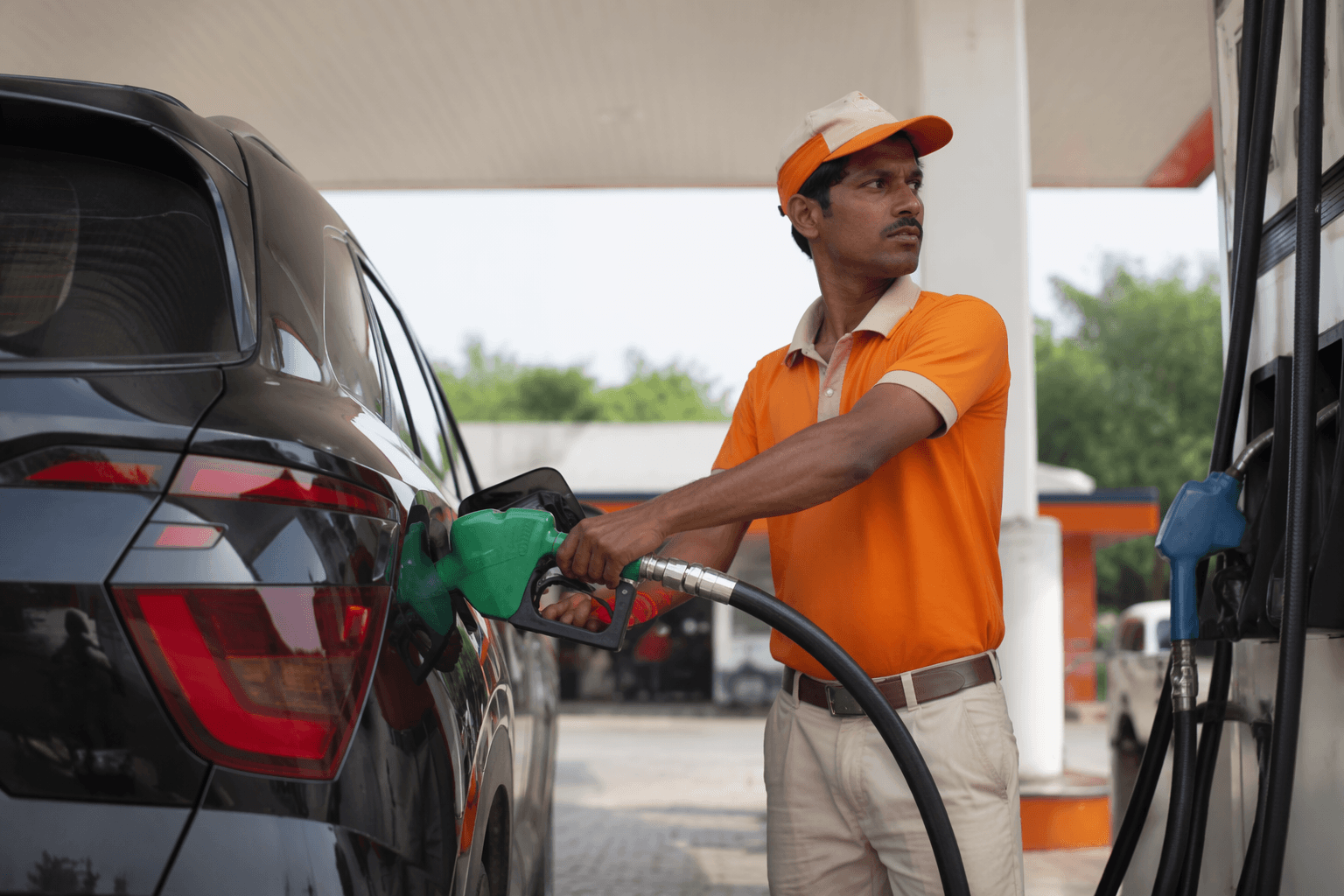
India’s petroleum ministry on June 24 said ethanol blending hit 20%, ahead of schedule, and rejected viral claims that E20 damages engines, contaminates water or voids motor insurance claims.
The Ministry of Petroleum and Natural Gas said the social-media claims around E20 petrol were unverified and that the country’s Ethanol Blending Programme is backed by science, technical evaluations, continuous monitoring and stakeholder consultations. The ministry said the programme does not trigger widespread engine failure, does not attract insects, and does not invalidate insurance claims.
India launched the Ethanol Blending Programme in 2003, and the National Policy on Biofuels, amended in 2022, advanced the 20% blending target from 2030 to Ethanol Supply Year 2025-26. Government figures show blending was 1.53% in 2014, reached 10% in June 2022 and then crossed the 20% threshold ahead of the original deadline.
The ministry said E20 has a higher octane number than petrol and can improve acceleration. It also said mileage changes for older vehicles are generally marginal and can be reduced through engine tuning and better materials. For drivers, the practical check is the one written into the vehicle paperwork: owner manuals, fuel-grade guidance and warranty terms should be matched to the blend a car is designed to use, especially in older models.

The programme has been rolled out through testing with oil companies, automakers, distilleries, the Automotive Research Association of India, the International Centre for Automotive Technology and the Bureau of Indian Standards, according to the ministry and the Society of Indian Automobile Manufacturers. That technical stack is central to the government’s rebuttal of claims that E20 causes blanket mechanical damage.
Officials have tied the blend push to energy security, lower crude imports, lower emissions and higher farm incomes. NITI Aayog estimated in its roadmap that a successful E20 programme could save about $4 billion a year, or roughly Rs. 30,000 crore, based on 2020-21 import costs. The latest clarification lands after months of public debate over fuel compatibility and warranty worries, with the government now pressing the case that the issue is settled by the programme’s scale, the testing behind it and the 20% result already in hand.
This article was produced by Prism’s automated news system from verified source data, official records, and press releases, then run through automated quality and moderation checks before publishing. The system is built and supervised by the people who set the standards it runs under. Read our full AI policy.
Did this article answer your question?