Indonesia targets July 2026 launch of B50 biodiesel mandate
Indonesia said B50 is on track for July 1, 2026, a shift that would raise its palm-based diesel blend to 50 percent and target 157.28 trillion rupiah in savings.
Indonesia on June 18 said it was on track to launch its B50 biodiesel mandate on July 1, 2026, lifting the palm-based blend in diesel fuel to 50 percent from B40. Energy and Mineral Resources Minister Bahlil Lahadalia said the government was optimistic after tests returned positive results, setting up a policy shift that would make 2026 a hybrid year with B40 in the first half and B50 in the second.
The ministry framed the rollout as an energy-security move with a 157.28 trillion rupiah import-cost saving estimate for 2026. That follows a run of earlier mandates that already shifted more palm oil into fuel: Indonesia’s B40 program took effect on January 1, 2025, while the Energy Ministry said B35 in 2024 distributed 13.15 million kiloliters, or about 98 percent of the 13.4 million kiloliter allocation, and saved an estimated US$7.86 billion, or Rp124.28 trillion, in foreign exchange. The ministry said B40 in 2025 was expected to involve 15.6 million kiloliters and save US$9.33 billion, or Rp147.5 trillion.
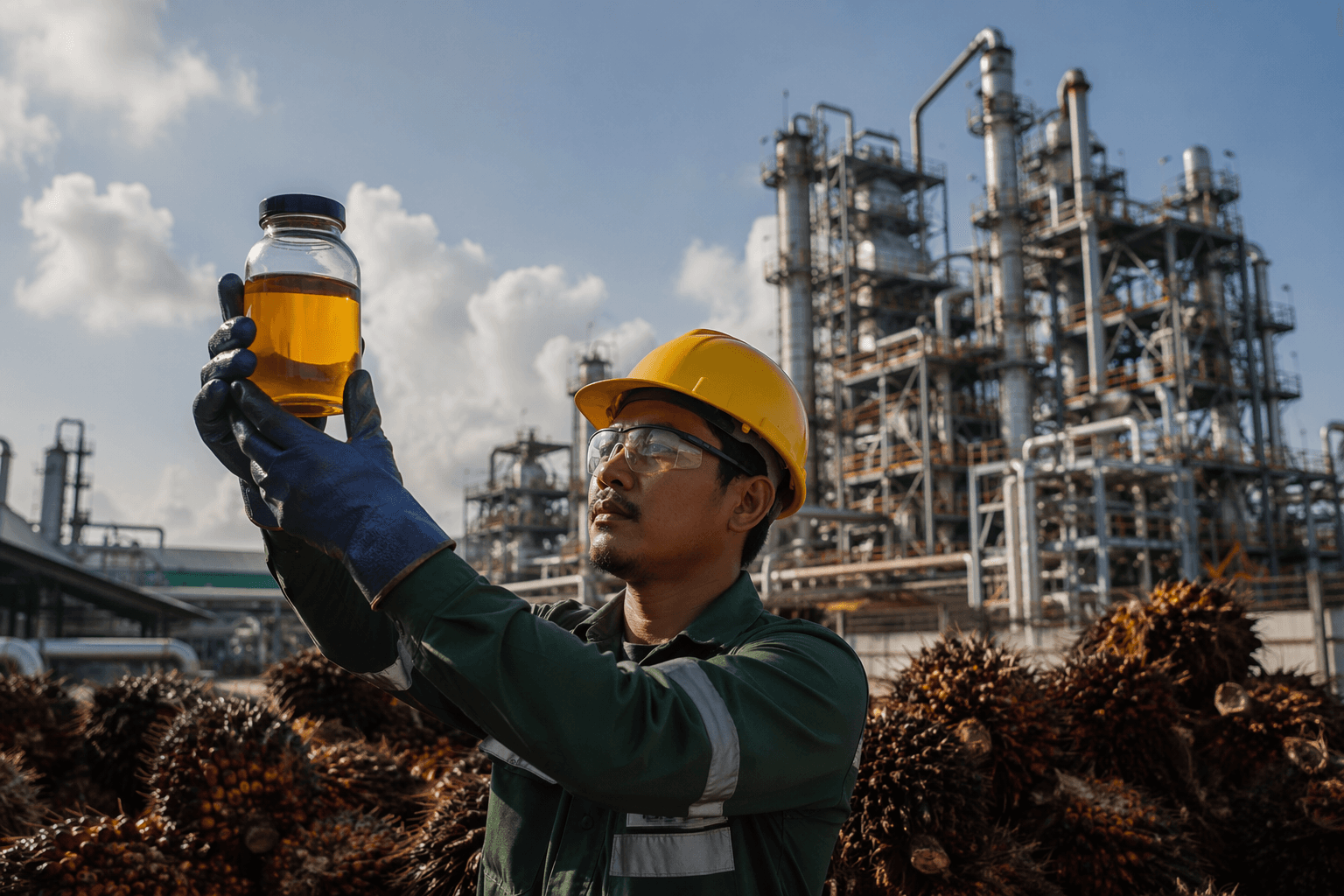
Bahlil said in April that the B50 trial had run for nearly six months and had been tested on heavy equipment, ships, trains, trucks and other vehicles. That testing matters because the fuel mix, 50 percent crude palm oil and 50 percent fossil diesel, will need to work across Indonesia’s transport and industrial fleet if the July deadline holds. PT KAI’s train testing was included in the cross-sector trial effort, alongside work with other vehicle categories.
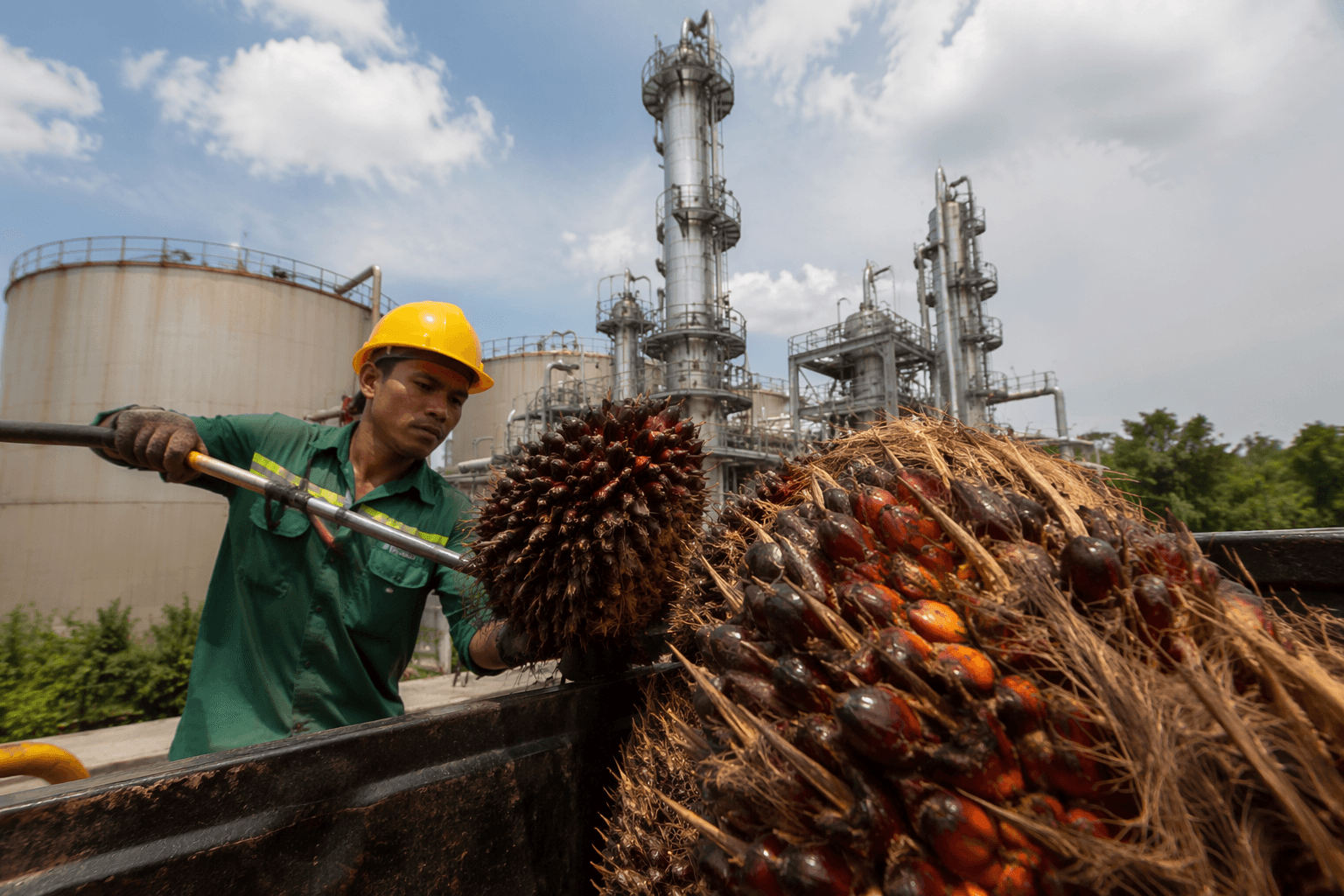
Industry reaction has been cautious. Gabungan Pengusaha Kelapa Sawit Indonesia, or GAPKI, said in May that B50 could require an additional 3 million to 3.5 million tons of crude palm oil a year once fully operational, a scale that would tighten the link between domestic fuel policy and exportable vegetable oil supply. One report said Indonesia’s palm-oil processing industry has methanol capacity of 400,000 tons, against total demand of 2.3 million tons, a gap that would leave the program exposed to input bottlenecks if supply does not expand.
That supply squeeze is why B50 has become a global stress test for palm-based biodiesel policy. President Prabowo Subianto has tied the broader fuel program to ending diesel imports from 2026 and reducing other fuel imports through 2030, while separate coverage has said the government sees B50 creating more than 2.2 million jobs and cutting 46.72 million tonnes of carbon dioxide in 2026. For traders, refiners and palm oil buyers, the question is no longer whether Indonesia will push harder on biodiesel, but whether it can fund, feed and run the mandate without disrupting exports and prices.
This article was produced by Prism’s automated news system from verified source data, official records, and press releases, then run through automated quality and moderation checks before publishing. The system is built and supervised by the people who set the standards it runs under. Read our full AI policy.
Did this article answer your question?