Indonesia’s B50 biodiesel rollout tests energy independence goals
Indonesia will launch B50 on July 1, but the mandate needs 19 million kilolitres a year and up to 18 million metric tons of crude palm oil.

Indonesia will start its B50 biodiesel mandate on July 1, blending 50% palm oil-based fuel with 50% conventional diesel. The launch lands after a stop-start rollout that was shelved in January over technical and funding concerns, then revived in March after fuel tests came back encouraging.
The 2026 quota was set at 15.646 million kilolitres, barely above the 15.6 million kilolitres allocated for 2025, when the country’s biodiesel consumption was estimated at 12.98 million kilolitres. Indonesia’s installed biodiesel capacity is about 19.6 million kilolitres, and plants typically run at about 85% utilization because of maintenance downtime.
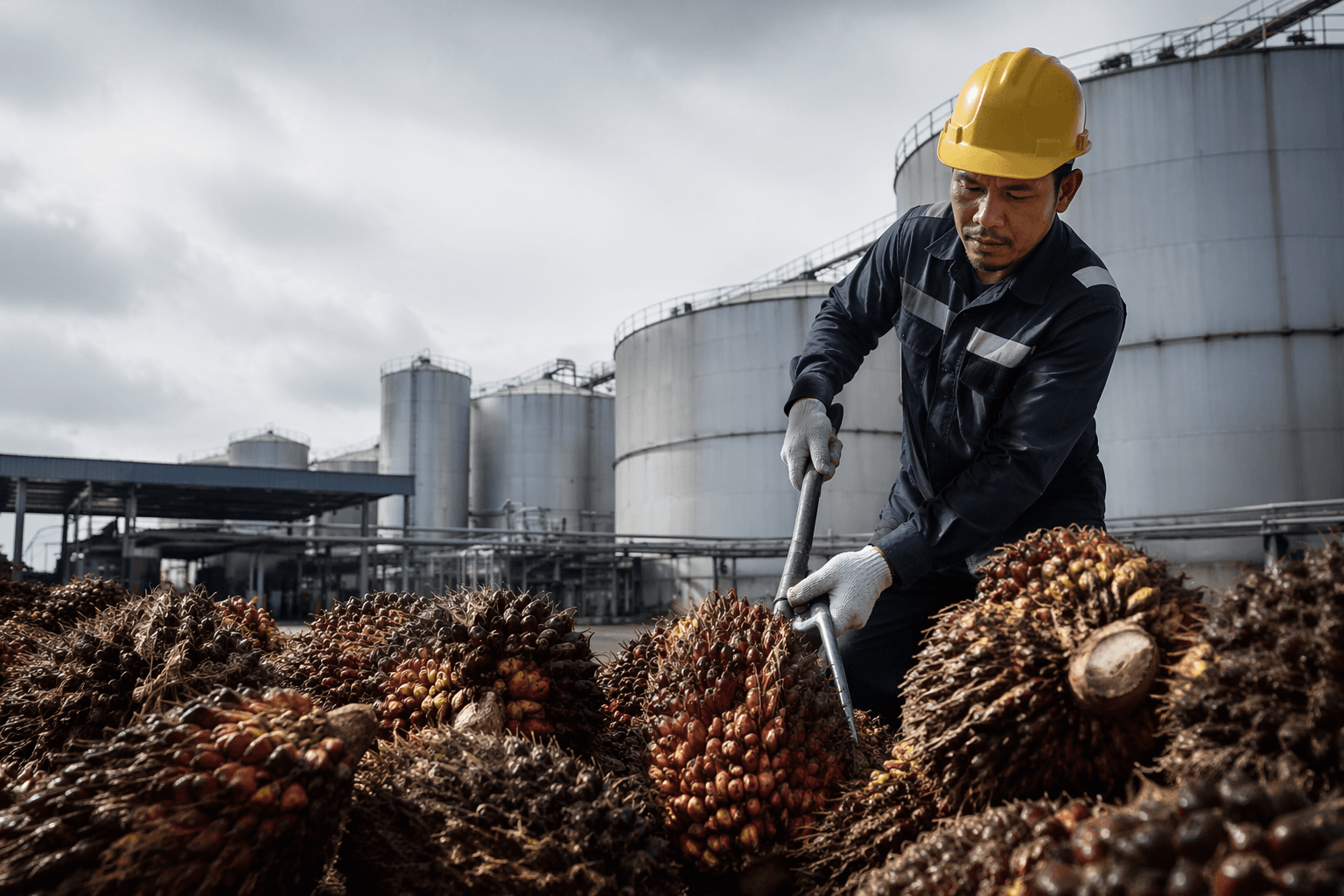
APROBI estimates that a full B50 mandate would lift annual biodiesel demand to about 19 million kilolitres and require 17 million to 18 million metric tons of crude palm oil feedstock. In December, a Singapore-based trader put Indonesia at B45 instead of B50 if production falls short.
Eniya Listiani Dewi projected biodiesel subsidies for 2026 at 32 trillion rupiah, down from 47 trillion rupiah, after crude prices moved palm oil to a cheaper position versus gasoil. In June, the energy ministry put a 2026 program with B40 in the first half and B50 from July through December at about 157.28 trillion rupiah in import costs saved, versus 139.8 trillion rupiah if B40 stayed in place all year.
BPDPKS put B40 subsidy support at a 68% increase, and Jakarta planned to raise the crude palm oil export levy to 10% from 7.5% to fund the gap. BPDP had collected 17.4 trillion rupiah, or 64% of its 26.84 trillion rupiah full-year target, by the January-May period.
This article was produced by Prism’s automated news system from verified source data, official records, and press releases, then run through automated quality and moderation checks before publishing. The system is built and supervised by the people who set the standards it runs under. Read our full AI policy.
Did this article answer your question?