Jalles Machado boosts 2026-27 ethanol output, cuts sugar production
Jalles Machado lifted 2026-27 ethanol output 18% to 372,000 cubic metres and cut sugar 4.2% as it shifted more cane into fuel.
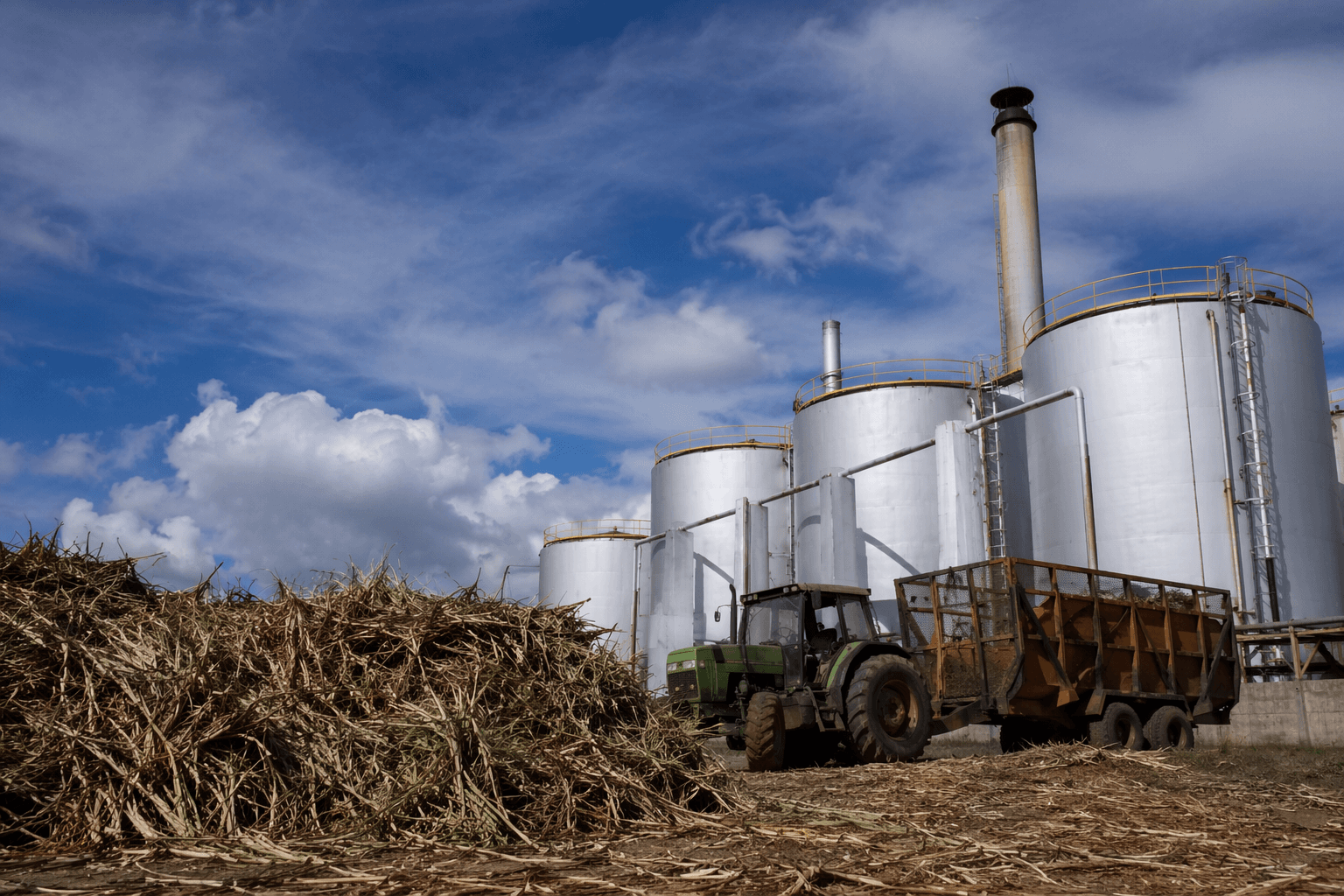
Jalles Machado on June 17 lifted its 2026-27 ethanol plan 18% to 372,000 cubic metres, while sugar output was set to fall 4.2% to 418,100 tonnes. Cane crushing will rise 10.2% to 7.8 million tonnes, signaling the Brazilian producer is steering more of its crop into fuel.
The mix shift is a direct read-through on relative returns in Brazil’s cane economy. Jalles is choosing to emphasize ethanol over crystal sugar even as both markets remain under price pressure, a sign management sees more value in fuel for the coming crop year. For integrated mills, that kind of allocation decision is the clearest lever in the crush spread, because the same tonne of cane can be directed toward a different margin depending on sugar pricing, ethanol demand and export conditions.
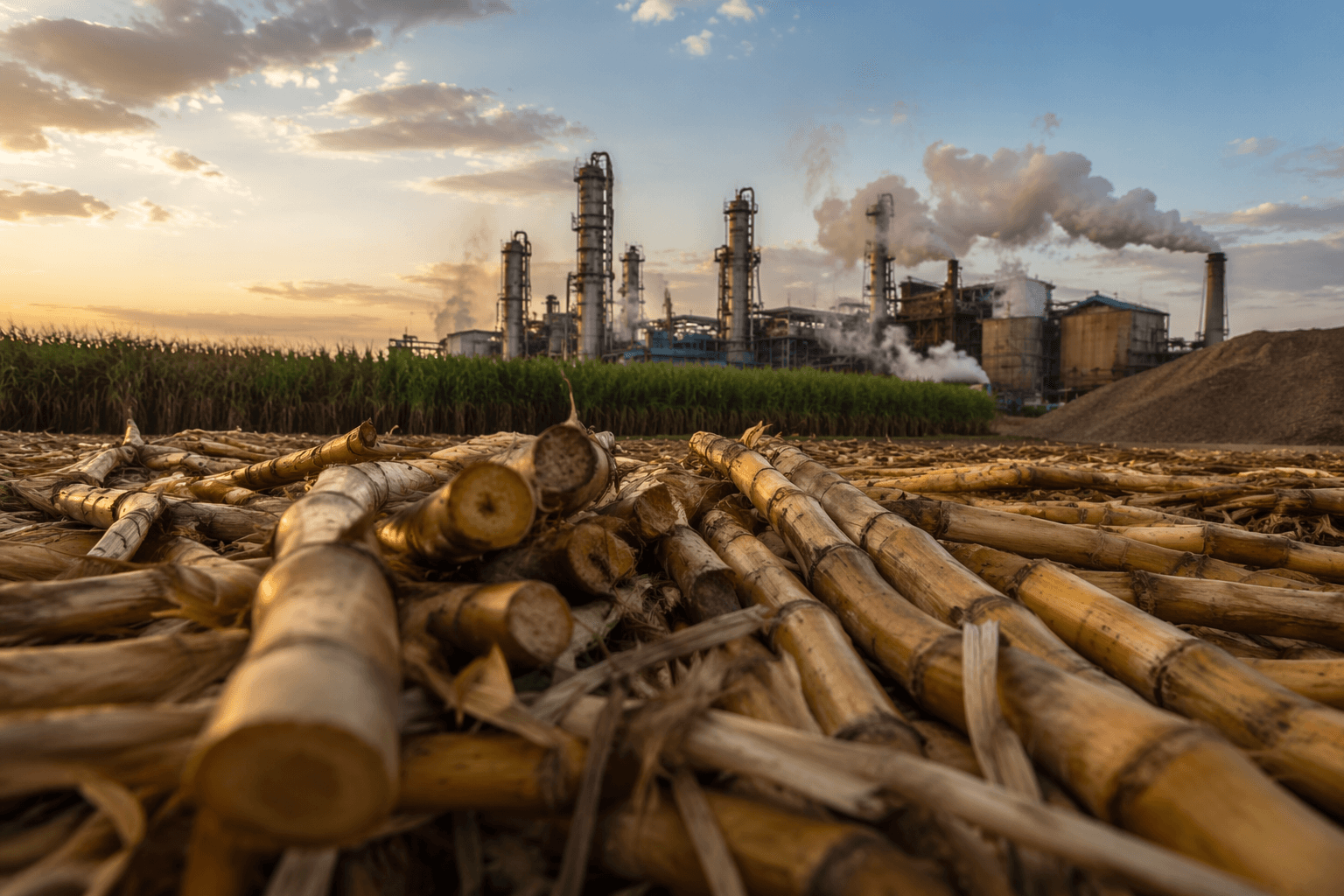
The new 7.8 million-tonne crush target is also below the 9.0 million tonnes Jalles projected in a July 7, 2023 filing for the 2026-27 crop. That earlier guidance also assumed field productivity of 94.7 tonnes per hectare at UJM, 99.1 tonnes per hectare at UOL and 78.0 tonnes per hectare at USV, which shows the company has since taken a more conservative view of throughput. Jalles described the June 2026 outlook as coming in a challenging price scenario for both sugar and ethanol.
The production reset lands in a Brazilian policy setting that favors fuel. The federal government put E30 into force on August 1, 2025, lifting the mandatory ethanol blend in gasoline to 30%, and the Ministry of Mines and Energy said the measure could lower gasoline prices and reduce gasoline imports. Brazil’s Fuel of the Future law, enacted on October 9, 2024, also expands the role of ethanol, biodiesel, sustainable aviation fuel, green diesel and biomethane in the country’s energy transition.
That backdrop helps explain why mills like Jalles are still leaning toward ethanol even as export and domestic sugar flows stay important. UNICA’s sector data portal tracks sugarcane, ethanol, sugar production, exports, imports, prices and fuel consumption, and the industry association said Brazil’s 2025-26 harvest ran from April 1, 2025 to March 31, 2026. With policy support still building and gasoline blending volumes rising, Jalles’ 2026-27 mix suggests Brazilian producers are positioning for a fuel-heavy cycle rather than maximizing sugar.
This article was produced by Prism’s automated news system from verified source data, official records, and press releases, then run through automated quality and moderation checks before publishing. The system is built and supervised by the people who set the standards it runs under. Read our full AI policy.
Did this article answer your question?