KATZEN signs tech deal for 200 million-liter Brazil ethanol plant
KATZEN will design a 200 million-liter-a-year grain ethanol plant near Jataí, adding another corn-based project to Goiás’s expanding fuel map.
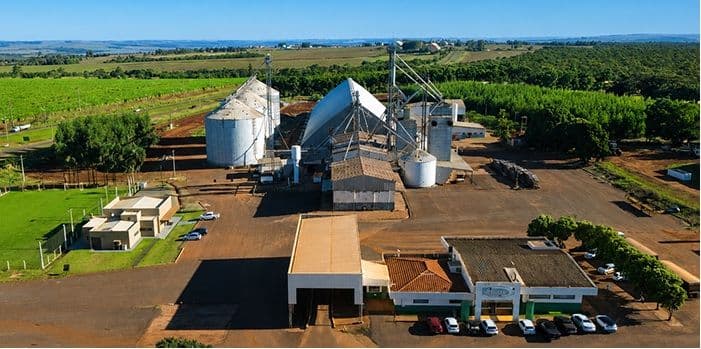
KATZEN International on June 26 signed a deal with Grupo Paraíso for a 200 million liter-per-year grain ethanol plant near Jataí, Goiás, Brazil. The project adds another industrial grain-to-fuel asset to central Brazil and extends KATZEN’s footprint in South American ethanol engineering.
Goiás has already become one of Brazil’s major ethanol states. The Government of Goiás said the state produced 5.54 billion liters in the 2019/2020 crop year, placing it second in the country at the time. Jataí has also drawn fresh investment in low-carbon fuels: in October 2024, Governor Ronaldo Caiado and Raízen launched the cornerstone for the state’s first second-generation ethanol plant in the municipality, a R$1.2 billion project that was said to create more than 1,000 direct and indirect jobs.

The new KATZEN-Grupo Paraíso plant fits a broader shift in Brazil’s ethanol mix. UNICA said the country’s corn ethanol sector processed 6.5 million tons of corn and produced about 8.2 billion liters of ethanol in the 2024/2025 harvest season. USDA’s Foreign Agricultural Service projected total Brazilian ethanol production in 2025 at 39.7 billion liters, including 30.1 billion liters of cane ethanol and 9.6 billion liters of corn ethanol. Those figures show grain ethanol has become a meaningful part of Brazil’s fuel balance, not just a niche add-on to the sugarcane system.
KATZEN says it provides ethanol engineering and technology for plants from less than 1 million liters a year to 480 million liters a year, and says its designs support a significant share of Brazil’s grain ethanol output. The company’s public project materials also point to earlier work in Brazil with INPASA Agroindustrial S/A, including corn ethanol plants in Mato Grosso and Mato Grosso do Sul. That history gives the Jataí contract a familiar industrial footprint, with process design and plant efficiency likely to shape output, coproduct yield and operating reliability.

The deal also reinforces how grain ethanol is being folded into Brazil’s wider low-carbon fuels buildout. Ethanol remains the country’s core gasoline-blending biofuel, but it also sits inside future alcohol-to-jet supply chains and supports coproduct markets tied to livestock feeding. In central Brazil, a 200 million liter-per-year plant adds another node linking grain production, fuel demand and industrial decarbonization.
This article was produced by Prism’s automated news system from verified source data, official records, and press releases, then run through automated quality and moderation checks before publishing. The system is built and supervised by the people who set the standards it runs under. Read our full AI policy.
Did this article answer your question?