KROHNE highlights instrumentation needs behind scalable biofuels production
KROHNE’s pitch is simple: scaling SAF and renewable diesel depends on meters, analyzers and controls as much as on chemistry.
KROHNE on June 12 framed biofuels instrumentation as a scale constraint, from feedstock custody transfer to SAF certification. The company’s message is that meters, analyzers and process controls now shape yield, safety, traceability and uptime as much as reactor chemistry. That shift matters most in renewable diesel and SAF, where variable feedstocks and demanding service conditions can turn measurement errors into lost volume and weaker batch records.
Instrumentation is the hidden production line
The core argument is that biofuels plants do not really begin at the reactor inlet. They begin where feedstocks are measured, tracked and conditioned, because the bridge from raw material to finished fuel depends on process reliability and tight control of complex streams. KROHNE’s positioning is built around that idea, translating classical oil and gas instrumentation into renewable-feedstock applications that need the same discipline refineries already apply.
That matters in practical terms because the plant floor now has to manage more than one fluid behavior at a time. Operators need flow measurement for variable feedstocks, pressure and temperature monitoring for conversion units, and system visibility that helps detect contamination, blending issues and efficiency losses before they hit uptime or product quality.
What KROHNE is offering
KROHNE says its SAF portfolio is designed for challenging feedstocks, hydrogen service and demanding process conditions from pretreatment through downstream refining. The company is also pushing biofuels custody-transfer systems that cover methanol, biojet, biodiesel and renewable diesel, which puts metering at the center of commercial settlement rather than treating it as a back-office function.
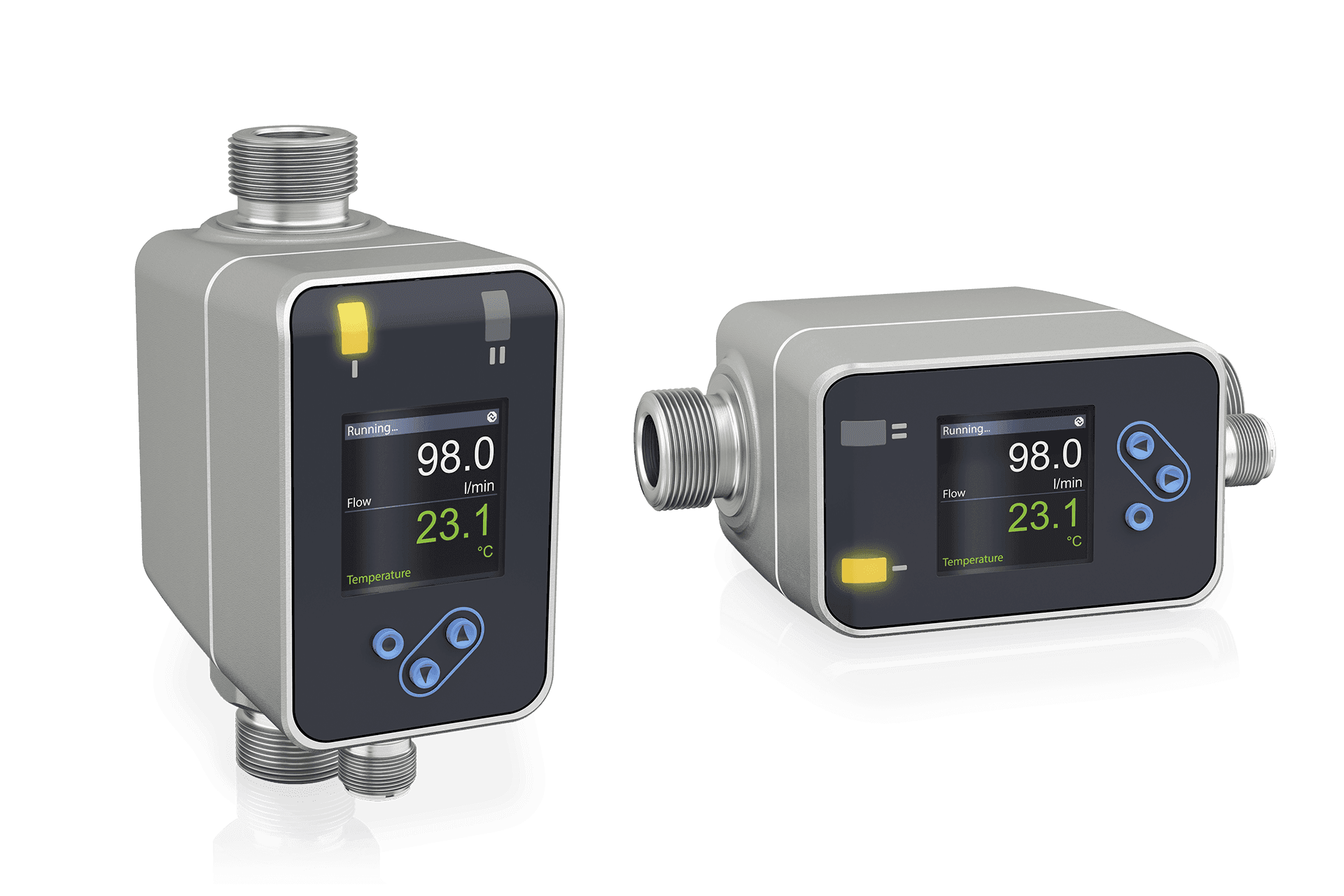
The custody-transfer package is built around Coriolis, ultrasonic or differential-pressure flowmeters, together with analyzers, flow computers and validation software. In a market where nameplate capacity gets most of the attention, that stack is what keeps production numbers defensible, supports inventory reconciliation and helps operators verify that the plant is making what it thinks it is making.
KROHNE also highlights robust straight-tube Coriolis mass flowmeters and ceramic pressure transmitters for abrasive feedstocks. That is a useful signal for developers working with difficult inputs, because feedstock variability is not an edge case in advanced biofuels, it is the operating environment.
Why certification makes measurement commercial
Measurement quality is not just an operations issue, it is a certification issue. ASTM D7566 governs SAF certification at batch origination, and once a batch meets that specification and is released, it can be treated as ASTM D1655 jet fuel. That makes traceable production data part of the fuel’s commercial value, not a technical afterthought.
For SAF plants, the consequence is straightforward: inaccurate flow data, weak validation or poor process visibility can complicate mass balance, slow release and undermine the records needed to move fuel through the certification chain. Better instrumentation can reduce downtime and improve the consistency of the data trail that supports compliance and saleable output.
Policy is forcing scale, but not simplifying it
The market backdrop is still policy-driven. The European Commission says ReFuelEU Aviation is part of the Fit for 55 package and is intended as a major tool to cut aviation CO2 emissions. EASA says the regime creates harmonized obligations for fuel suppliers and starts minimum SAF supply requirements in 2025.
ICAO’s CORSIA framework adds another layer of pressure, with its first phase beginning on January 1, 2024. The result is a compliance environment where production data, traceability and custody transfer are becoming inseparable from market access.
The policy pull is arriving before the sector has fully industrialized. ICAO said that as of July 2023, 11 SAF conversion processes had been approved and 11 more were under evaluation, which shows how many production pathways are still moving through the qualification pipeline even as commercial projects come online.
The market is still tiny, which raises the stakes
IATA’s numbers show how early the sector remains. The association said SAF accounted for 0.3% of global jet fuel production in 2024, and it projected 2025 output at 2.1 million tonnes, or 0.7% of total jet fuel production. Those figures are small enough that any plant outage, off-spec batch or custody dispute can ripple through a market that is still short on volume.
That is why Yannick Farine at KROHNE described SAF as a policy-driven market in early scale-up. The point is not just that demand is growing, but that scaling is happening before the supply chain has standardized around a single feedstock or conversion route. In that kind of market, the instrumentation layer becomes part of the business model.
What scalable plants need to get right
The practical lesson is that renewable fuels plants need the same engineering discipline long associated with refineries and petrochemical assets. In a process environment that spans pretreatment, conversion and downstream refining, the measurement system has to do more than record a number, it has to survive the process and prove the number.
The most relevant priorities are clear:
- Accurate flow measurement for changing feedstocks and product slates.
- Pressure and temperature monitoring on conversion units and hydrogen service.
- Analyzer coverage to flag contamination and support product quality.
- Custody-transfer systems that reconcile methanol, biojet, biodiesel and renewable diesel volumes.
- Validation software that keeps batch data and settlement data aligned.
As the market moves from pilot and first-wave projects into larger commercial plants, the business constraint is shifting from whether the chemistry works to whether the plant can measure, certify and settle production with refinery-grade discipline. In that sense, the invisible infrastructure is no longer invisible, it is the difference between a functioning fuel business and a nameplate capacity claim.
This article was produced by Prism’s automated news system from verified source data, official records, and press releases, then run through automated quality and moderation checks before publishing. The system is built and supervised by the people who set the standards it runs under. Read our full AI policy.
Did this article answer your question?