Louis Dreyfus Company to build sunflower and soybean plant in Argentina
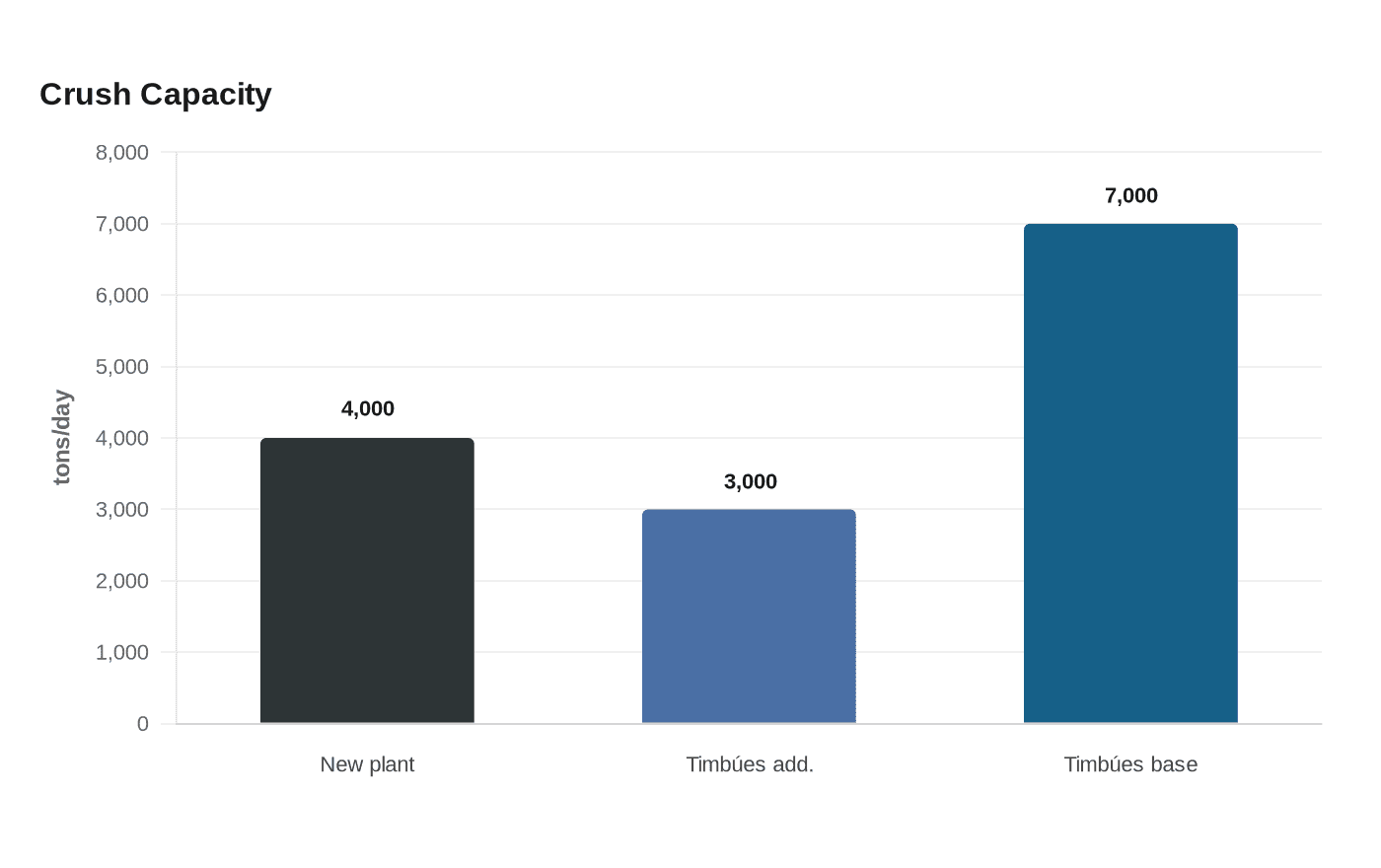
LDC is spending about US$400 million on a Bahía Blanca crush plant that can handle up to 4,000 tons a day. The move deepens Argentina’s feedstock base for biodiesel and renewable diesel.
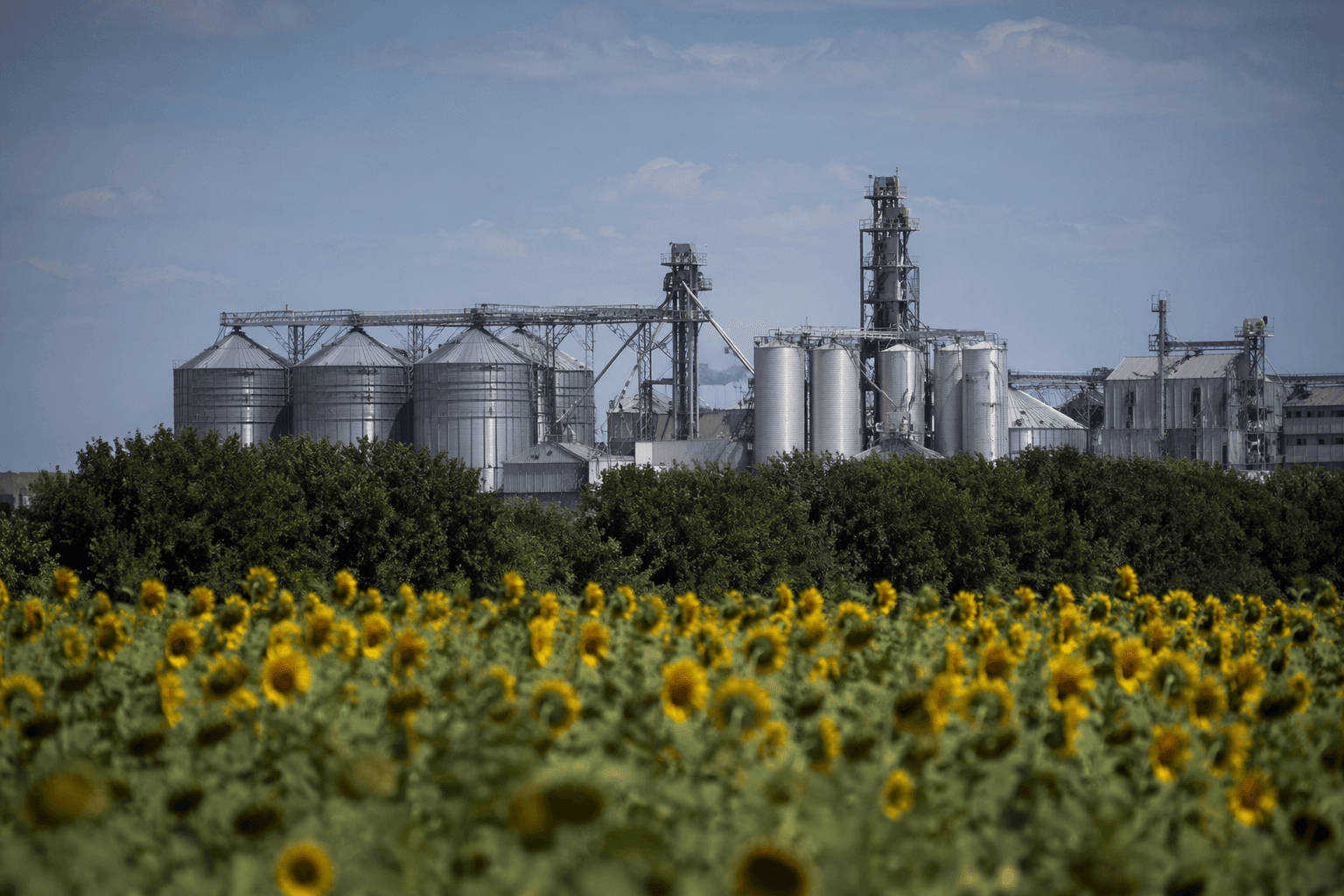
Louis Dreyfus Company on June 8 said it will build a new sunflower seed and soybean processing plant at its existing Bahía Blanca facility in Buenos Aires Province, a roughly US$400 million investment that is slated to reach up to 4,000 tons a day of crushing capacity. The project ties added oilseed processing to the company’s storage, logistics and deep-water port infrastructure at Bahía Blanca, putting more crop handling and oil extraction capacity directly into a corridor that matters for both food and fuel markets.
The new plant is not a biodiesel unit, but it fits squarely into the feedstock side of the biofuels chain. More local crushing capacity can lift sunflower oil and soybean oil output, improve logistics and create more optionality for downstream buyers in renewable diesel and FAME, especially as processors compete for the same vegetable oil pool. In Argentina, where feedstock availability and export logistics shape margins, an expansion at Bahía Blanca has implications well beyond one industrial site.
LDC said it has been present in Argentina since 1897 and employs more than 1,300 people in the country. The company already has a large oils-and-fats footprint there, including the General Lagos agro-industrial complex in Santa Fe Province, where it operates two soybean-oil biodiesel lines with annual capacity of 600,000 tons, which LDC describes as the world’s largest soy-based biodiesel plant and its leading national biodiesel production and export site. It also started operating a new specialized crushing line at Timbúes on January 29, 2026, a system that can handle up to 3,000 additional tons of high-oil-content oilseeds a day during lower seasonal activity alongside its usual 7,000-ton-a-day soybean crush.
Bahía Blanca itself gives LDC a built-in logistics edge. The company says the site includes a grain storage and elevation facility with about 120,000 tons of storage capacity, along with deep-water port access that can support exports of meal and oil. That makes the investment look less like a standalone biofuels bet than a broader ag-processing move with fuel-market upside, especially as USDA and FAS data point to expanding sunflower acreage in Argentina while soybean production is forecast to fall from last year’s 49 million metric tons and sunflower output was pegged at 4 million tons for MY 2024/25.
This article was produced by Prism’s automated news system from verified source data, official records, and press releases, then run through automated quality and moderation checks before publishing. The system is built and supervised by the people who set the standards it runs under. Read our full AI policy.
Did this article answer your question?