Loyola biodiesel lab turns used cooking oil into shuttle fuel
Loyola’s biodiesel lab turns about 9,000 gallons of waste oil into 8,000 gallons of shuttle fuel a year, while training students on the full production chain.

Loyola University Chicago’s Searle Biodiesel Lab turns about 9,000 gallons of used or expired cooking oil into roughly 8,000 gallons of biodiesel a year for its eight shuttle buses. The Rogers Park facility also makes about 1,500 gallons of hand soap from glycerin, giving students a working model of a circular fuel-and-products loop.
The lab’s feedstock comes from Loyola dining halls and other Chicago sources, including local restaurants, museums and institutions such as the Art Institute of Chicago and Shedd Aquarium. Loyola also accepts public donations of liquid vegetable oil, but not lard, pan drippings, petroleum products or oil sealed in plastic bags. Zach Waickman, who was involved as a Loyola student in the 2007 Solutions to Environmental Problems course project that started the program, was hired in 2008 to expand it into a larger education effort. The facility was built in 2013 and officially named in October 2014.
Inside the lab, students work across the entire chain, collecting oil, making biodiesel, handling waste streams, marketing products and developing new uses for byproducts. Loyola says undergraduate and graduate interns are involved in day-to-day operations, and the facility includes biodiesel-processing equipment, methanol recovery, soap production and a chemical analytics lab for quality testing. That hands-on structure is the point: students do not just hear about low-carbon fuel systems, they see fryer oil become shuttle fuel and glycerin become campus soap.
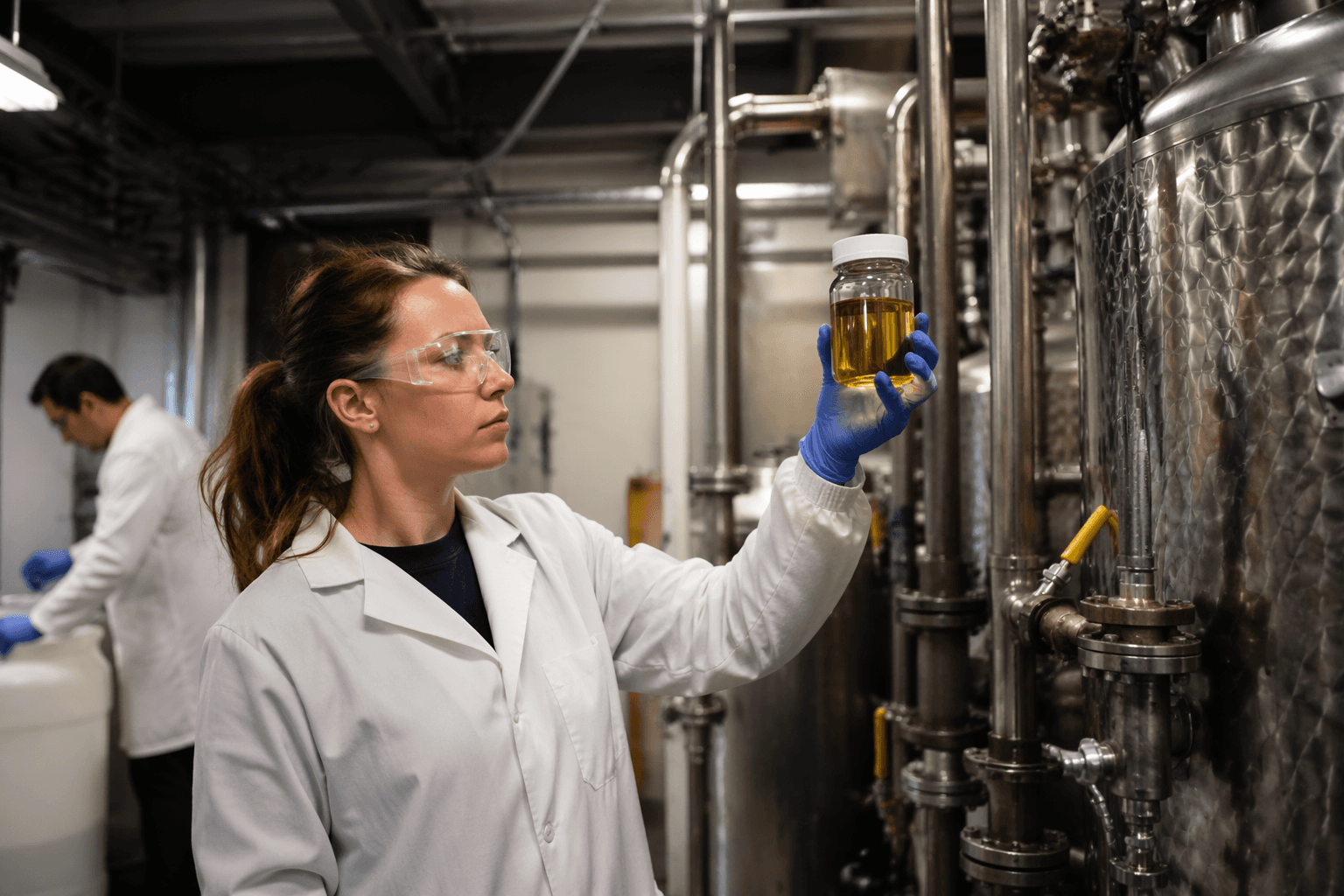
Waickman says the fuel can cut particulate pollution and carbon emissions versus regular diesel, and the university frames the lab as a zero-waste circular economy operation. Loyola’s sustainability office said the program also produced hand sanitizer for campus use during the early stages of the COVID-19 pandemic, showing how the same processing setup can shift to another campus need when conditions change. The university said the lab has also helped fund student workers through byproducts such as BioSoap, which Loyola buys in volumes of about 1,200 gallons a year for campus use.
The biodiesel program now sits inside a broader sustainability portfolio that reached a milestone in December 2024, when Loyola said it achieved carbon neutrality across its campuses, becoming the first Chicago-area university to do so. But the lab’s strongest value remains practical: it gives students direct experience with feedstock handling, process control and product testing, the kind of skills that translate from a campus lab to a commercial renewable fuels operation.
This article was produced by Prism’s automated news system from verified source data, official records, and press releases, then run through automated quality and moderation checks before publishing. The system is built and supervised by the people who set the standards it runs under. Read our full AI policy.
Did this article answer your question?