Malaysia and South Korea boost biogas cooperation in Kuala Lumpur
Malaysia and South Korea signed a biogas MoU in Kuala Lumpur, building on a RM700 million POME plan that targets more than 20 facilities.
Bioeconomy Corporation and Korea Environment Corporation on June 15 signed an MoU at a Kuala Lumpur biogas workshop to expand sustainable bioenergy cooperation.
The Biogas Towards Carbon Neutrality Workshop was held at the Pullman Kuala Lumpur City Centre Hotel and was officiated by Malaysia’s Minister of Science, Technology and Innovation, Datuk Chang Lih Kang. Bernama reported that officials, researchers, international organisations and private-sector representatives from both countries attended the session, which was framed around biogas, greenhouse-gas reduction and carbon neutrality.
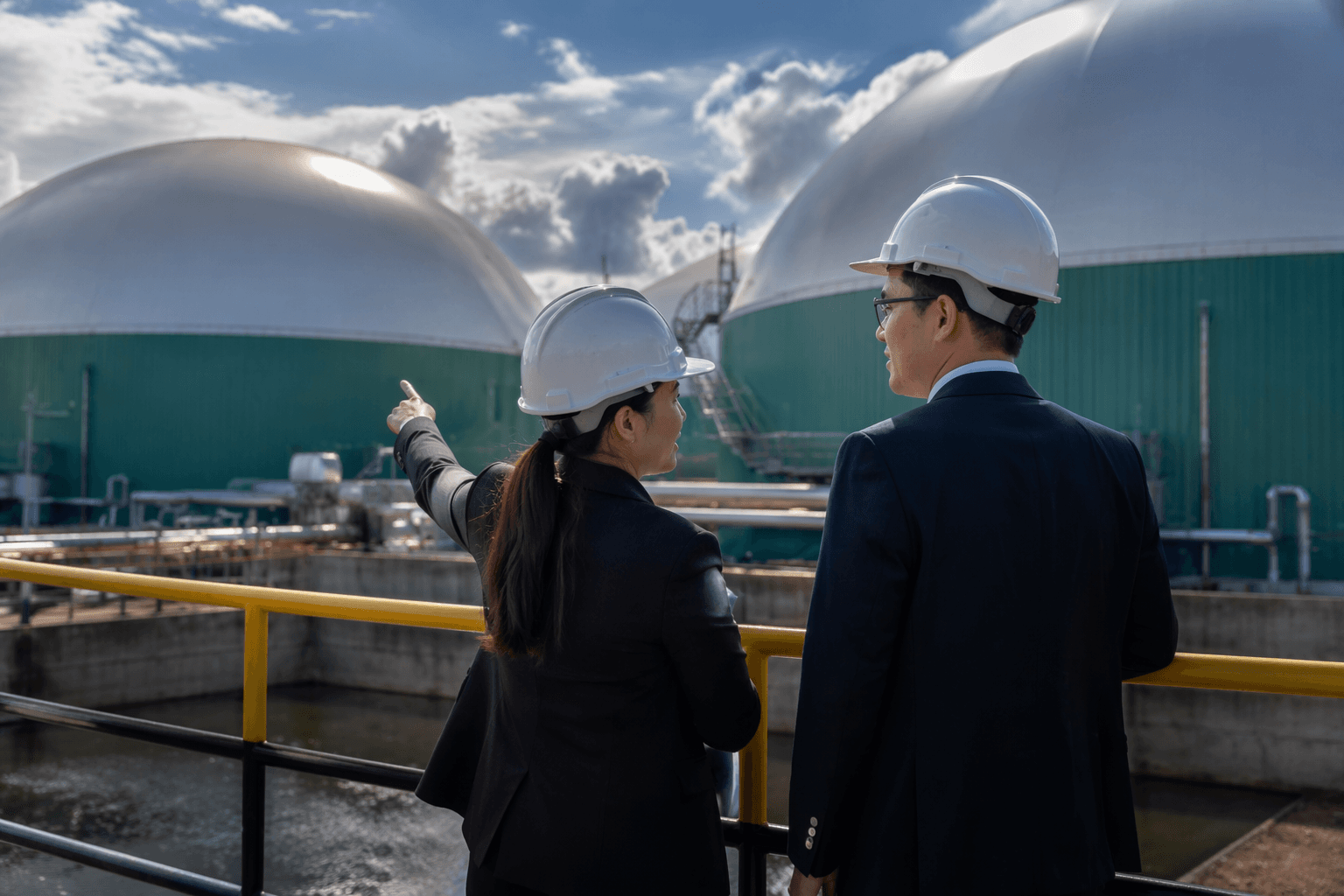
The memorandum was signed by Bioeconomy Corporation chief executive Mohd Khairul Fidzal Abdul Razak and Korea Environment Corporation director general Seo Seung-Myeong, with Chang Lih Kang witnessing the exchange. The agreement covers knowledge sharing, technical collaboration, policy exchange, capacity building, project development, research, innovation and sustainable bioenergy promotion, a structure that points to more than ceremonial cooperation.
The Kuala Lumpur meeting fit into a longer policy track. In 2023, Malaysia said it was preparing a Solid Waste Blueprint built around circular-economy principles and a net-zero-by-2050 goal. In the same period, the Korean embassy and Korea Environment Corporation co-organised a carbon-neutrality and circular-economy workshop, and South Korean Ambassador Yeo Seung Bae said Seoul had launched the ASEAN-ROK Methane Action, or PARMA, in July 2023 to match ASEAN methane-reduction needs with Korean know-how and resources.
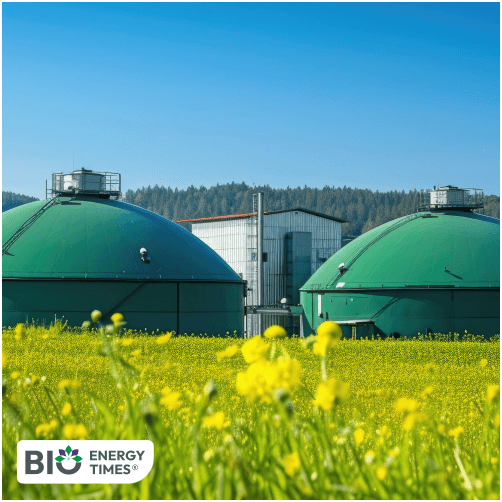
The commercial case is already visible in palm oil mill effluent. On October 6, 2025, Bioeconomy Corporation and South Korea-based Polaris Bio signed an RM700 million investment plan for POME-based biogas upgrading facilities in Malaysia. That package started with an initial RM30 million facility, aimed to build more than 20 facilities and was projected to reduce up to 384,000 tonnes of carbon dioxide equivalent a year. Bioeconomy Corporation said the projects would convert POME into Bio-CNG, biomethane, green chemicals and tradable carbon credits under Article 6.2 of the Paris Agreement, while Polaris Bio said it had been active in Malaysia’s POME-to-Bio-CNG initiatives since 2020.
Taken together, the workshop and the earlier investment plan show a corridor that is moving from policy alignment toward project delivery. The next hurdle is whether the MoU can turn technology transfer and regulatory cooperation into financeable biogas assets tied to measurable methane cuts.
This article was produced by Prism’s automated news system from verified source data, official records, and press releases, then run through automated quality and moderation checks before publishing. The system is built and supervised by the people who set the standards it runs under. Read our full AI policy.
Did this article answer your question?