NYK launches one-year B100 biofuel trial on car carrier
NYK started a one-year B100 trial on an operated car carrier, building on a B24 test that logged 2,888 main-engine hours with no adverse impact.
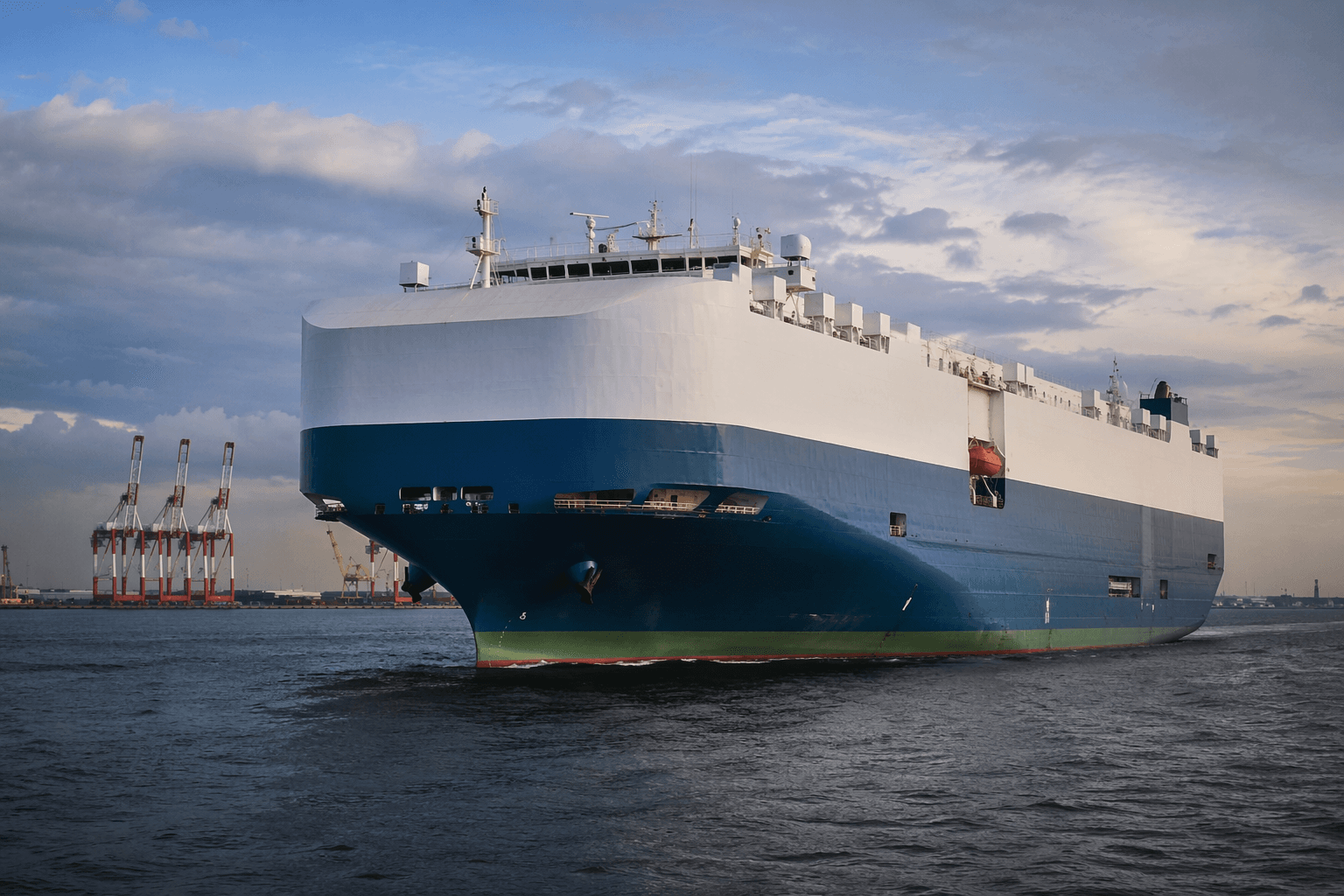
NYK on June 2 started a one-year continuous-use B100 trial on one operated car carrier, putting 100% biofuel into normal service rather than a controlled blend test. The fuel is mainly FAME derived from used cooking oil and similar feedstocks, and NYK will track engine behavior, fuel supply systems and daily operating practices.
The trial matters because pure biofuel poses different risks from lower blends. NYK said it had already moved from a 2024 B24 test to practical use of B30, but long-term operating data for continuous B100 use remain limited globally. By running the fuel for a full year at sea, NYK is trying to learn whether existing ship engines and fuel systems can tolerate the effects of oxygen, heat and light on fuel stability without creating maintenance or safety problems.
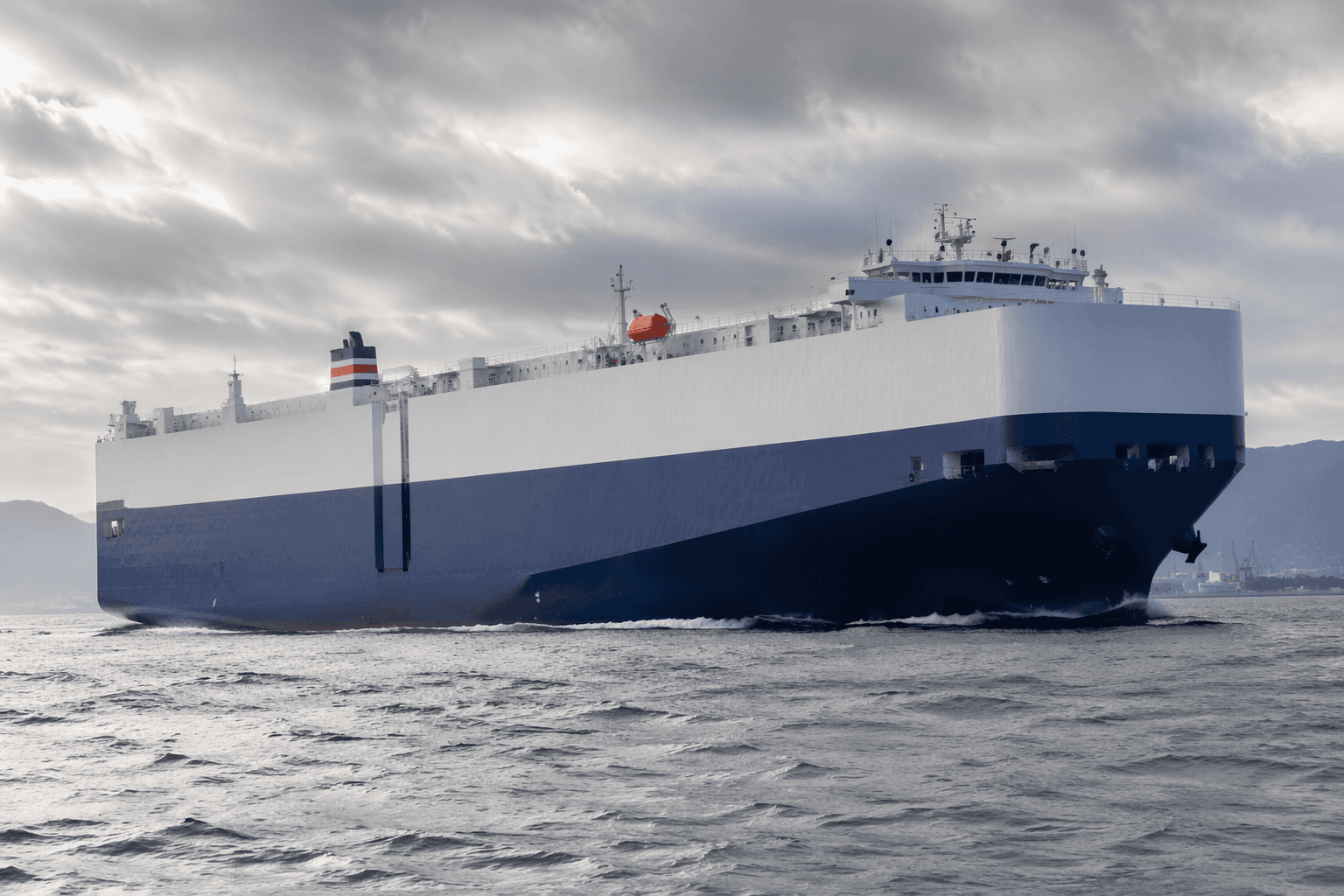
The new run builds directly on Project LOTUS, which NYK and the Global Centre for Maritime Decarbonisation launched on May 9, 2024. That six-month trial aboard a pure car and truck carrier used a B24 blend made from 24% used-cooking-oil-derived FAME and VLSFO, and it generated 94 fuel samples and 91 lubricating-oil samples. The main and generator engines ran for 2,888 and 1,813 hours, respectively, with no adverse impact on engine performance or the fuel delivery system. GCMD also said the fuel stayed within ISO 8217 specifications after six months of storage, even though acid value rose 2.5-fold.
NYK has framed the B100 trial as part of a broader decarbonization plan. Its Decarbonization Story, released in November 2023, targets a 45% cut in Scope 1 and 2 emissions by 2030 from FY2021 levels and net-zero Scope 1, 2 and 3 emissions by 2050. The carrier has also linked its fuel strategy to LNG-fueled vessels, bio-LNG, ammonia work and carbon-dioxide-removal credits for residual emissions. NYK said in May it plans to issue its sixth transition bond in mid-June 2026, underscoring that it is still financing low-carbon fleet upgrades.
For shipping operators, the practical test is whether B100 can move from a trial vessel to a repeatable fleet option. The International Maritime Organization’s 2025 biofuels material points to feedstock scarcity and supply infrastructure as the main constraints, while DNV has said FAME and HVO can work as drop-in fuels but require technical and operational care. If NYK can show stable performance over a full year, the case for waste-based marine fuels will be stronger at a time when operators are looking for near-term options that fit existing engines and bunkering systems.
This article was produced by Prism’s automated news system from verified source data, official records, and press releases, then run through automated quality and moderation checks before publishing. The system is built and supervised by the people who set the standards it runs under. Read our full AI policy.
Did this article answer your question?