Palm oil market to reach $105.15 billion by 2032 on sustainability rules
Palm oil was valued at $77.42 billion in 2025 and is forecast at $105.15 billion by 2032, even as B40, RSPO certification and EU deforestation rules squeeze supply.

Maximize Market Research valued the palm oil market at $77.42 billion in 2025 and projected it will reach $105.15 billion by 2032 as sustainability rules tighten. The growth case now runs through food demand, biodiesel mandates and traceability requirements at the same time.
The European Commission says palm oil is among the commodities most linked to deforestation, and its Deforestation Regulation is designed to keep EU consumption from driving forest loss while cutting related emissions by at least 32 million tonnes a year. The rule applies from 30 December 2026 for large and medium companies, forcing more proof on land use, sourcing and chain-of-custody for palm oil and related products.
Certification is already a material part of the trade. The Roundtable on Sustainable Palm Oil said in its ACOP 2024 results that members accounted for 39% of global palm oil production in 2024, or 31.4 million metric tons, and that 16.2 million metric tons, or 20.1% of member output, was certified as Certified Sustainable Palm Oil. For refiners and fuel producers, that certified pool is one of the few places where compliance, volume and market access overlap.
Indonesia’s B40 mandate has pulled even more palm oil into the fuel balance. The program started on 1 January 2025 and raised palm-oil content in biodiesel from 35% to 40%, tightening export availability and lifting the importance of domestic blending demand. USDA later cut Indonesia’s 2024/25 palm oil export estimate to 22.8 million metric tons because of the B40 mandate and weaker export demand, while projecting production at 47 million metric tons in 2025/26, up 3% from 45.5 million metric tons in 2024/25.
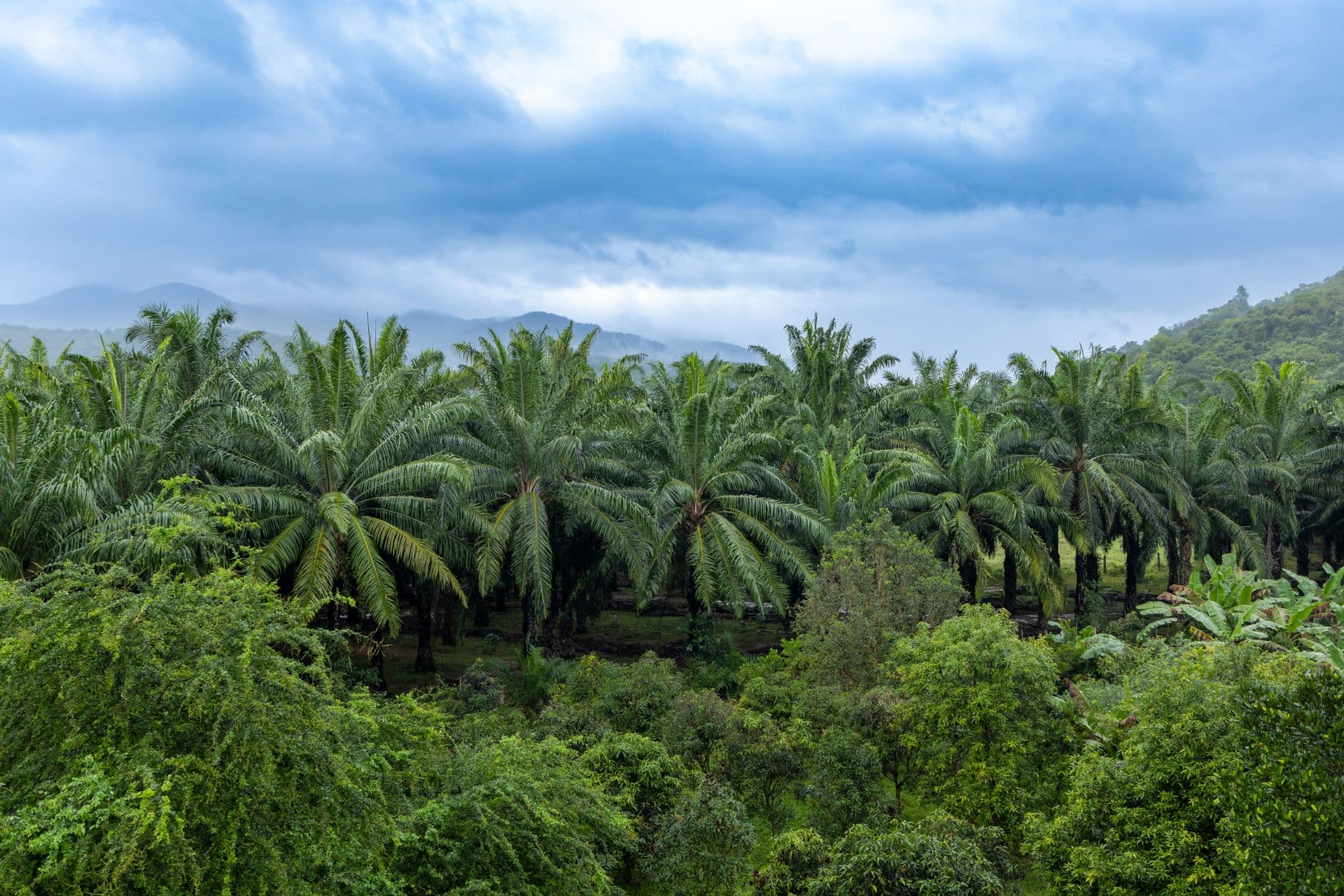
That tension is the core of the market story for biofuels buyers. More palm oil can mean more feedstock for renewable diesel and SAF, but the same volume carries higher scrutiny over deforestation, indirect land-use change and trade compliance. The WTO dispute over EU palm-oil biodiesel rules remains a live backdrop, with Brussels maintaining that food and feed crop biofuels can raise greenhouse gas emissions through land-use change.
Waste-derived palm streams are also drawing attention. S&P Global Commodity Insights said Asian palm oil mill effluent prices were up 50% by mid-December 2024 from the start of 2024, showing how quickly low-carbon fuel markets can pull value into byproducts that once sat lower on the chain. The market’s rise to $105.15 billion by 2032 will depend on how much of that growth can clear sustainability rules without losing access to fuel and food buyers.
This article was produced by Prism’s automated news system from verified source data, official records, and press releases, then run through automated quality and moderation checks before publishing. The system is built and supervised by the people who set the standards it runs under. Read our full AI policy.
Did this article answer your question?