Panama Canal shifts open new freight opportunities for U.S. ethanol
Panama’s LoTSA 2.5 and new port plans could tighten the freight edge for ethanol shippers. The biggest payoff may come from carriers that convert canal access into cleaner marine-fuel demand.
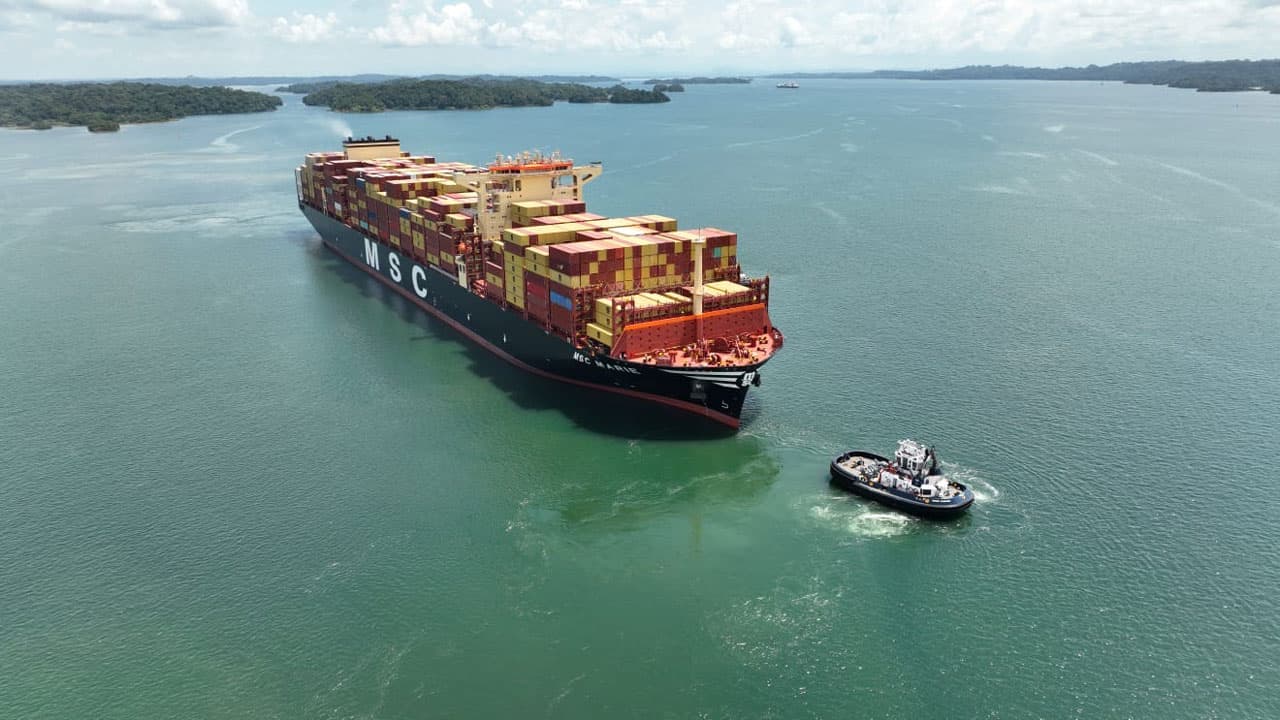
The Panama Canal Authority on March 27 rolled out LoTSA 2.5, and on January 30 it advanced prequalification documents for an approximately 76-kilometre energy corridor pipeline plus container port terminals on the Atlantic and Pacific coasts. Those moves matter to ethanol because the canal is no longer just a shortcut between oceans, it is becoming a scheduling and infrastructure variable that can change who moves first, who pays up for slot certainty, and which exporters are best positioned to serve Pacific-side buyers and new marine-fuel demand.
Canal access is becoming part of the pricing equation
The most immediate freight implication is not a new route map, it is tighter control over timing. The Panama Canal Authority said the canal recorded higher transits and tonnage in the first half of Fiscal Year 2026, while demand for its reservation system also increased. That combination points to a market where capacity discipline matters as much as geography, and shippers that can plan around canal slots are likely to protect freight economics better than rivals chasing spot space.
LoTSA 2.5 reinforces that direction. Long-term slot allocation is designed to reward planning, and for ethanol exporters that can anchor volumes early, the payoff is more predictable sailings, lower disruption risk and fewer surprise demurrage costs. For buyers in tight import programs, that reliability can matter as much as headline freight rates.
U.S. ethanol already has the volume to justify new logistics bets
The freight case is stronger because export demand is already large enough to support route innovation. USDA’s Economic Research Service said the United States exported a record 2.13 billion gallons of fuel ethanol in marketing year 2024/25, and USDA also said export value reached about $4.8 billion in 2025. Through the first five months of marketing year 2025/26, U.S. ethanol exports were running 7% ahead of the same period a year earlier.
That base load gives traders room to test canal-linked flows without depending on a single destination. USDA said Canada was the top destination for U.S. ethanol in 2023/24, which shows how important North American demand remains, but it also underlines why overseas freight optionality matters. When the traditional market is already strong, the next increment of growth often comes from better logistics, not just more supply.
Panama is both corridor and customer
Panama’s role is larger than transit. USDA’s Foreign Agricultural Service estimated U.S. agricultural and related product exports to Panama at about $942.6 million in 2024, a reminder that the country is a meaningful commercial market in its own right, not only a passageway. For ethanol sellers, that creates a two-track opportunity: use Panama as a freight corridor to reach Pacific-side buyers more efficiently, and evaluate Panama itself as a destination market tied to broader energy and maritime activity.
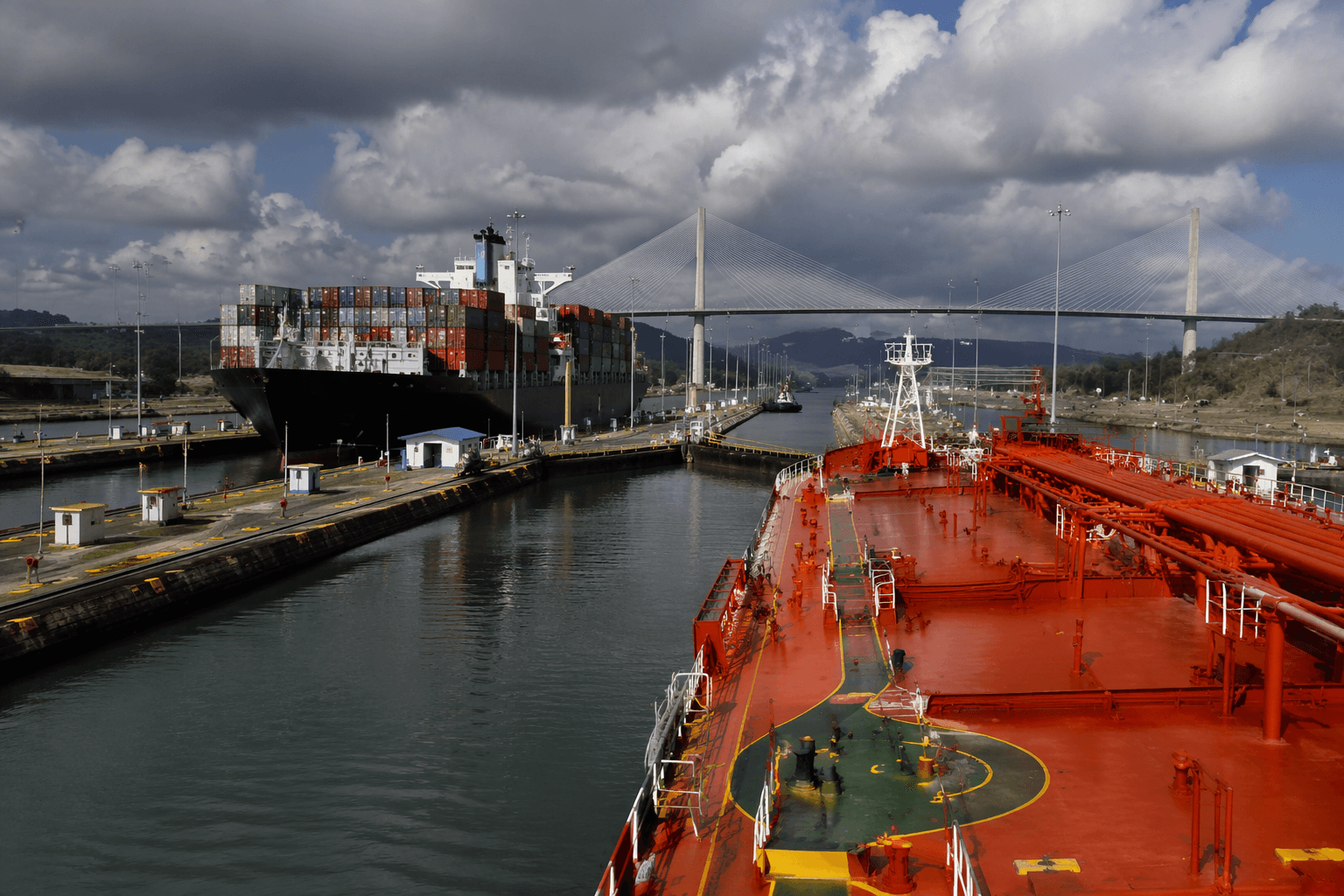
That matters because the canal’s infrastructure plans suggest the logistics ecosystem around the waterway may become more integrated. An energy corridor pipeline and container port terminals on both coasts would support more flexible movement of energy products and cargo, which could favor shippers that can pair bulk logistics with terminal access, storage, and fast turnaround. In practice, the winners are likely to be exporters and carriers that can book early, consolidate cargo efficiently and turn canal passage into a dependable schedule rather than a last-minute scramble.
The marine-fuel angle could open a new demand center
The freight story does not stop at ethanol as a transportation fuel. In 2026, the U.S. Grains & BioProducts Council and ethanol stakeholders met with Panama Canal and maritime officials, including the Panama Maritime Chamber, the Panamanian Ministry of the Environment and the Latin America Regional Maritime Technology Cooperation Centre, to discuss ethanol’s possible role in clean marine fuel supply and Panama’s decarbonization plans.
That is commercially important because marine-fuel demand can create a new offtake layer close to the canal itself. If Panama’s shipping and policy community keeps moving toward lower-carbon fuel options, ethanol could gain a foothold not just as an export product moving through the canal, but as part of the bunker-fuel conversation around it. That would favor shippers able to supply consistent volumes to maritime customers, especially those with flexible terminal access and the commercial relationships to serve fuel blenders, port operators and coastal logistics hubs.
For ethanol, the strategic advantage would likely sit with origins that can adapt fastest to canal scheduling and coastal delivery economics. Gulf and Atlantic supply chains with established export infrastructure are better positioned to feed canal-bound cargoes, while Pacific-side destinations and transshipment points could benefit if Panama’s new port and corridor projects reduce friction on the far end. The most competitive transport mode will be the one that matches reservation certainty with the lowest all-in landed cost, not simply the shortest distance.
What to watch next
The key markers are straightforward: how quickly LoTSA 2.5 changes slot economics, whether the energy corridor and terminal plans move from paperwork to construction, and whether canal traffic keeps holding up in transits and tonnage. On the ethanol side, watch whether export growth continues beyond the early 2025/26 pace and whether Panama’s maritime decarbonization discussions turn ethanol from a trade opportunity into a recurring bunker-fuel demand stream.
If those pieces line up, Panama will not just be a shortcut for U.S. ethanol. It will be a freight-market lever, and the exporters that treat it that way will be the first to capture the margin.
This article was produced by Prism’s automated news system from verified source data, official records, and press releases, then run through automated quality and moderation checks before publishing. The system is built and supervised by the people who set the standards it runs under. Read our full AI policy.
Did this article answer your question?