POWERGRID wins Kakinada transmission project for green hydrogen hub
POWERGRID won a Kakinada transmission job on June 12, adding a 765/400 kV GIS substation, STATCOM and 765 kV lines for green hydrogen and green ammonia.

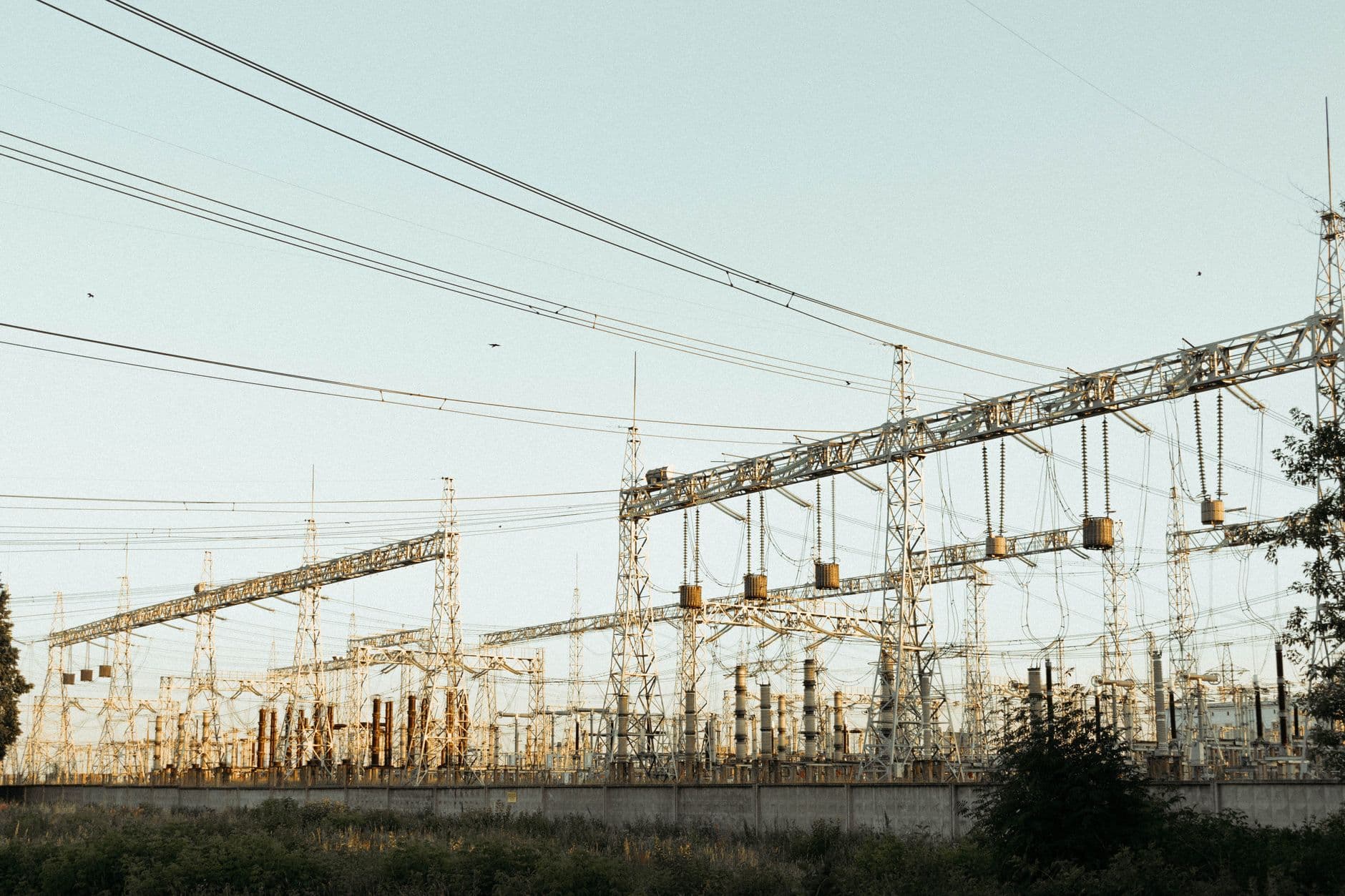
POWERGRID Corporation of India on June 12 won the transmission package for proposed green hydrogen and green ammonia projects in the Kakinada area of Andhra Pradesh, securing a build, own, operate and transfer award that includes a new 765/400 kV gas-insulated substation, a STATCOM and 765 kV line works.
The company said in a stock-exchange filing under Regulation 30 of SEBI’s LODR framework that it had been declared the successful bidder under tariff-based competitive bidding for the inter-state transmission system titled “Transmission system for proposed Green Hydrogen / Green Ammonia projects in Kakinada area (Phase-I).” The letter of intent was received on June 12, 2026. POWERGRID disclosed the award to the BSE and the National Stock Exchange.

The project adds grid hardware before the molecule buildout fully lands. Kakinada has been cast by Andhra Pradesh Chief Minister N. Chandrababu Naidu as India’s “Green Hydrogen Valley,” a label he used in January 2026 when he laid the foundation stone for AM Green’s green hydrogen and green ammonia complex in the area. That project was described as a 15,600-crore facility on a 495-acre campus, and earlier reporting in October 2024 said AM Green’s Kakinada green ammonia plan had reached final investment decision in August 2024.
That earlier design called for a 2 x 1500 tonne-per-day green ammonia complex backed by 2 x 640 MW pressured alkaline electrolysers, underscoring the scale of the industrial load that the Andhra Pradesh grid will need to absorb. The transmission job now handed to POWERGRID suggests the state is moving on the backbone first, with substations, reactive power support and high-voltage corridors arriving alongside the hydrogen and ammonia projects they are meant to serve.
The award also fits Andhra Pradesh’s Integrated Clean Energy Policy, 2024, which the state has used to court green hydrogen and green ammonia investment. For developers, the message is straightforward: production capacity alone will not clear a path to market without an ISTS buildout that can move power and molecules reliably. For India’s low-carbon fuels sector, Kakinada is becoming a test case for whether grid-led infrastructure can keep pace with the next wave of green ammonia, e-fuels and export-oriented fuel projects.
This article was produced by Prism’s automated news system from verified source data, official records, and press releases, then run through automated quality and moderation checks before publishing. The system is built and supervised by the people who set the standards it runs under. Read our full AI policy.
Did this article answer your question?