Rotterdam pilots first ethanol bunkering for sea-going ship
Eco Levant took on a 90-10 biomethanol-ethanol blend in Rotterdam, a first that could widen ethanol’s marine fuel market.
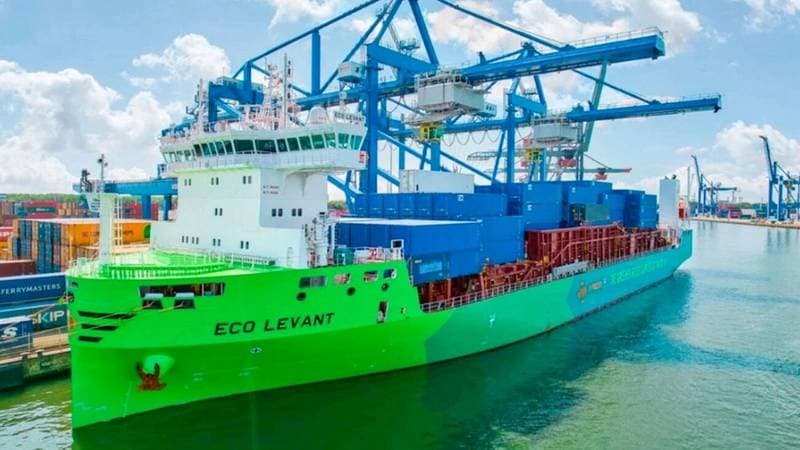
The Port of Rotterdam said Eco Levant took on a 90 percent biomethanol and 10 percent second-generation ethanol blend in May, the first time a bunker vessel supplied ethanol to a sea-going ship in the port and one of the first such operations worldwide.
The vessel, operated by X-Press Feeders, has since been running on a blend made up of ISCC EU-certified biomethanol and ISCC EU-certified ethanol. The port said the fuel was bunkered safely under controlled conditions, a detail that matters for shipowners and suppliers weighing whether ethanol can move beyond road fuel and industrial uses into marine blends.
Industry coverage identified the inland bunker vessel as MTS Experience and said the delivery was carried out as a coordinated trial with alternative-fuel consultancy METHANAVE. The ethanol and methanol were delivered separately by the bunker vessel and then blended on board the receiving ship, rather than arriving as a pre-mixed product. That split delivery points to the operational work still needed to make blended marine fuels practical, from handling and compatibility to safety procedures and on-board fuel management.
The trial took place on May 23, according to some reporting, and came as Rotterdam continues to position itself as a testing ground for alternative marine fuels. Methanol bunkering is already relatively well established in the port, which gave the ethanol trial a ready-made operating framework instead of forcing the parties to build a new logistics chain from scratch. That lowers one of the biggest barriers to marine fuel adoption, since the same bunkering infrastructure, certification practices and port-side procedures can be adapted for another molecule if the blend can be handled cleanly and safely.
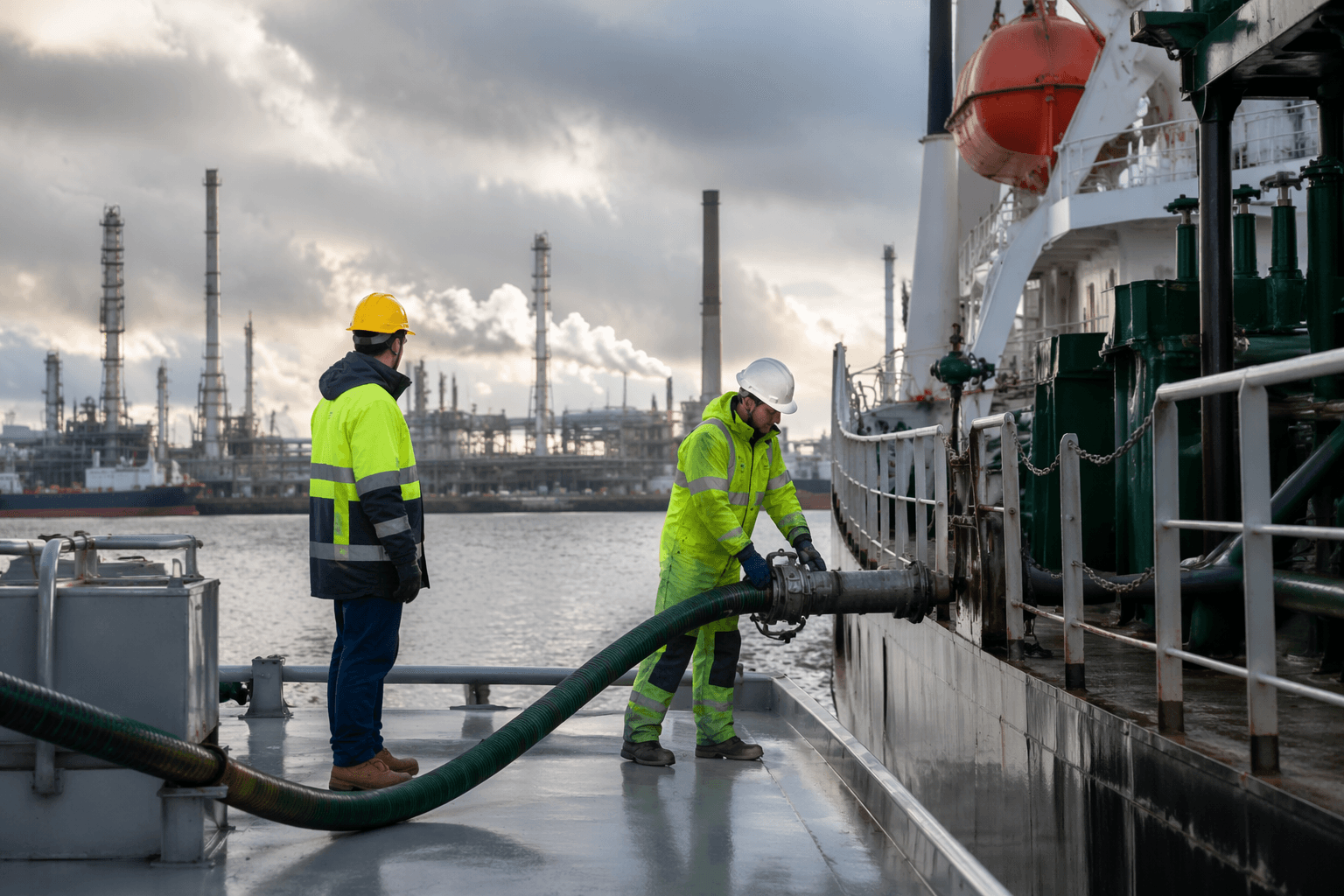
Some coverage identified Eco Levant as a 1,250 TEU container ship that joined the X-Press Feeders fleet in 2024, and described it as a dual-fuel vessel designed to run on green methanol. That matters because the ship was already suited to alternative fuel trials, making ethanol a manageable addition to a methanol-based setup rather than a wholesale change in propulsion strategy.
For the biofuels sector, the pilot suggests ethanol may have a place in marine fuel blends if certification, vessel compatibility and bunkering logistics align. In a market where low-carbon molecules are competing for the same feedstock and infrastructure advantages, Rotterdam’s first ethanol bunkering shows that the marine use case is no longer limited to methanol, ammonia or conventional biofuels.
This article was produced by Prism’s automated news system from verified source data, official records, and press releases, then run through automated quality and moderation checks before publishing. The system is built and supervised by the people who set the standards it runs under. Read our full AI policy.
Did this article answer your question?