Rotterdam terminal launches major biofuels storage project
Rotterdam’s bunker facility launched GreenSTR, a 100,000-cbm buildout for biodiesel, methanol and ethanol near its existing Botlek terminal.
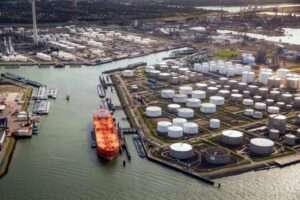
Service Terminals Rotterdam on June 26 started GreenSTR, a biofuels storage project that will add around 100,000 cubic metres at the Port of Rotterdam’s bunker facility. The new tanks will handle biodiesel, methanol and ethanol, and will be built adjacent to STR’s existing 240,000-cbm fuel oil terminal in the Botlek area.
STR said the project “fills the gap of needed infrastructure tailored at the storage and blending of marine fuels,” a clear sign that terminal capacity is becoming as important as fuel supply in Northwest Europe’s low-carbon fuel chain. The facility is also being designed to serve bunker barges, which gives it a direct role in moving marine fuels through one of Europe’s busiest fuel hubs.

Vicoma is serving as the engineering partner on GreenSTR, while Antea will work with STR on permitting. That mix of engineering and regulatory execution points to a project built for operational use, not just storage volume. In practical terms, the added tanks should give STR more room to segregate product streams, manage quality and support blending for customers that need reliable marine and transport fuel logistics.
The project fits the Port of Rotterdam’s wider energy-transition plan. The port says the energy and raw materials transition is a long-term process and that its goal remains a carbon-neutral port by 2050. In its strategy materials, the port says ongoing projects in the energy-transition pillars, together with hydrogen and biofuels production, contribute 23 million tonnes of CO2 reduction. It also says it is working to attract new developments including biofuels as part of its sustainable-development strategy.

For Rotterdam, GreenSTR adds another piece to the infrastructure race now shaping biofuels trade. Producers can make biodiesel, methanol and ethanol, but terminal networks still determine how fast those fuels can be blended, stored and shipped. By expanding storage next to an established fuel oil terminal in Botlek, STR is positioning itself for a market in which marine fuel demand, bunker operations and low-carbon liquid fuels all depend on the same logistical bottlenecks.
This article was produced by Prism’s automated news system from verified source data, official records, and press releases, then run through automated quality and moderation checks before publishing. The system is built and supervised by the people who set the standards it runs under. Read our full AI policy.
Did this article answer your question?