Seaspan, Hapag-Lloyd complete first methanol retrofit on container ship
Seaspan and Hapag-Lloyd finished the first of five methanol retrofits on the 10,100 TEU Seaspan Yangtze, a project tied to about $120 million of upgrades.
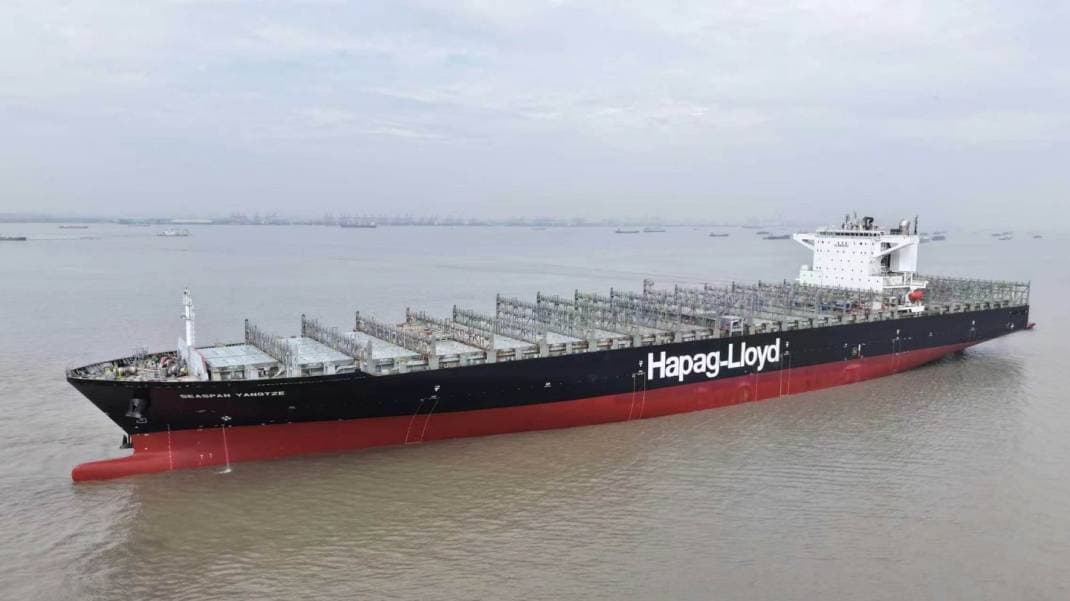
Seaspan Corporation and Hapag-Lloyd on June 3 completed the first of five methanol retrofits in their fleet conversion program, handing over the 10,100 TEU Seaspan Yangtze after upgrading the 2014-built charter vessel from a conventional MAN S90 main engine to a dual-fuel engine capable of running on methanol.
The conversion is the clearest sign yet that methanol retrofits are moving beyond one-off engineering trials. Hapag-Lloyd said the five-ship program is expected to cut well-to-wake carbon dioxide-equivalent emissions by about 30,000 to 50,000 metric tonnes per vessel each year when the ships operate on low-carbon methanol, a scale of reduction that makes the case for upgrading existing tonnage instead of waiting for a newbuild replacement cycle.
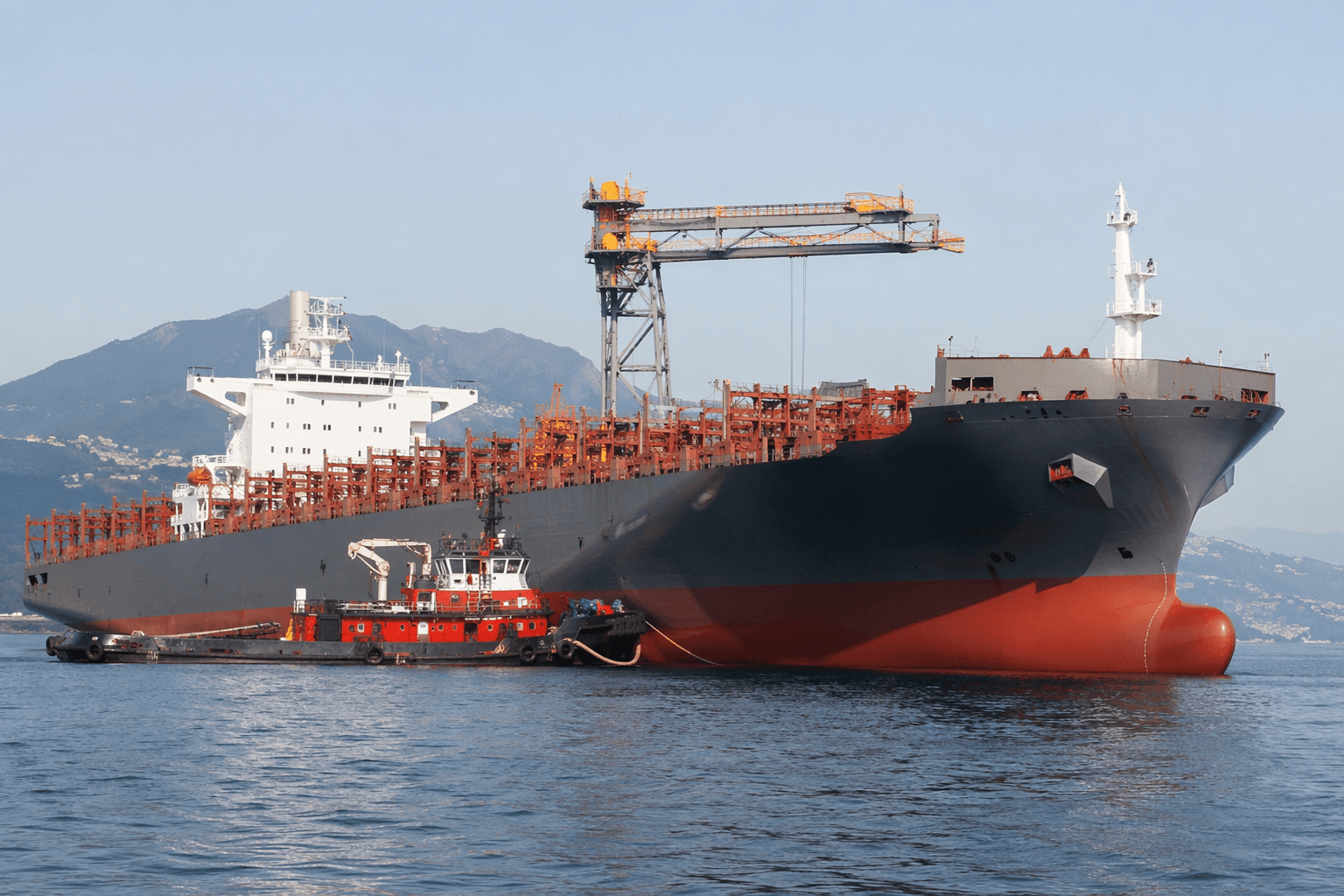
The total investment for all five vessels is estimated at about $120 million. The remaining ships in the program are the Seaspan Amazon, Seaspan Ganges, Seaspan Thames and Seaspan Zambezi, all sister vessels in the same retrofit campaign. The work was completed with Everllence, which was named alongside Seaspan and Hapag-Lloyd in the conversion effort.
Seaspan said the project sits inside its broader Project SAVER CleanBlue decarbonization effort, which evolved from its earlier SAVER program. The company said it has committed more than $230 million across 86 vessels and completed more than 550 efficiency and retrofit projects, a scale that suggests methanol is being folded into a wider operating strategy rather than treated as a standalone technology bet.
For Hapag-Lloyd, the retrofit supports its target of net-zero fleet operations by 2045. The move also underscores the practical tradeoffs facing liner operators, where downtime, capital cost and fuel availability are central to any retrofit decision. By converting an existing 10,100 TEU ship to dual-fuel operation, the carrier and its tonnage partner are betting that methanol can offer enough fuel flexibility and emissions benefit to justify the disruption and expense, while preserving the remaining service life of the asset.
Seaspan said the retrofit shows how existing vessels can be adapted for lower-carbon fuels instead of being replaced outright. If the remaining four vessels follow the Seaspan Yangtze without major delays, the program will provide one of the clearest tests yet of whether methanol conversions can scale across a charter fleet.
This article was produced by Prism’s automated news system from verified source data, official records, and press releases, then run through automated quality and moderation checks before publishing. The system is built and supervised by the people who set the standards it runs under. Read our full AI policy.
Did this article answer your question?