South Korea launches $155 million CO2-to-SAF project
South Korea launched a $155 million CO2-to-SAF and methanol project, with a 2050 goal to replace 10 percent of jet fuel demand.
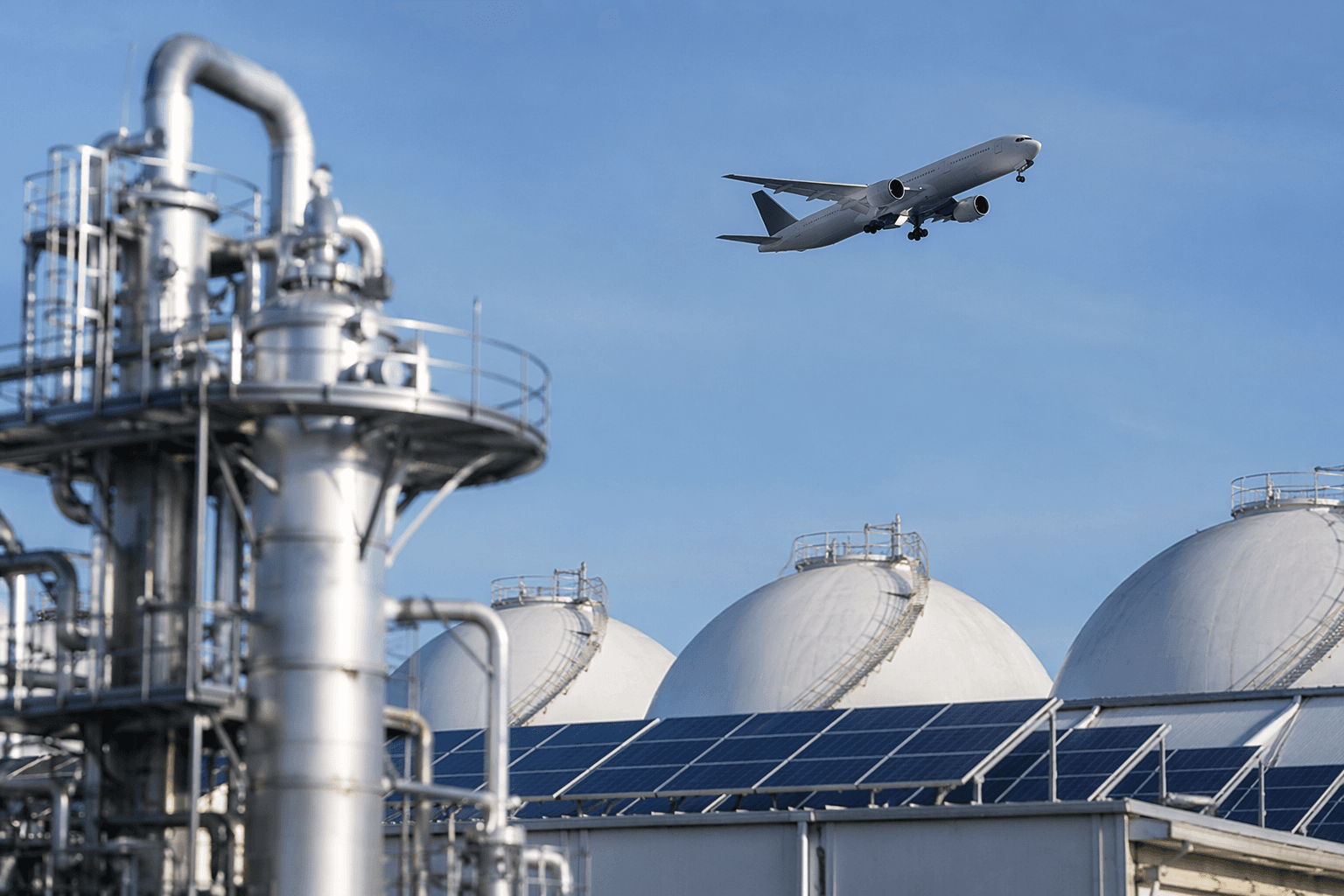
South Korea on June 25 launched a $155 million project to turn industrial carbon dioxide into sustainable aviation fuel and methanol. The program targets replacement of 10 percent of the country’s jet fuel demand by 2050, tying carbon capture, renewable hydrogen and fuel synthesis into one industrial push.
The project is built around carbon capture and utilization rather than conventional liquid-fuel refining. By treating industrial CO2 as an input, not a waste stream, South Korea is betting on a future supply chain that can produce SAF and methanol from the same core feedstock base. That dual-output structure matters for early commercialization, because methanol can provide a separate market while SAF volumes scale.
The timing also tracks with the feedstock squeeze facing bio-based SAF. Argus Media has projected global jet fuel demand will rise by around 50 percent by 2050, while noting that renewable feedstocks such as used cooking oil are finite. That is why e-SAF, made directly from hydrogen and carbon dioxide molecules, is moving from a laboratory concept into industrial planning in several markets. South Korea’s project adds another signal that captured carbon and low-carbon hydrogen are no longer being framed only as climate inputs, but as part of a fuel platform.
The June announcement fits a wider South Korean policy arc. Argus Media said in September 2025 that the country released a SAF roadmap and launched an alliance to support implementation. In November 2022, Argus Media reported that Seoul was aiming to boost its hydrogen industry by creating large-scale domestic demand, building infrastructure and establishing a global supply chain. The new CO2-to-SAF project sits squarely inside that longer buildout, linking hydrogen policy, aviation fuel planning and industrial carbon use in one package.
The hard part remains the same across all e-SAF schemes: enough low-carbon power, enough renewable hydrogen and enough captured CO2 to feed commercial-scale synthesis units. South Korea’s 2050 target shows the ambition, but the project’s industrial relevance will rest on how quickly those inputs can be secured and at what cost.
This article was produced by Prism’s automated news system from verified source data, official records, and press releases, then run through automated quality and moderation checks before publishing. The system is built and supervised by the people who set the standards it runs under. Read our full AI policy.
Did this article answer your question?