Study finds 60% sorghum, 40% corn best for D3 RINs
A study found 60% sorghum and 40% corn maximized D3 cellulosic RIN output, a mix that could change feedstock buying and plant margins.

Ethanol Producer Magazine on June 3 highlighted a study that found 60% sorghum or milo and 40% corn produced the best blend for D3 cellulosic RIN generation, a result that could reshape how ethanol plants buy feedstock and price compliance value. For cellulosic producers, the blend matters because small changes in fiber conversion can swing RIN yields, shift margins and alter the credit value earned at the plant.
The February 6 report, titled Corn and Sorghum Cellulosic D3 RIN Study, was sponsored by the Renewable Fuels Foundation, the United Sorghum Checkoff Program and the Kansas Grain Sorghum Commission. IFF handled liquefaction and simultaneous saccharification and fermentation, then Edeniq Inc. ran Intellulose EPA testing and mass-balance conversion calculations across six blend ratios: 100% corn, 80/20 corn/sorghum, 60/40 corn/sorghum, 40/60 corn/sorghum, 20/80 corn/sorghum and 100% sorghum.
The finding gives operators a working benchmark for sorghum use in commercial fermentation. Sorghum carries more raw fiber than corn, which helps explain why the best result did not land at either extreme, but at a majority-sorghum mix that still retained enough corn to preserve process performance under normal fermentation conditions. Outside that range, returns fell off, which makes the result more than a lab exercise, it points to where plants can capture the most D3 value without giving up conversion efficiency.
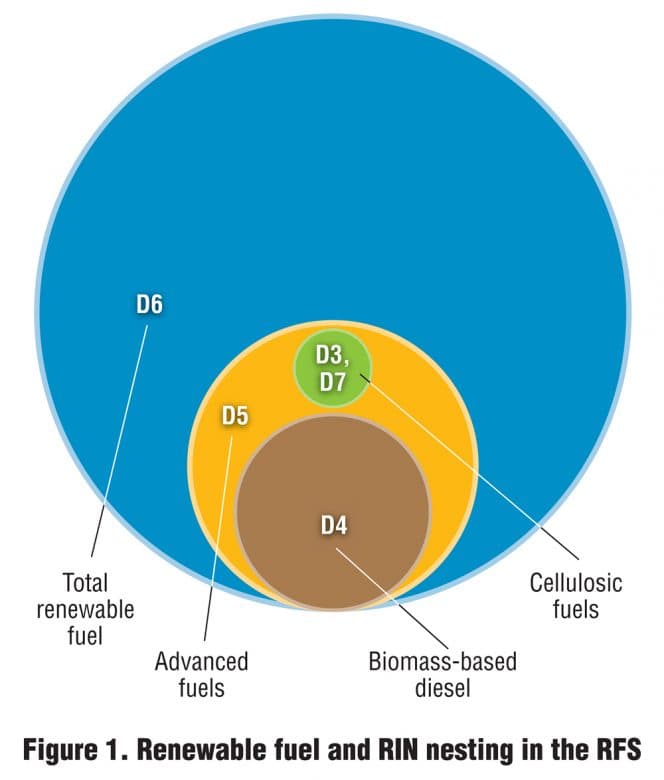
That technical result arrives as the policy backdrop is widening. In August 2025, the U.S. Environmental Protection Agency said facilities could seek an Efficient Producer Petition Process pathway that allows co-production of D code 5 or 6 RINs and D code 3 RINs from corn kernel fiber or a mix of corn and grain sorghum kernel fiber at the same facility. EPA said it had approved EP3 pathways for more than 100 ethanol production facilities and that the guidance superseded March 2024 guidance limited to D code 6 corn starch ethanol and D code 3 corn kernel fiber.

National Sorghum Producers said on March 27 that final Renewable Fuel Standard volumes highlighted opportunities for farmers, underscoring how a better sorghum-corn blend could matter beyond the plant gate. For producers with access to sorghum, the study strengthens the case for feedstock diversification at a moment when every extra D3 RIN can change the economics of the barrel.
This article was produced by Prism’s automated news system from verified source data, official records, and press releases, then run through automated quality and moderation checks before publishing. The system is built and supervised by the people who set the standards it runs under. Read our full AI policy.
Did this article answer your question?