SunGas halts Louisiana bioenergy and low-carbon methanol project
SunGas scrapped a more than $2 billion Louisiana methanol project before FID, after plans for 553,000 metric tons a year.
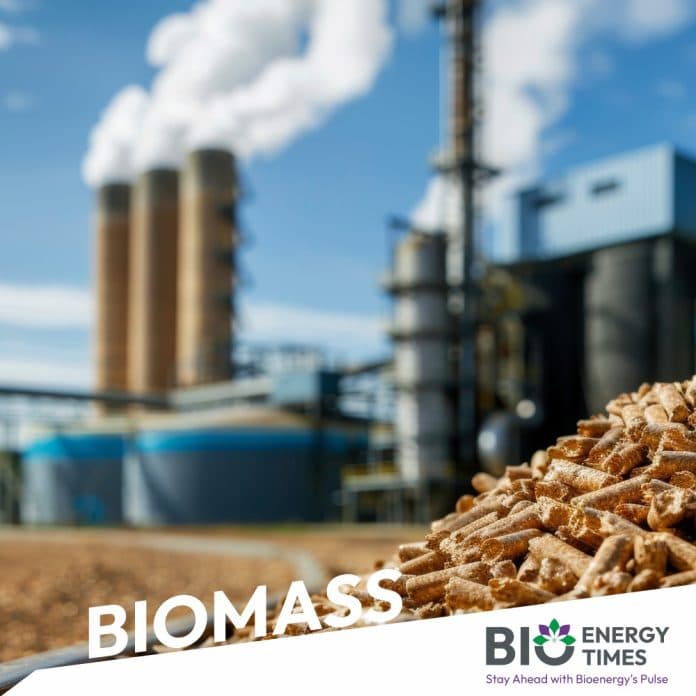
SunGas Renewables on June 12 said it would cease further development of Beaver Lake Biofuels, a more than $2 billion Louisiana methanol project. The planned wood fiber-to-low-carbon methanol plant near Alexandria was built around three SunGas S1000 syngas production systems and downstream conversion equipment. The halt lands before final investment decision on one of the larger advanced biofuels proposals on the Gulf Coast.
Beaver Lake Renewable Energy was formed in 2023 to develop the facility at the former International Paper Pineville Mill site in Rapides Parish, a property Carbon Direct and C2X said in February had been largely vacant since International Paper closed it in 2009. Later industry reporting said the project was designed to produce about 553,000 metric tons of low-carbon methanol a year and store about 1.1 million metric tons of biogenic CO2 annually. Johnson Matthey said the methanol was intended mainly for marine fuel, with possible use in sustainable aviation fuel and chemicals.

Louisiana Economic Development said in 2023 the project could require about $1.8 billion, produce nearly 400,000 metric tons of green methanol a year and create 109 direct jobs. SunGas and project materials later put the investment at more than $2 billion and projected more than 1,150 construction jobs, 400 to 500 indirect jobs and more than 100 permanent operating jobs. SunGas said in May 2025 the project had entered front-end engineering design and was targeting construction in the second half of 2026, with commercial operations originally expected in 2027 or 2028.
In its June 12 statement, SunGas said slower-than-expected market adoption of low-carbon marine fuels, uncertainty around the carbon capture and storage pathway, and unclear regulatory support and financing conditions affected its ability to move ahead on schedule. The company said the project had received support from federal, state and local leaders and community stakeholders, but the financing case never cleared the final hurdle.
SunGas also said it would continue to engage third-party customers interested in deploying its S1000 system, leaving open a technology-sales path even as the integrated project was shelved. The decision came after residents rallied against the plant in Pineville, adding community pushback to the policy and capital risk facing low-carbon fuels projects that still need carbon rules, offtake certainty and financing to line up before construction.
This article was produced by Prism’s automated news system from verified source data, official records, and press releases, then run through automated quality and moderation checks before publishing. The system is built and supervised by the people who set the standards it runs under. Read our full AI policy.
Did this article answer your question?