SunZia wind farm begins operations, becomes largest in the U.S.
SunZia began commercial service with 3,650 MW from 916 turbines, pushing New Mexico wind to 45% of capacity and most output to Arizona and California.
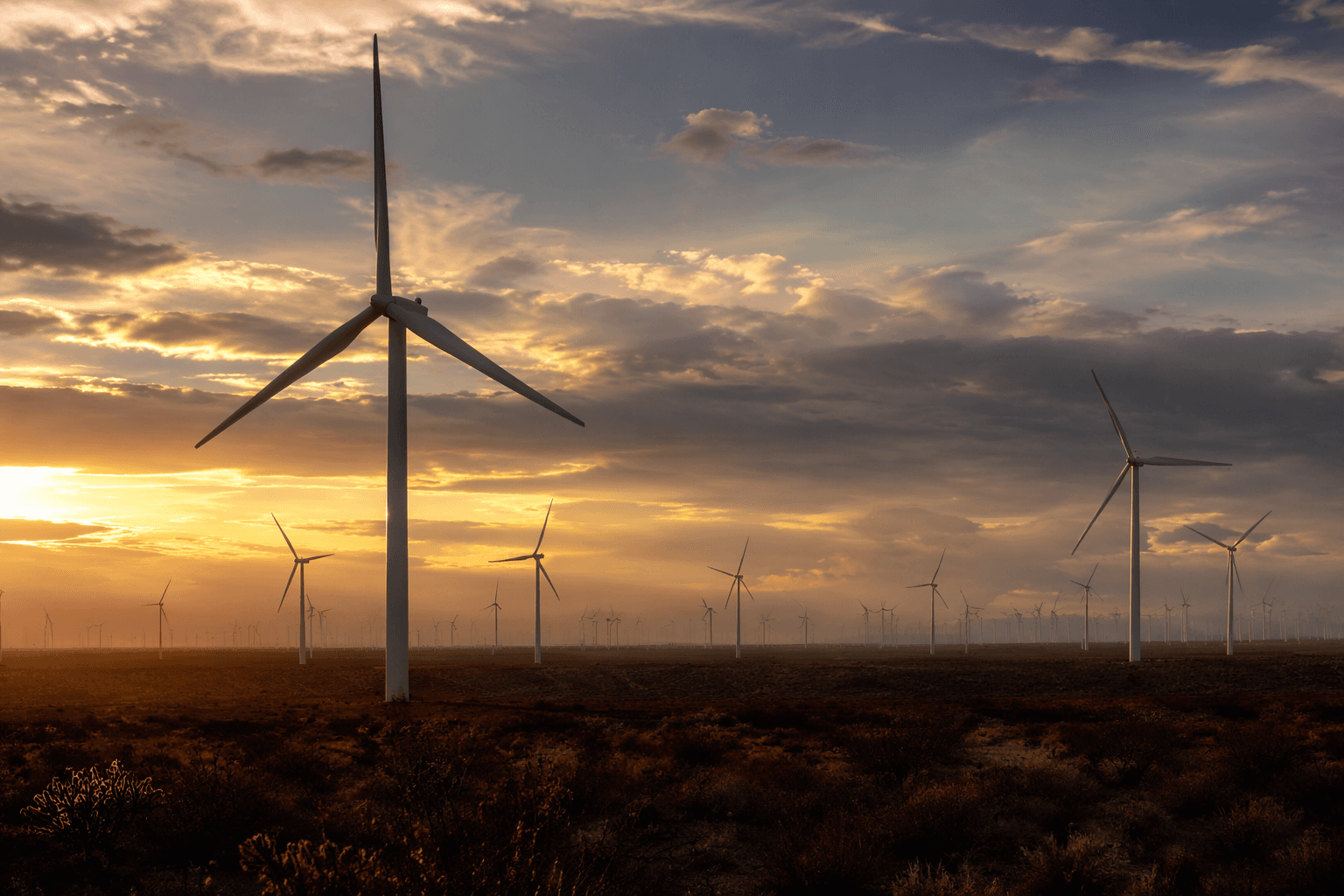
The U.S. Energy Information Administration said SunZia Wind began commercial operations in June, putting 3,650 megawatts of net summer capacity online from 916 turbines and making it the largest wind farm in the United States. EIA said some turbines were already producing power during an April testing phase, while the full project now tops the next two largest U.S. wind farms by more than threefold.
SunZia’s output is tied to a 550-mile, ±525 kV high-voltage direct current transmission line that Pattern Energy says can move 3,000 MW of clean energy from central New Mexico to south-central Arizona, opening access to the California Independent System Operator market. EIA said most of the electricity generated at SunZia will be exported to Arizona and Southern California, a reminder that the project is as much a regional grid asset as a generation build.
The new capacity changes New Mexico’s power mix in a material way. Before SunZia came online, the state had 3,997 MW of net summer wind capacity; with SunZia operating, that rises to 7,647 MW. EIA said wind will account for 45% of New Mexico’s electric capacity mix, ahead of solar and natural gas at 19% each. For utilities and industrial buyers tracking firm clean power, the project adds another large block of intermittent generation tied to long-haul transmission, the kind of infrastructure that can also support future electrofuel and hydrogen projects competing for capital and policy support alongside conventional biofuels.
Pattern Energy has said SunZia Wind and SunZia Transmission together make up the largest clean energy infrastructure project in U.S. history. The company closed $11 billion in non-recourse financing in December 2023 and began full construction then, after nearly two decades in development. Pattern Energy has also said the project will serve roughly 3 million Americans and could generate more than $20 billion in expected economic impacts over 30 years.

The buildout was not without controversy. Tribes and environmental groups challenged the transmission line during the permitting fight, and a federal judge rejected an effort to halt work in April 2024. Pattern Energy said the project created about 2,000 construction jobs at peak buildout, including roughly 500 on the transmission line and 1,500 on the wind farms, before moving into operations this month.
This article was produced by Prism’s automated news system from verified source data, official records, and press releases, then run through automated quality and moderation checks before publishing. The system is built and supervised by the people who set the standards it runs under. Read our full AI policy.
Did this article answer your question?