TITAN project converts biogas into hydrogen and solid carbon
TITAN hit TRL 5 with a microwave route that turned biogas into hydrogen-rich gas and solid carbon, with methane conversion above 85%.
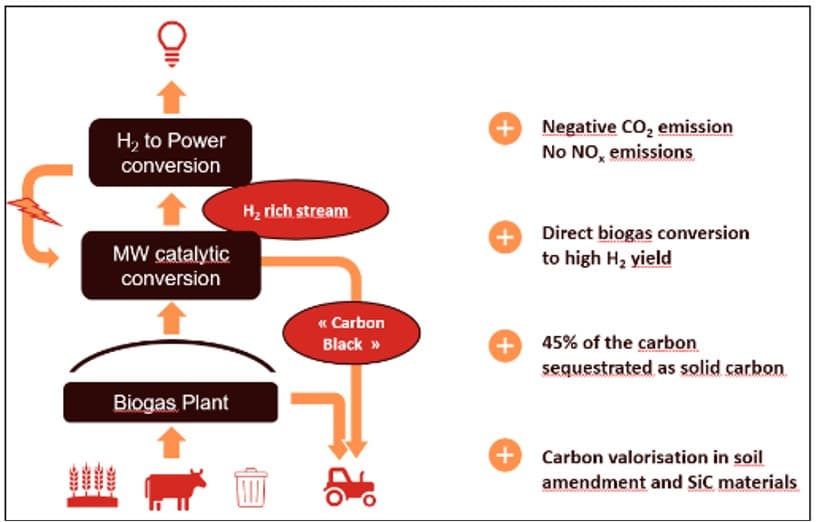
TITAN on June 23 said its microwave biogas cracking route had reached TRL 5, with methane conversion above 85% across repeated cycles. CORDIS lists the four-year Horizon Europe project at €2,998,434 in total cost and EU contribution, with work running from September 1, 2022 to August 31, 2026.
The process matters because it cuts raw biogas, a methane- and CO2-rich stream from biomass waste fermentation, directly into a hydrogen-rich gas and solid carbon in a single integrated system. TITAN’s stated aim is to validate that direct conversion using microwave-heated reactors, a setup that reduces the downstream processing steps usually needed in gas conversion and gives the project a practical edge over more complex pathways in some markets.
That is where the biogas sector intersects with the hydrogen debate. An earlier CORDIS feature on BIOROBURplus noted that biogas comes from agricultural, municipal and food waste, and that decentralized biogas-to-hydrogen systems can support on-site or near-site hydrogen production. TITAN extends that line with a different reactor concept. BIOROBURplus used a direct biogas oxidative steam reformer, while TITAN is pushing microwave heating and split-stream conversion that produces both hydrogen and solid carbon materials.
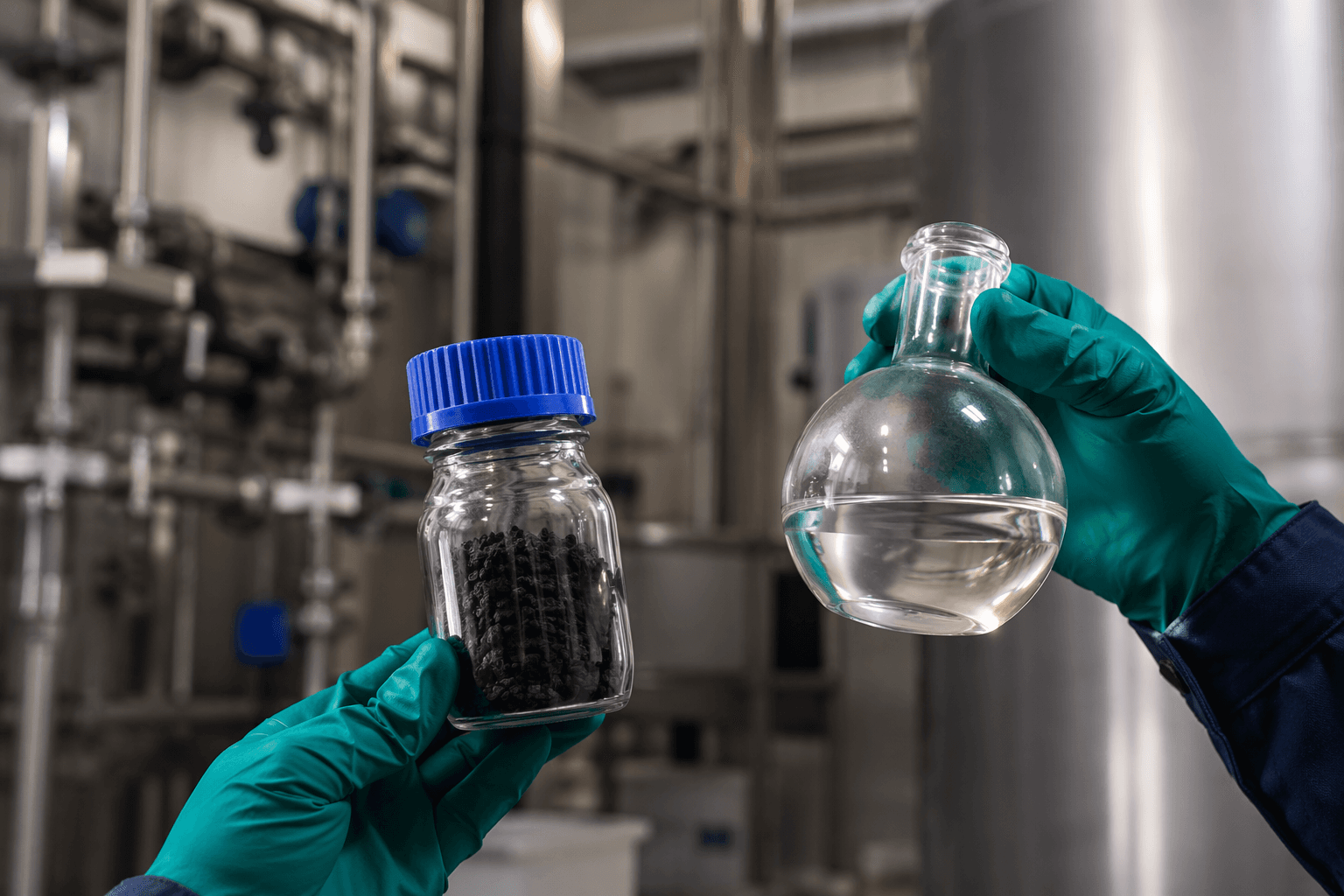
The carbon stream is central to the economics. CORDIS says the project is targeting solid carbon materials that could be further valorised into power, chemicals and fuels, while the European Commission’s 2025 clean-hydrogen call highlights microwave-heated biomethane splitting as a route with potential up to TRL 5 and points to uses for the carbon coproduct in carbon black, batteries, electrodes, supercapacitors, metallurgical coke, soil recovery, graphene and graphite. The European Biogas Association said TITAN is intended to enable cost-competitive hydrogen together with integrated carbon sequestration.
TITAN’s own project materials point to a scaled fluidised-bed reactor concept and a projected capacity of 0.6 megatonnes of green hydrogen in 2030. The CNRS project site describes TITAN as a 48-month effort focused on cost-competitive hydrogen from biogas and integrated carbon sequestration, while the consortium behind it spans eight universities, three research institutes, 13 SMEs and three non-profit organizations.
For hydrogen developers facing high power demand and expensive electrolysis inputs, the TITAN result offers a different route: use an existing waste-derived methane stream, split it with microwaves, and capture a solid carbon coproduct that can carry its own market value. The project now moves into the harder task of proving that the lab-scale chemistry can hold its performance as reactor size, feedstock quality and carbon offtake scale up.
This article was produced by Prism’s automated news system from verified source data, official records, and press releases, then run through automated quality and moderation checks before publishing. The system is built and supervised by the people who set the standards it runs under. Read our full AI policy.
Did this article answer your question?