Togo signs SAF deal and airport fuel tank agreement in Lomé
Togo Oil and SALT signed a SAF rollout deal and a 1,500-cubic-meter Jet A1 tank agreement at Lomé airport. The move adds fuel storage as AIGE nears capacity.

Togo Oil Company and Société Aéroportuaire de Lomé-Tokoin on June 19 signed two agreements in Lomé, including a 1,500-cubic-meter Jet A1 storage tank at Gnassingbé Eyadéma International Airport. The deals were announced during AFCAC Expo 2026, which the African Civil Aviation Commission said ran from June 15 to 19 in Lomé.
One agreement covers the gradual introduction of sustainable aviation fuel in Togo through a supply chain that could replace part of the fossil-based jet fuel used by aircraft with fuel made from renewable resources or recycled waste. Togo First said SAF can cut CO2 emissions by as much as 80% over its life cycle compared with conventional jet fuel. ICAO says SAF has the greatest potential to reduce CO2 emissions from international aviation and has set an aspirational goal of cutting international aviation emissions by 5% by 2030 through cleaner energy use.
The second agreement is more immediate: a new Jet A1 storage tank at AIGE. The airport fuel buildout is designed to strengthen supply security, support rising traffic and expand operations at the capital’s airport, where fuel handling is a gating factor for any future SAF blending. For a market that is still years away from meaningful SAF volumes, storage and distribution hardware often determine whether offtake plans can move beyond announcements.
AIGE is already under pressure from growth. Togo First reported passenger traffic of 1,506,946 in 2024, up 6.2% from about 1.4 million in 2023. The airport’s new terminal was inaugurated on April 25, 2016, and its design capacity is 2 million passengers a year, leaving limited room before Lomé must lean on infrastructure upgrades rather than traffic growth alone.
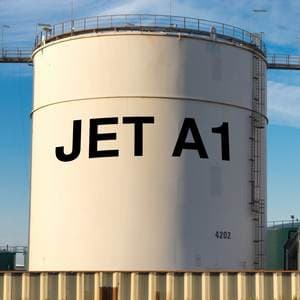
The timing also matters. By pairing a SAF introduction plan with airport tankage during AFCAC’s annual gathering, Togo signaled that it wants Lomé to be more than a destination airport. The broader play is to make the field a regional aviation-fuel node, with the logistics to handle conventional jet fuel now and cleaner fuels later. IATA says SAF could supply as much as 65% of the emissions reductions needed for aviation to reach net zero by 2050, which keeps storage, blending and airport distribution systems at the center of the sector’s transition.
This article was produced by Prism’s automated news system from verified source data, official records, and press releases, then run through automated quality and moderation checks before publishing. The system is built and supervised by the people who set the standards it runs under. Read our full AI policy.
Did this article answer your question?