US corn and soybean ratings hold steady as rains ease drought concerns
Corn and soy ratings stayed at 68% and 66% good-to-excellent as rain eased drought, but Illinois lost 6 points after wind and hail.

USDA National Agricultural Statistics Service on June 22 said U.S. corn and soybean ratings held at 68% and 66% good-to-excellent. The unchanged readings followed a week of widespread rain across the Corn Belt and kept the feedstock outlook steady for ethanol and biodiesel buyers.
DTN Ag Meteorologist John Baranick said the rain reduced drought pressure and kept soil moisture high, but flooding, severe weather and the next heat spell remained the key risks. By June 21, corn had reached 97% emerged and 5% silking, while soybeans were 93% emerged and 9% blooming, leaving both crops in stages where yield potential can still turn quickly with weather.
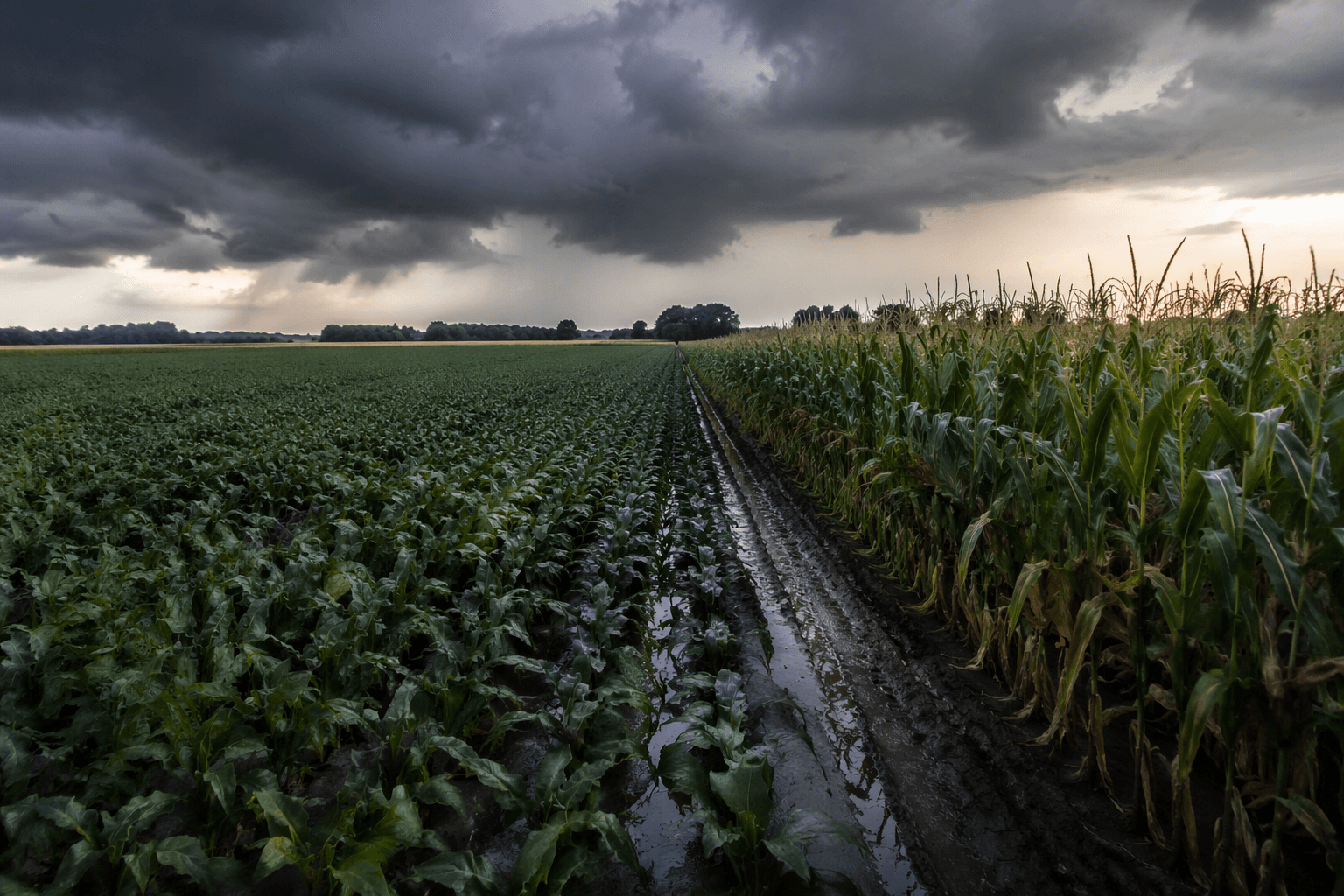
The national numbers concealed uneven damage in the top states. Iowa’s corn was rated 77% good-to-excellent, while Illinois lost 6 points in a single week after wind and hail damage, according to DTN analyst Rhett Montgomery. Illinois, Iowa and Minnesota also saw soybean ratings slip week over week, although Iowa and Minnesota remained above 70% good-to-excellent. That leaves the market with decent crop conditions across much of the belt, but not the kind of blanket comfort that would normally push feedstock fears out of the picture.
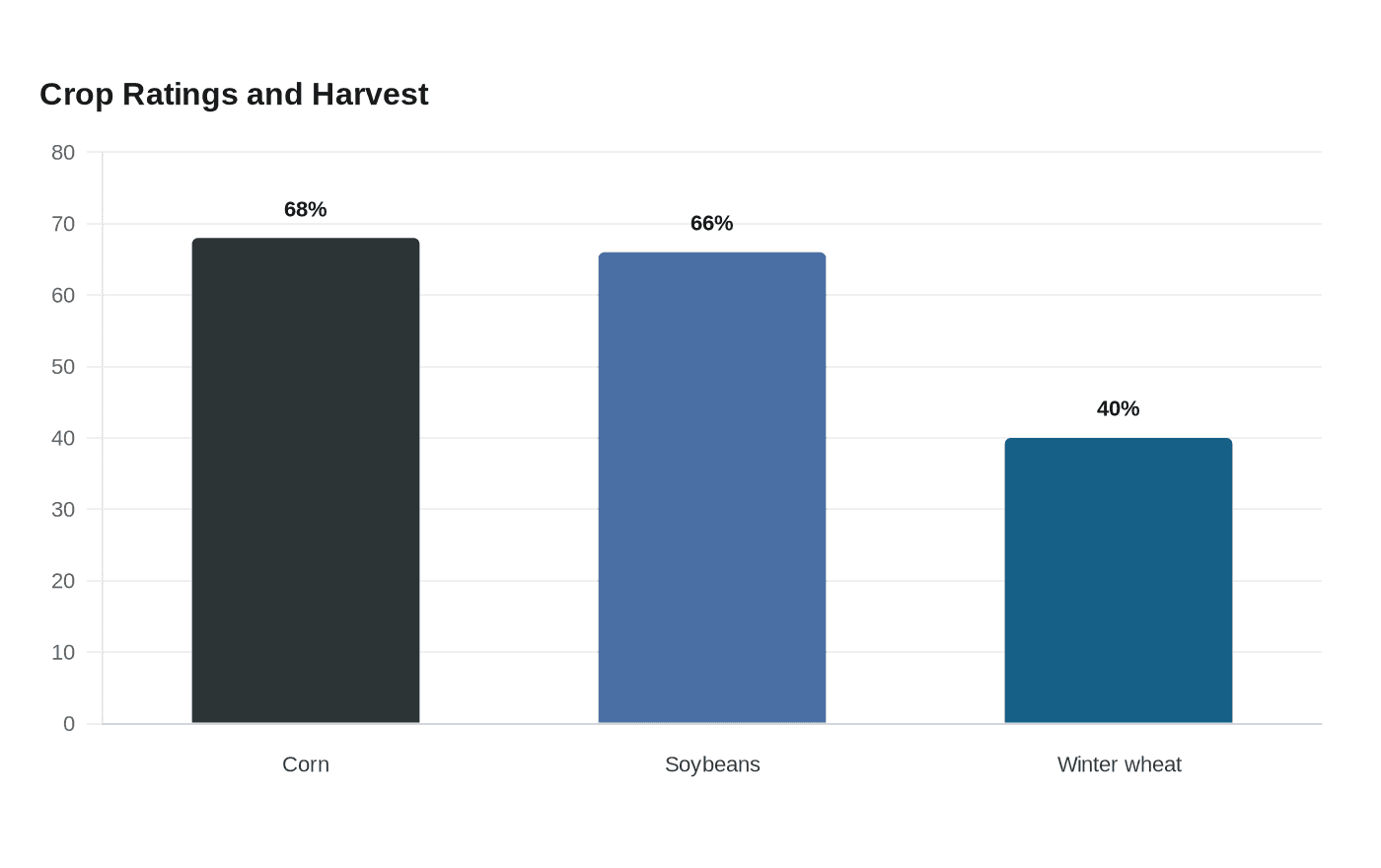
The USDA report covered 18 states representing 91% of U.S. corn acreage and 96% of U.S. soybean acreage, giving traders and processors a broad view of the crop base that feeds corn ethanol and soybean oil demand. The same update put the winter wheat harvest at 40% complete nationwide, well ahead of the five-year average pace of 24%. For biofuels plants watching nearby corn basis, crush margins and soybean oil availability, the message from the crop report was mixed: the rains bought time, but continued moisture will still decide whether current conditions harden into supply comfort or fade into another weather scare.
This article was produced by Prism’s automated news system from verified source data, official records, and press releases, then run through automated quality and moderation checks before publishing. The system is built and supervised by the people who set the standards it runs under. Read our full AI policy.
Did this article answer your question?