USDA finalizes feedstock rule, launches carbon intensity calculator for 45Z credit
USDA opened a 45Z pathway for field corn, soybeans, sorghum and spring canola, with a calculator that scores lower-carbon farm practices in grams of CO2e per bushel.
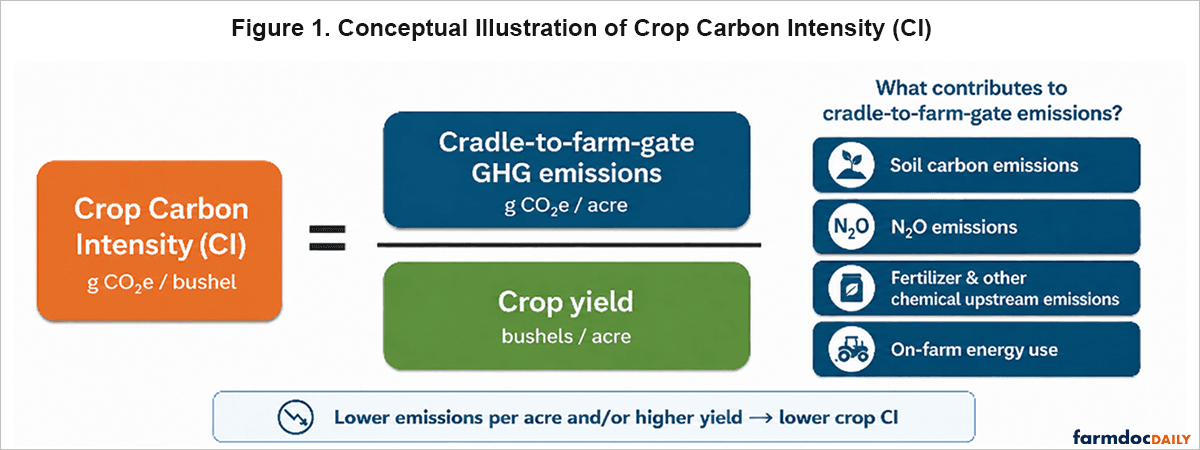
USDA on June 25 finalized a regenerative feedstock rule that extends its 45Z carbon-intensity framework to spring canola and a calculator covering field corn, soybeans, sorghum and spring canola. The package quantifies, reports and verifies the carbon intensity of regenerative biofuel feedstocks, giving farmers a voluntary way to capture more value from no-till, reduced till, cover crops and nutrient-management changes.
The USDA Feedstock Carbon Intensity Calculator evaluates nutrient management and practices including no-till, reduced till, cover crops, nitrification inhibitors and manure nitrogen. The methodology models soil organic carbon changes, nitrous oxide emissions and on-farm fuel use emissions, then expresses the result in grams of carbon dioxide equivalent per bushel. Lower feedstock CI scores may be recognized in clean transportation fuel programs and create new market opportunities for biofuel feedstock producers.
The rule adds field-level quantification, mass-balance chain-of-custody standards, traceability and recordkeeping for participating entities throughout the supply chain. Growers, ethanol producers, renewable diesel makers and SAF buyers will use the same carbon-accounting track when they document feedstock scores, negotiate contracts and compare supply options. Producers will need field records that match the calculator’s practice list, and buyers will need traceable documentation that follows the crop from farm to fuel pathway.

The rule follows USDA’s interim climate-smart agriculture feedstock rule published in the Federal Register on January 17, 2025, which took comments through March 18, 2025 and covered field corn, soybeans and sorghum. USDA’s earlier beta approach made farm-scale CI calculation simpler and preliminary, and Iowa State University’s analysis of that framework found that climate-smart practice effectiveness varies by region.
USDA will post the final rule for public inspection on June 26 and publish it in the Federal Register on June 29. Donald J. Trump’s executive order advancing regenerative agriculture and Brooke L. Rollins’ announcement accompanied the release.
This article was produced by Prism’s automated news system from verified source data, official records, and press releases, then run through automated quality and moderation checks before publishing. The system is built and supervised by the people who set the standards it runs under. Read our full AI policy.
Did this article answer your question?