USDA finalizes regenerative feedstock rule to boost biofuel markets
USDA’s final regenerative feedstock rule tightens carbon-intensity scoring for 45Z, as corn and soybean groups press for feedstock premiums.
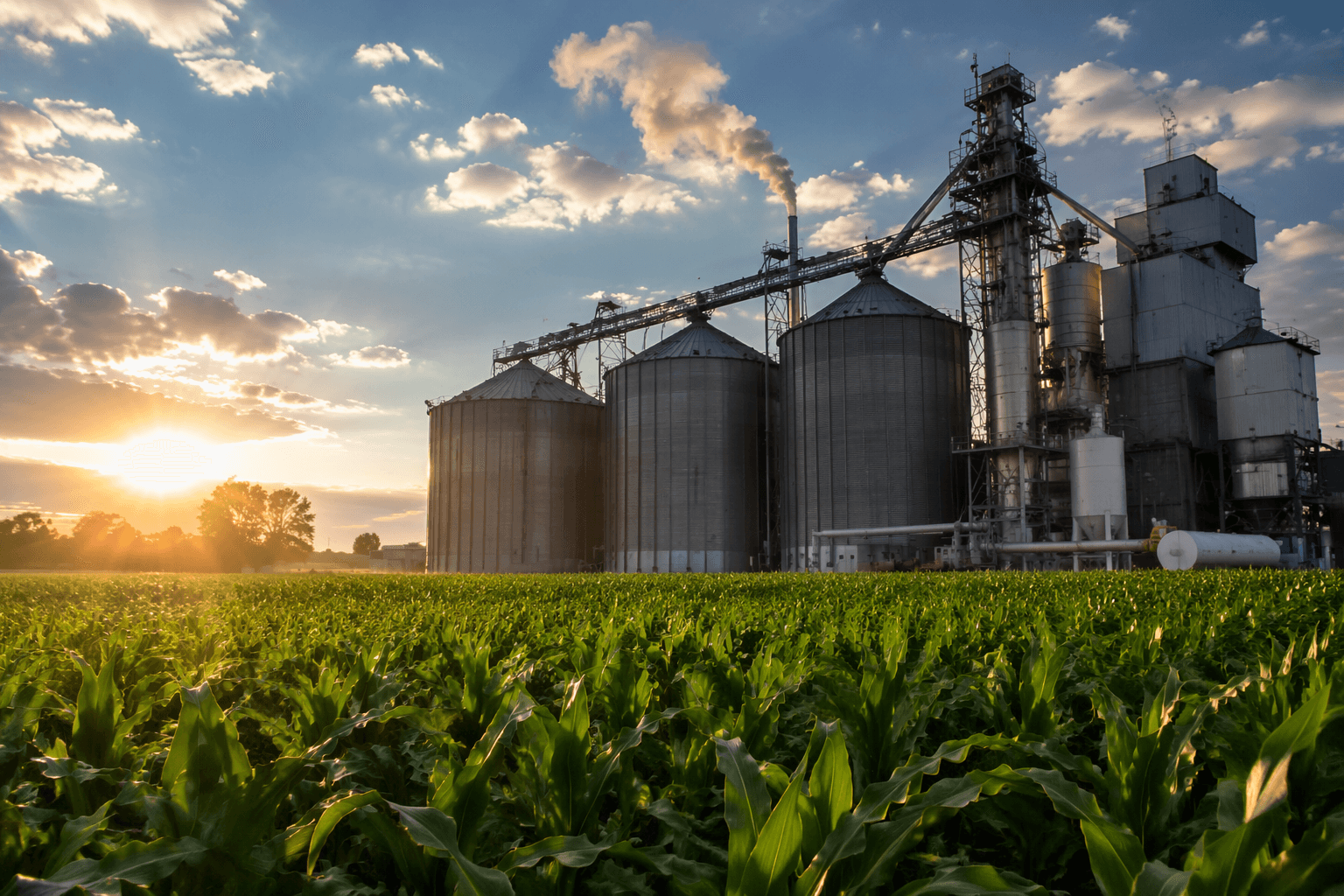
USDA Secretary Brooke Rollins on June 25 finalized a regenerative feedstock rule as the White House paired it with over $1 billion in farm modernization investment.
The rule updates technical guidelines for quantifying, reporting and verifying carbon intensity for regenerative agricultural commodity crops used in biofuels, building on USDA’s January 2025 interim rule. The final version, titled Technical Guidelines for the Production of Regenerative Agricultural Biofuel Feedstocks, was posted for public inspection on June 26 and is scheduled for publication on June 29.
President Donald Trump’s June 25 executive order, Advancing Regenerative Agriculture and Strengthening American Farm Resilience, made continued advances in precision agriculture technologies and higher federal investment in regenerative practices, research and education part of the federal posture around farm resilience.
National Corn Growers Association President Jed Bower said nearly 70% of corn growers are already implementing at least one regenerative practice. Bower also said corn growers welcome more investment, faster EPA reviews of new pesticide products and more dialogue.
American Soybean Association President Scott Metzger said the rule will unlock a new premium soybean market and said the 45Z biofuel tax credit will, for the first time, benefit both biofuel producers and the farmers producing homegrown regenerative biofuel feedstocks.
Clean Fuels Alliance America Vice President of Federal Affairs Kurt Kovarik said USDA’s rule should help farmers get more value from the expanding domestic market for biomass-based diesel and praised the agency’s responsiveness and simplification of the calculator. The final rule gives biofuels buyers and growers a formal scoring path.
This article was produced by Prism’s automated news system from verified source data, official records, and press releases, then run through automated quality and moderation checks before publishing. The system is built and supervised by the people who set the standards it runs under. Read our full AI policy.
Did this article answer your question?