USDA rule boosts value-added biofuel opportunities for sorghum growers
USDA’s final feedstock rule puts sorghum in the 45Z lane, with carbon-intensity scoring and chain-of-custody standards now in place. NSP says growers can capture more value.
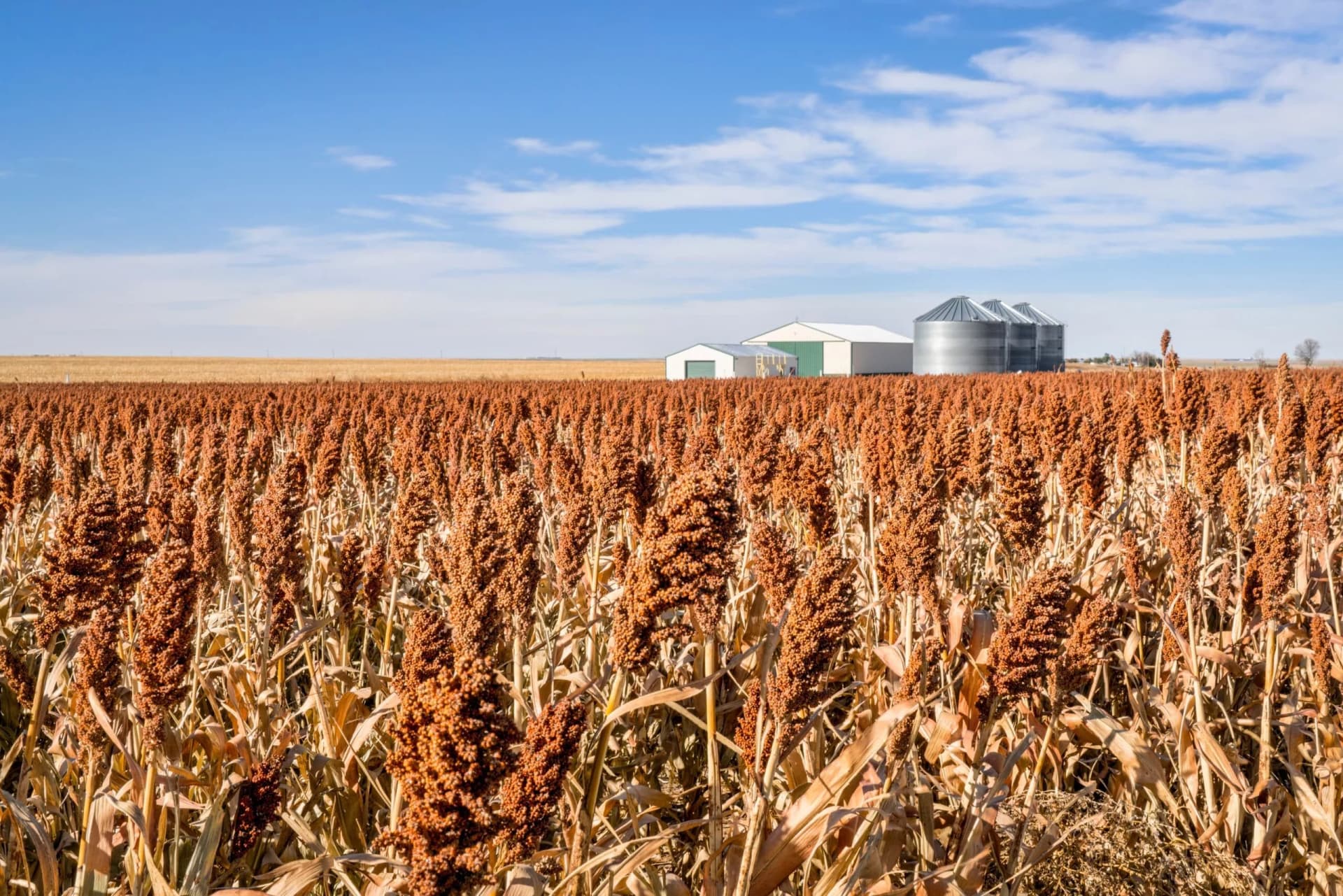
National Sorghum Producers on July 1 applauded USDA’s final Regenerative Feedstock Rule, a four-crop framework meant to help sorghum growers and other farmers capture more value from 45Z-linked feedstock markets. The rule covers sorghum, corn, soybeans and spring canola and is designed to connect regenerative practices to new markets through voluntary conservation measures.
The final rule sets standards for covered feedstock crops and participating entities across the supply chain, along with field-level quantification of crop-specific carbon intensity and mass-balance chain-of-custody requirements for traceability and recordkeeping. USDA’s Feedstock Carbon Intensity Calculator now quantifies carbon intensities, in grams of carbon dioxide equivalents per bushel, for field corn, soybeans, sorghum and spring canola. Processors and fuel buyers can document the CI score behind a crop, not just the crop itself.
IRS guidance makes the Clean Fuel Production Credit available beginning January 1, 2025, and eligible transportation fuel must be produced domestically after December 31, 2024, and sold by December 31, 2027. USDA published its interim final rule on Technical Guidelines for Climate-Smart Agriculture Crops Used as Biofuel Feedstocks on January 15, 2025, and by June 2026 a final version of the technical guidelines rule was in place.

NSP chair Amy France, a sorghum farmer from Scott City, Kansas, backed USDA’s earlier January 2025 interim rule and said it would help strengthen markets for farmers and biofuel producers. Sorghum Checkoff, established in 2008, has focused on awareness of sorghum as both fuel and feedstock. NSP said in 2025 that it would mark its 70th anniversary in December.
This article was produced by Prism’s automated news system from verified source data, official records, and press releases, then run through automated quality and moderation checks before publishing. The system is built and supervised by the people who set the standards it runs under. Read our full AI policy.
Did this article answer your question?