USTR targets Brazil ethanol access in escalating Section 301 dispute
USTR moved Brazil ethanol access into a wider Section 301 fight, opening a June 22 request deadline and July 6 hearing as tariffs and retaliation loom.
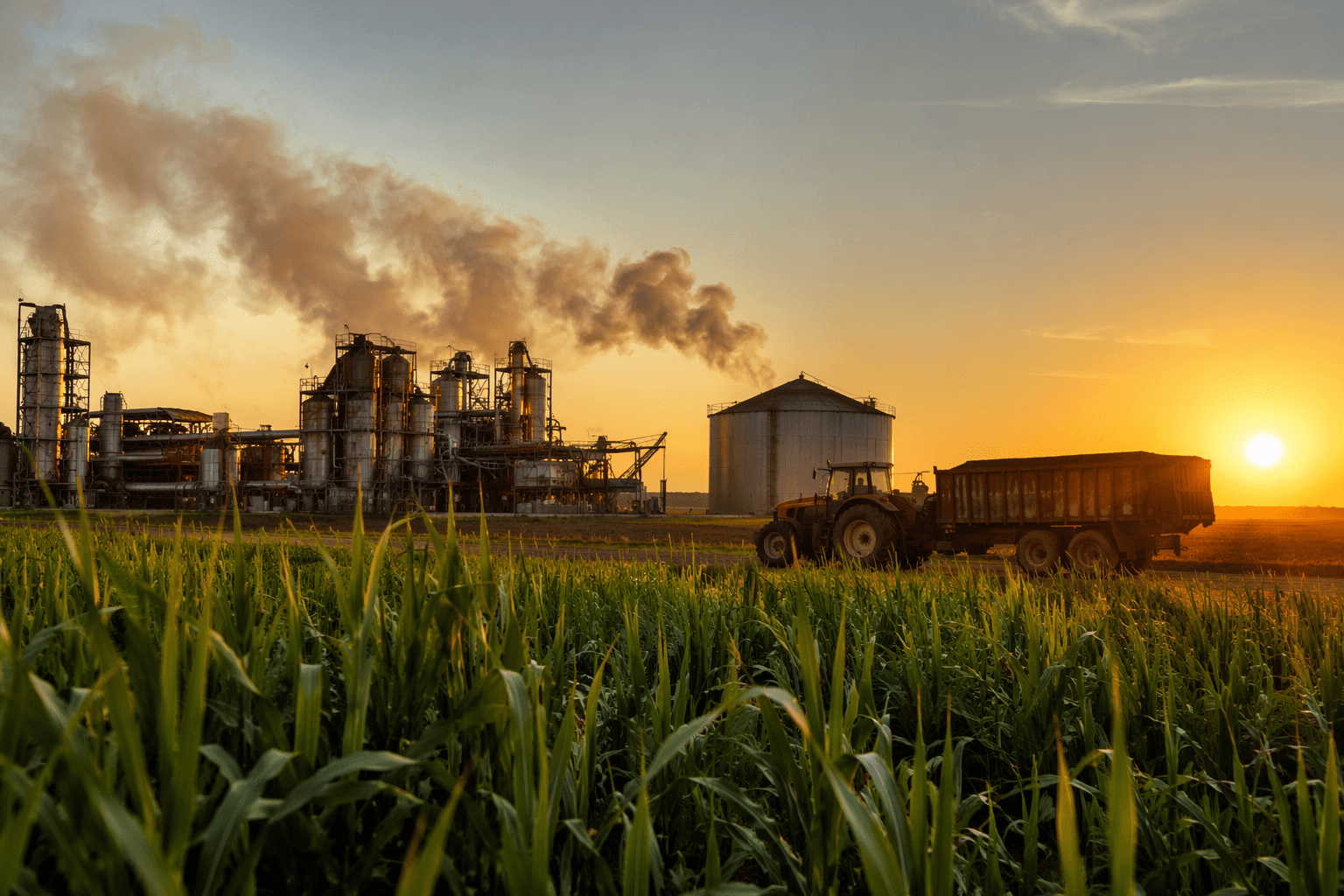
The Office of the U.S. Trade Representative on June 1 escalated its Brazil Section 301 case by saying several Brazilian policies and practices are unreasonable and burden U.S. commerce, with ethanol market access now on the list alongside digital trade, electronic payments, preferential tariffs and intellectual property protection. USTR also proposed responsive action for public comment, setting a July 6 hearing, a June 22 request-to-appear deadline and a July 1 comment deadline as the case moves toward a statutory deadline in mid-July.
The immediate market issue is ethanol, but the policy fight is broader than a single commodity. USTR said the investigation began at President Trump’s direction and that Washington and Brasilia remain in intensive talks, yet substantial differences remain unresolved. Jamieson Greer described the Brazil action as “quite nuanced,” reflecting broad exclusions for goods such as beef, coffee, metals and energy, which leaves open how much of the final response will hit biofuels directly and how much will be used as negotiating leverage.
For U.S. ethanol producers, the timing matters as much as the substance. Brazil is both a major importer and one of the world’s most important competitors in sugarcane ethanol. USDA’s Economic Research Service said Brazil was once the top destination for U.S. ethanol exports, but that outlet shrank as Brazil expanded domestic production. The ERS said U.S. fuel ethanol exports reached a record 2.13 billion gallons in marketing year 2024/25, while the Renewable Fuels Association said U.S. ethanol exports hit 1.91 billion gallons in 2024, equal to 12% of U.S. production.
The trade friction is not new. Brazil’s Foreign Trade Chamber, or CAMEX, upheld an 18% tariff on U.S. ethanol on June 13, 2024, after U.S. ethanol groups and the Brazil Association of Fuel Importers had pressed for permanent removal during a consultation that ended April 11, 2024. The industry response at the time was frustration, and the dispute has carried over into the current Section 301 case. USTR’s own record shows the Brazil investigation was initiated on July 15, 2025, and its process included a September 3, 2025 panel schedule and a September 8, 2025 hearing transcript.
Industry groups see the June 1 action as a potential opening. Growth Energy welcomed USTR’s findings on Brazil’s treatment of American ethanol, while the Renewable Fuels Association backed the probe and has argued in testimony that Brazil’s ethanol policies are unfair and discriminatory. Argus said Brazil currently applies an 18% tax on ethanol imports from outside Mercosur, and some market participants expect Brazil’s 2025-26 import window to range from 400,000 to 800,000 cubic meters if policy changes widen access. For ethanol traders and exporters, the dispute now looks less like a narrow tariff spat and more like a wider trade fight that could reset bilateral biofuel flows.
This article was produced by Prism’s automated news system from verified source data, official records, and press releases, then run through automated quality and moderation checks before publishing. The system is built and supervised by the people who set the standards it runs under. Read our full AI policy.
Did this article answer your question?