Vietnam airlines accelerate sustainable aviation fuel use to cut emissions
Vietnam Airlines and Vietjet moved SAF from pledges to operations, with 2% blends on Europe routes and Vietnam’s first domestic SAF departures in 2024.
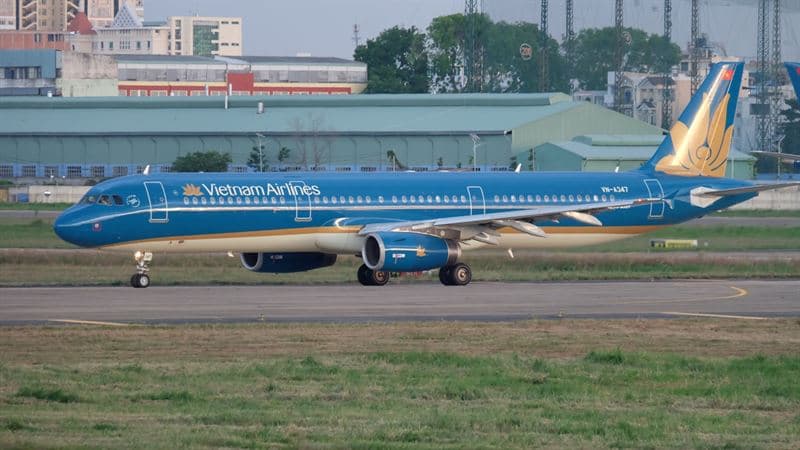
Vietnam Airlines on May 27, 2024, operated Vietnam’s first commercial passenger SAF flight, using a 2% blend on an Airbus A321 for the Singapore-Hanoi return sector.
The carrier refueled at Changi Airport, and Neste said the flight made Vietnam Airlines the first visiting carrier from the Asia-Pacific region to use Neste’s SAF supply capabilities there. The move marked the start of a practical shift in Vietnam’s aviation sector, where the country’s net-zero by 2050 target has put airlines under pressure to cut lifecycle emissions rather than just announce them.
Do Hong Cam, deputy director of the Civil Aviation Authority of Vietnam, said SAF can cut carbon dioxide emissions by up to 80% across the fuel lifecycle versus conventional jet fuel. The International Civil Aviation Organization has also said SAF has the greatest potential to reduce CO2 emissions from international aviation, which has made the fuel the industry’s main near-term decarbonization lever.
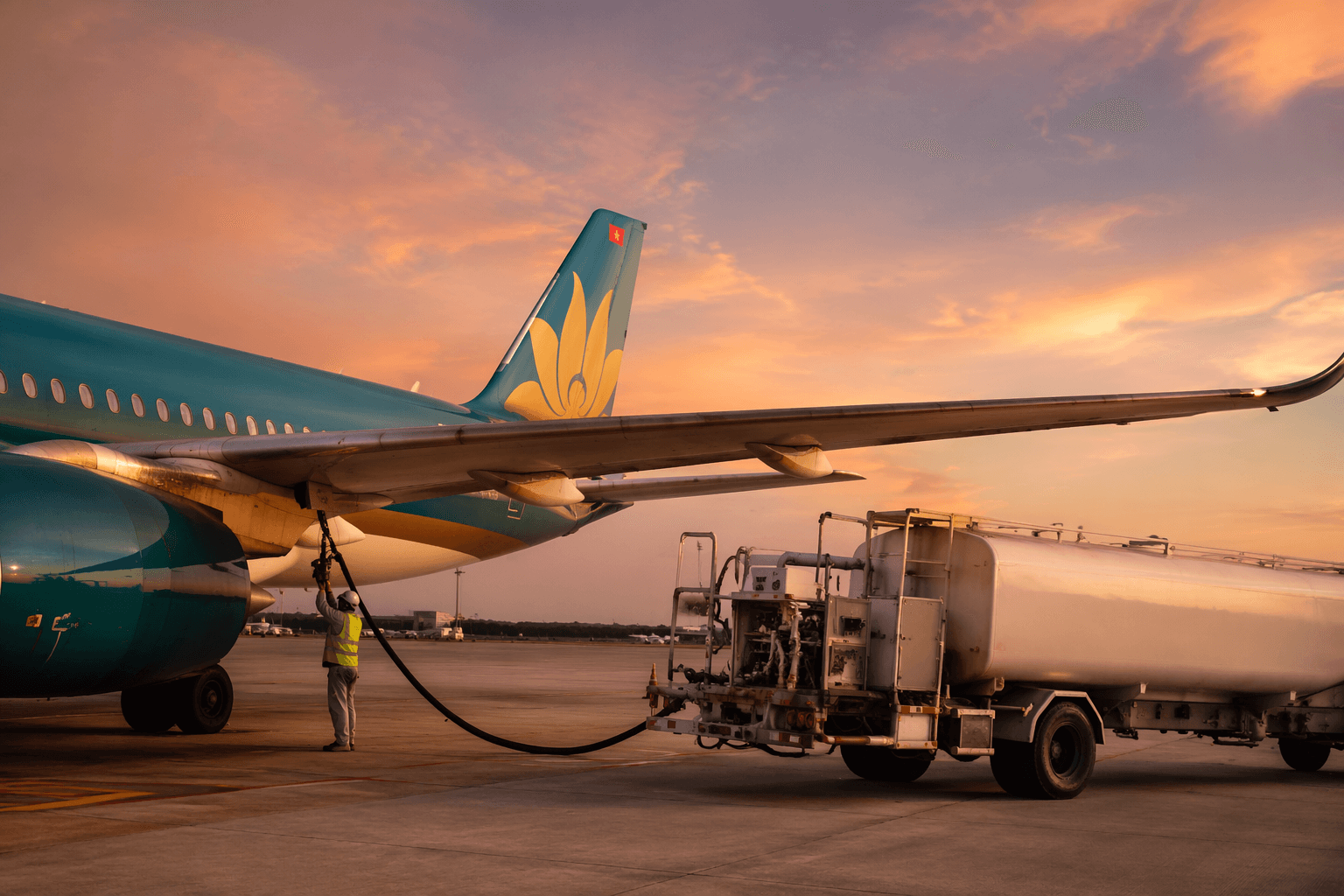
Vietjet followed on October 17, 2024, with what it described as Vietnam’s first SAF-fueled departures from the country, sending two flights out of Tan Son Nhat International Airport in Ho Chi Minh City using fuel supplied by Petrolimex Aviation. Vietjet said the SAF came from renewable and waste feedstocks including used cooking oil, agricultural by-products, wood biomass and urban waste, and that it could reduce emissions by up to 80% compared with traditional fuel.
Vietnam Airlines then widened adoption beyond one-off demonstrations. Starting January 1, 2025, all flights departing from Europe were to use at least a 2% SAF blend, rising to 6% by 2030, 20% by 2035 and 70% by 2050. Flights departing from the United Kingdom were set to start at 2% in 2025, increase to 10% by 2030 and reach 22% by 2040.

The schedules show how far Vietnam’s airlines still have to go. A 2% blend on Europe and UK departures is an early commercial step, while the 70% target on Europe routes by 2050 points to the scale of fuel switching still required before SAF can reshape the sector’s emissions profile.
Supply is starting to form around that demand. On July 30, 2025, Petrolimex and Singapore-based Keppel Infrastructure Holdings signed a memorandum of understanding to explore SAF development and supply in Vietnam, an early signal that airlines’ uptake is beginning to pull a domestic supply chain into view.
This article was produced by Prism’s automated news system from verified source data, official records, and press releases, then run through automated quality and moderation checks before publishing. The system is built and supervised by the people who set the standards it runs under. Read our full AI policy.
Did this article answer your question?