Vietnam could produce 1 million barrels of SAF daily by 2030
Vietnam’s residue pool could support about 1 million barrels of SAF a day, but collection, preprocessing and alcohol-to-jet capacity will decide scale.
Boeing’s Sharmine Tan on June 25 said Vietnam could have enough agricultural residue to support roughly 1 million barrels of sustainable aviation fuel a day between 2030 and 2050.
She made the case at the International Conference on Sustainable Aviation Fuel: Policy Framework and Market Development in ASEAN, held in Hanoi, where the residue base was agricultural waste from rice and cassava. The ASEAN SAF project was carried out by the ASEAN Secretariat, GHD, Boeing and the Canadian Trade and Investment Facility for Development, funded by Global Affairs Canada and implemented by Cowater International and the Institute of Public Administrators of Canada.
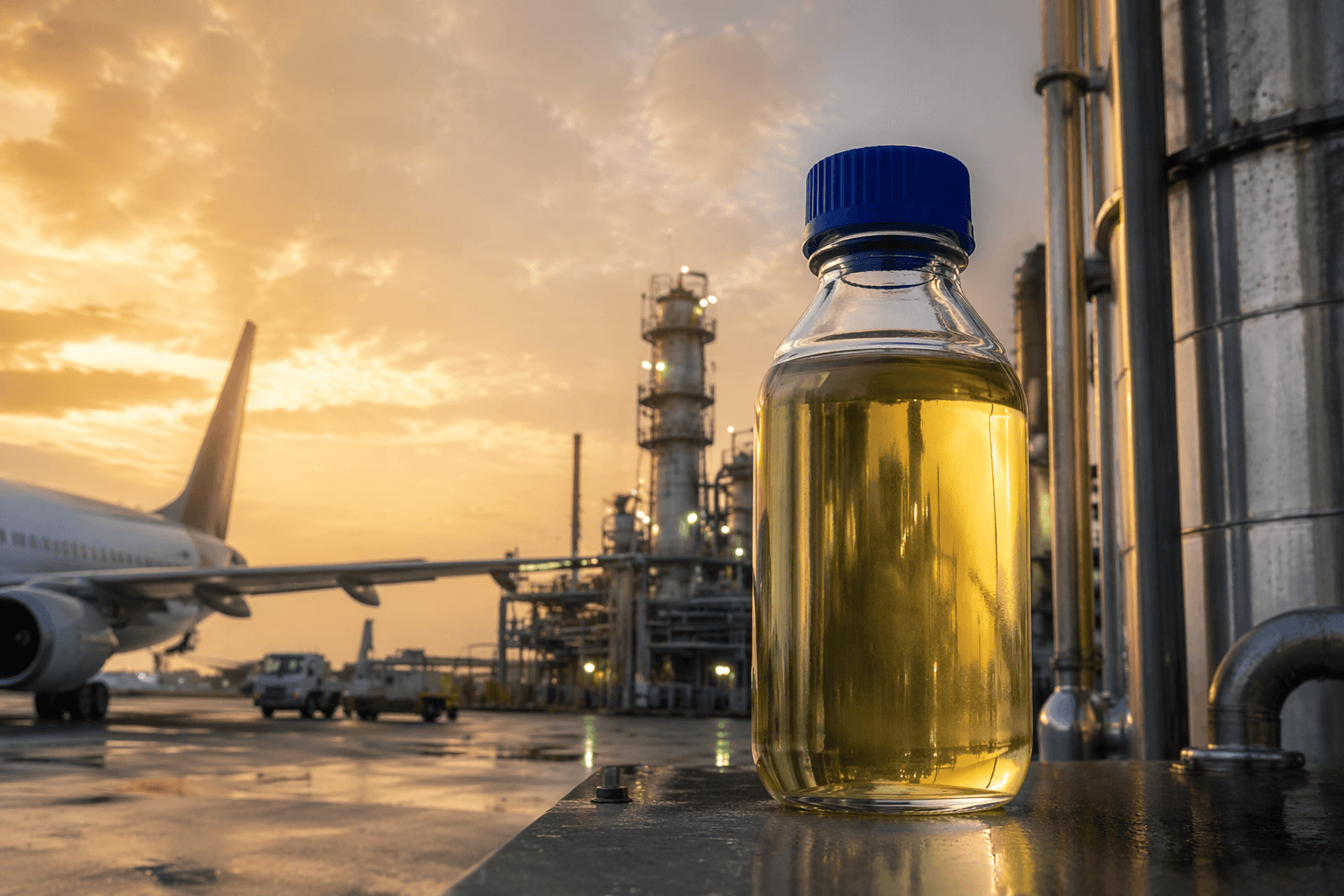
ASEAN’s 2026 SAF outlook puts the region’s potential at as much as 8.5 million barrels a day by 2050. A 2025 Boeing-ASEAN analysis identified rice, cassava and forestry residues as key waste streams across Southeast Asia, with Vietnam among the countries assessed as having strong SAF potential. In the ASEAN techno-economic assessment, alcohol-to-jet ranked highest among the pathways studied for agricultural and forestry residues, while feedstock type, technology choice and local grid emissions all affected carbon intensity.

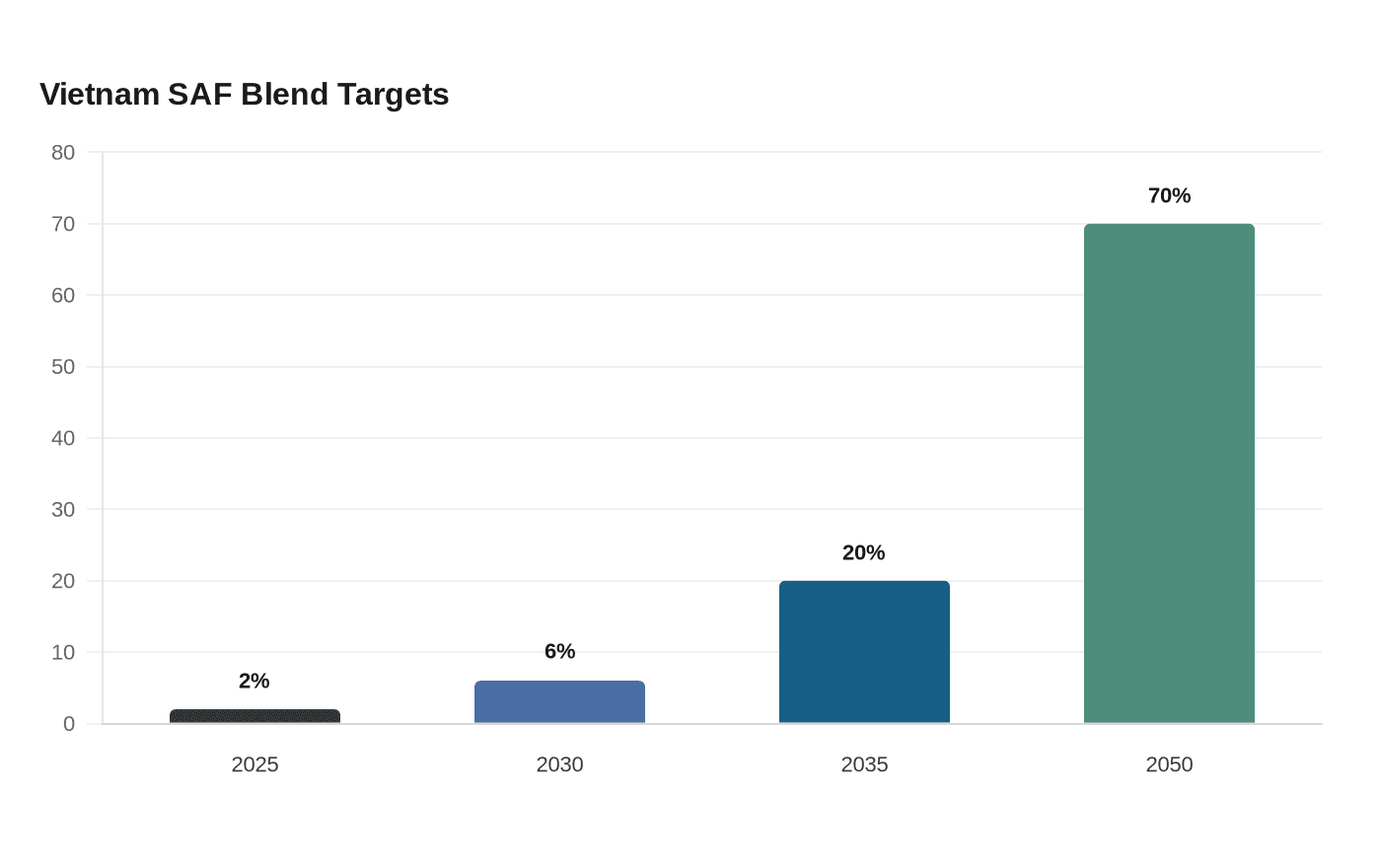
Vietnam’s aviation fuel demand is also rising quickly. The Civil Aviation Authority of Vietnam has projected demand will increase from about 2.8 million to 3 million tonnes a year today to 4 million tonnes by 2030 and 11 million tonnes by 2050. Vietnam Airlines started using a 2% SAF blend on flights departing European airports on January 1, 2025, and has set targets of 6% by 2030, 20% by 2035 and 70% by 2050 on Europe departures. For UK departures, it has laid out a 2% blend in 2025, 10% by 2030 and 22% by 2040.
High production costs remain the biggest obstacle to SAF deployment in Vietnam, and long-term support policies are needed. The Civil Aviation Authority of Vietnam has projected SAF could add about $25 million to Vietnamese aviation fuel costs during 2025 to 2030.
This article was produced by Prism’s automated news system from verified source data, official records, and press releases, then run through automated quality and moderation checks before publishing. The system is built and supervised by the people who set the standards it runs under. Read our full AI policy.
Did this article answer your question?