Waste-based feedstocks overtake crops in EU biodiesel production
Waste oils and residues supplied 55% of EU biodiesel output in 2025, versus 38% from crops, as production reached 14.7 million tonnes.
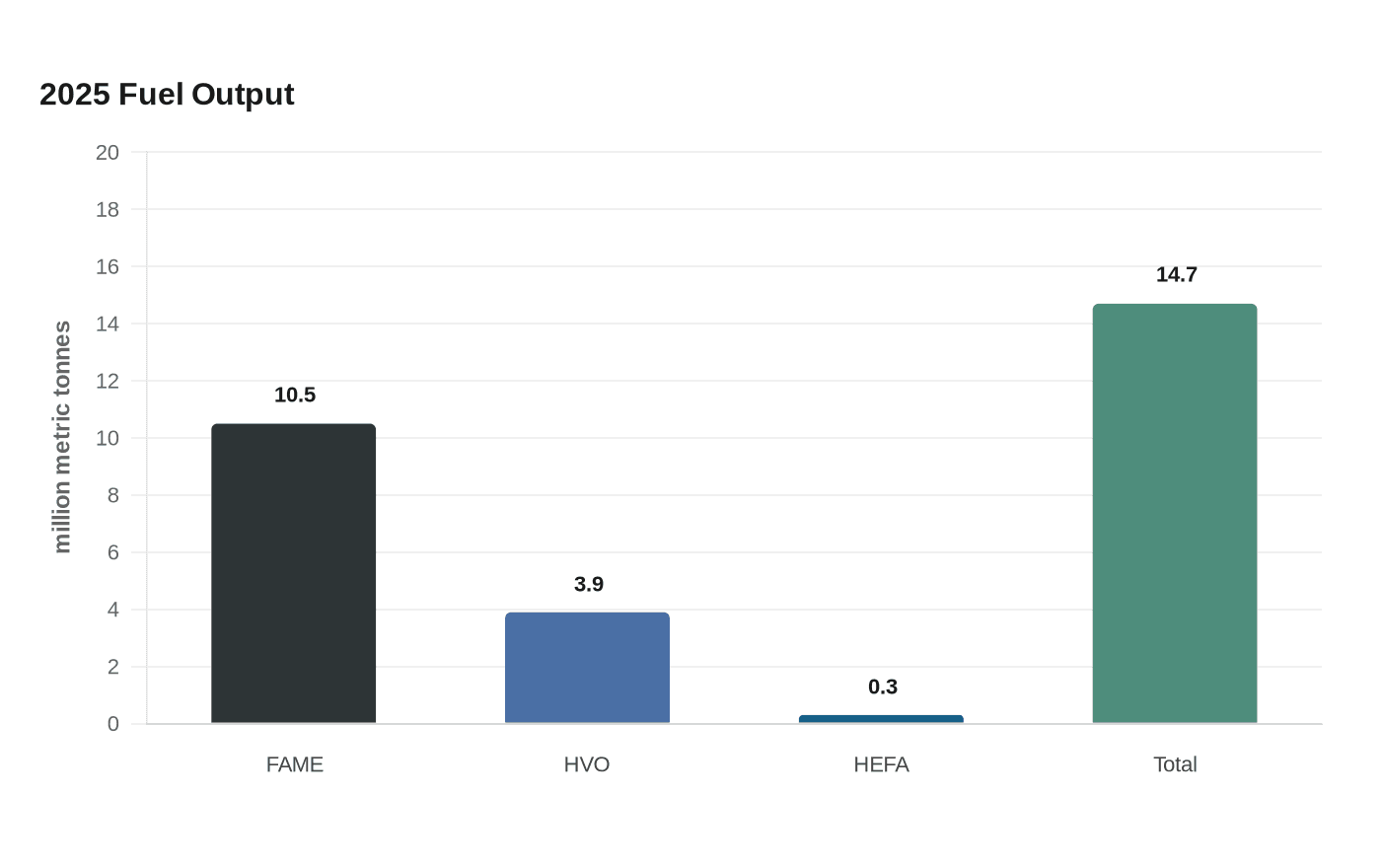
The European Biodiesel Board on June 8 said Annex IX waste-based feedstocks supplied 55% of EU biodiesel output in 2025, overtaking crop-based material at 38%. Total EU-27 production of biodiesel and bioSAF rose slightly to 14.7 million metric tonnes, with FAME at 10.5 million tonnes, HVO at 3.9 million tonnes and HEFA at 0.30 million tonnes.
EBB said it represents around 65% of EU biodiesel and bioSAF output in its 2025-2026 Statistical Report, published in Brussels. Secretary General Xavier Noyon said Europe’s energy supply had been exposed by recent events and argued that energy security and climate policy should not be separated, adding that biodiesel production supports European agriculture, waste collection systems and industrial capacity. The board said HEFA effectively doubled year on year, even as domestic production growth stayed minimal against the EU’s 2030 climate targets.
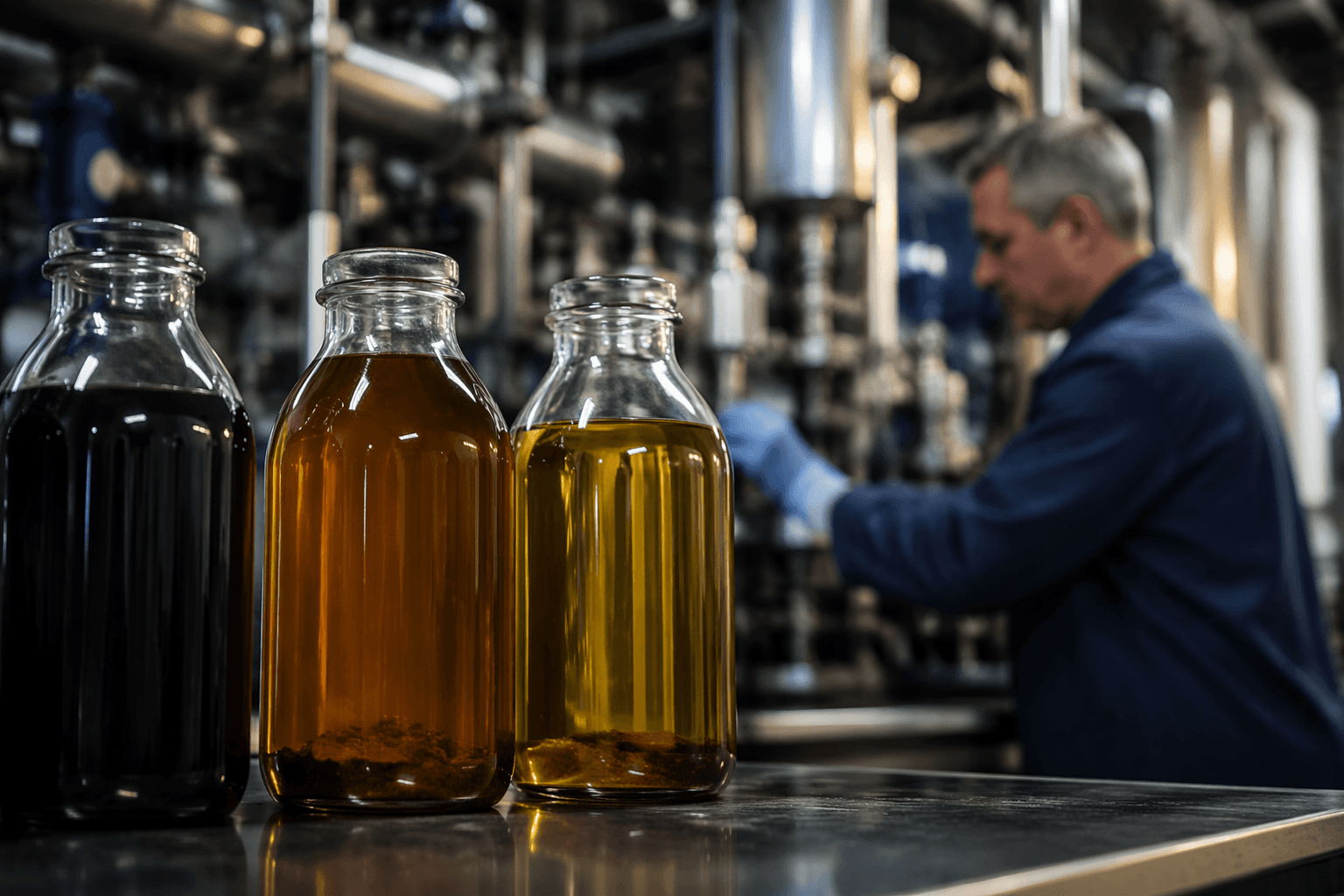
Rapeseed oil remained the dominant feedstock, but the shift toward waste oils and residues was broad enough to change the market mix. The report said used cooking oil accounted for 24% of output and palm oil mill effluent for 13%, and that the larger waste-based share likely improved greenhouse-gas savings through feedstock diversification. That leaves crop producers with a smaller role in a market increasingly defined by Annex IX inputs, traceability and access to compliant waste streams.
Trade flows also underscored the change. The EU imported about 1.76 million tonnes of HVO and about 1.54 million tonnes of FAME in 2025, with FAME imports down about 22% from 2024. The bloc introduced an EU customs code for HVO in 2025 to improve tracking through Eurostat data, a sign that regulators are trying to get a firmer grip on volumes moving into a tighter market.
The latest figures were broadly consistent with the 2024-2025 report, which also put waste-based feedstocks at 55% and crop-based biodiesel at 39%. That earlier report warned that crop-based feedstocks were under political scrutiny, fraud remained a problem and verification needed reform, while noting that FAME imports from the EU had fallen by half between 2019 and 2024 and Chinese shipments dropped sharply after anti-dumping measures. USDA Foreign Agricultural Service data from August 2024 said EU biomass-based diesel consumption reached 17.98 billion liters in 2023 and was expected to fall in 2024 as mandates eased and higher-GHG-reduction fuels gained share.
This article was produced by Prism’s automated news system from verified source data, official records, and press releases, then run through automated quality and moderation checks before publishing. The system is built and supervised by the people who set the standards it runs under. Read our full AI policy.
Did this article answer your question?