Zimbabwe backs 10-year sugarcane plan to expand ethanol and green industry
Zimbabwe approved a 10-year sugarcane plan to lift ethanol, renewable power and bio-products through 2035. The strategy adds seven policy pillars and more smallholder participation.

Zimbabwe’s Cabinet on June 24 approved a 10-year sugarcane strategy for 2026 to 2035. Fredrick Shava, acting chairperson of the Cabinet Committee on National Development Planning, presented the Zimbabwe Sugarcane Industry Development Plan as a roadmap to make the sector climate-resilient, innovation-led and globally competitive.
The plan goes beyond raw sugar and fuel blending. It sets out a broader industrial role for sugarcane, with higher ethanol output, more renewable energy generation and wider use of molasses and bagasse. The strategy also calls for growth in bio-fertilisers, stock feed, bio-plastics and other products derived from sugarcane residues, turning the crop into a multi-revenue platform for growers and processors.
Cabinet tied that shift to seven policy pillars: enabling regulation, higher productivity and climate resilience, product diversification, stronger market links, more research and technology, inclusive growth with smallholder participation and better access to financing. The plan points to irrigation improvements, productivity upgrades, infrastructure investment and closer collaboration with universities and private investors as the practical levers needed to lift output and cut unit costs.
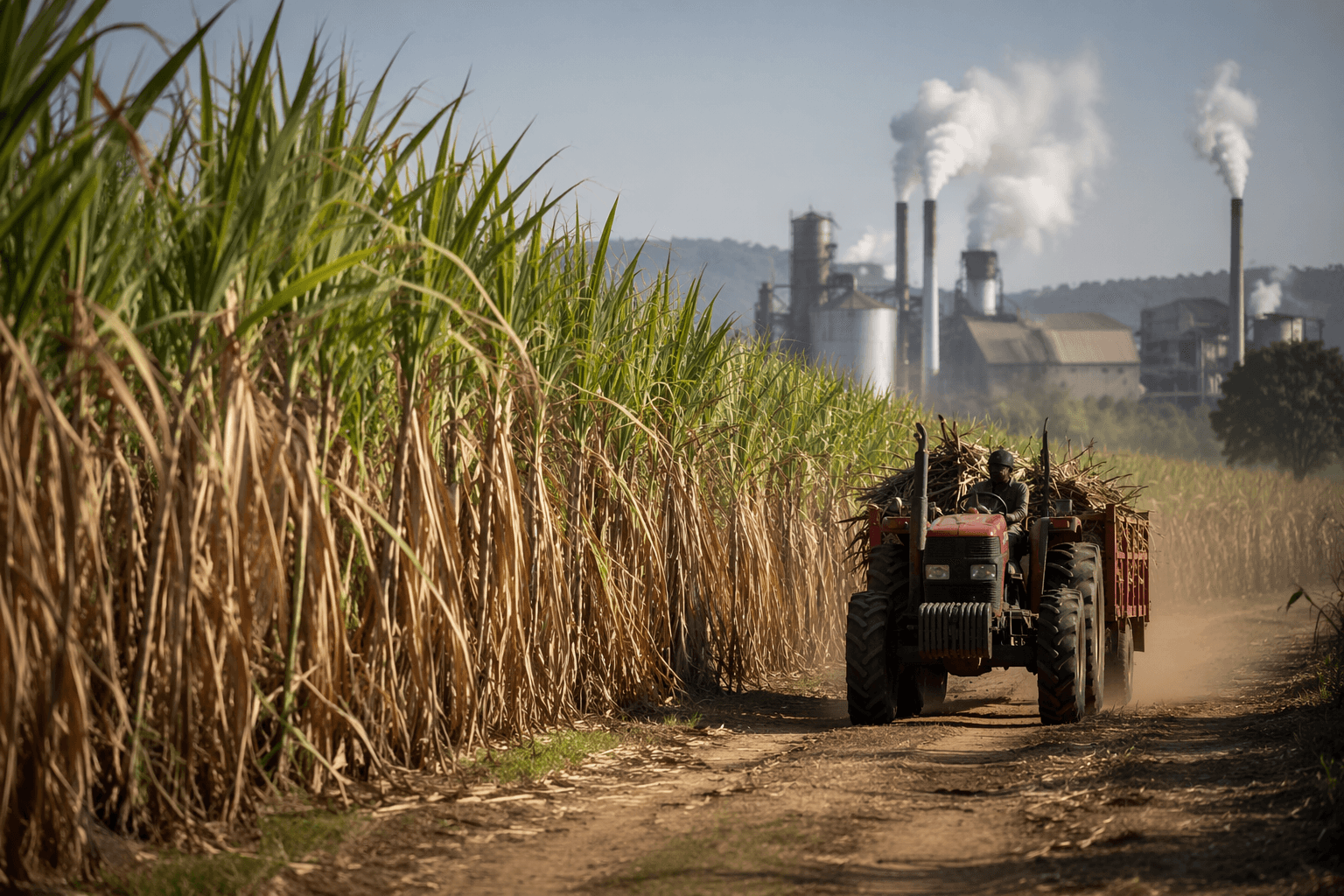
Zimbabwe’s sugar sector is being asked to do more than supply domestic sweeteners. The government wants higher processing capacity to lift cane yields, support ethanol exports and improve profitability across the value chain. That makes the investment agenda central to the plan, because new ethanol tanks, milling capacity, logistics links and water systems will need to move in step with field productivity if the sector is to expand beyond its traditional footprint.
The plan also places sugarcane inside a wider rural industrial policy. By linking cane to electricity, fertilizers, animal feed and plastics, Cabinet is seeking to build more value around the crop and reduce dependence on imported fuels. The strategy’s emphasis on smallholder participation and financing suggests the government wants the expansion to reach beyond the established miller base, while the focus on climate resilience and research signals that water use, technology adoption and market access will determine how far the 2026 to 2035 roadmap can go.
This article was produced by Prism’s automated news system from verified source data, official records, and press releases, then run through automated quality and moderation checks before publishing. The system is built and supervised by the people who set the standards it runs under. Read our full AI policy.
Did this article answer your question?