AIFinTech100 spotlights insurance AI vendors in wider financial services
More than 2,000 AI firms were narrowed to 100, and insurance vendors now sit inside a financial-services race built on deployment, governance and integrations.
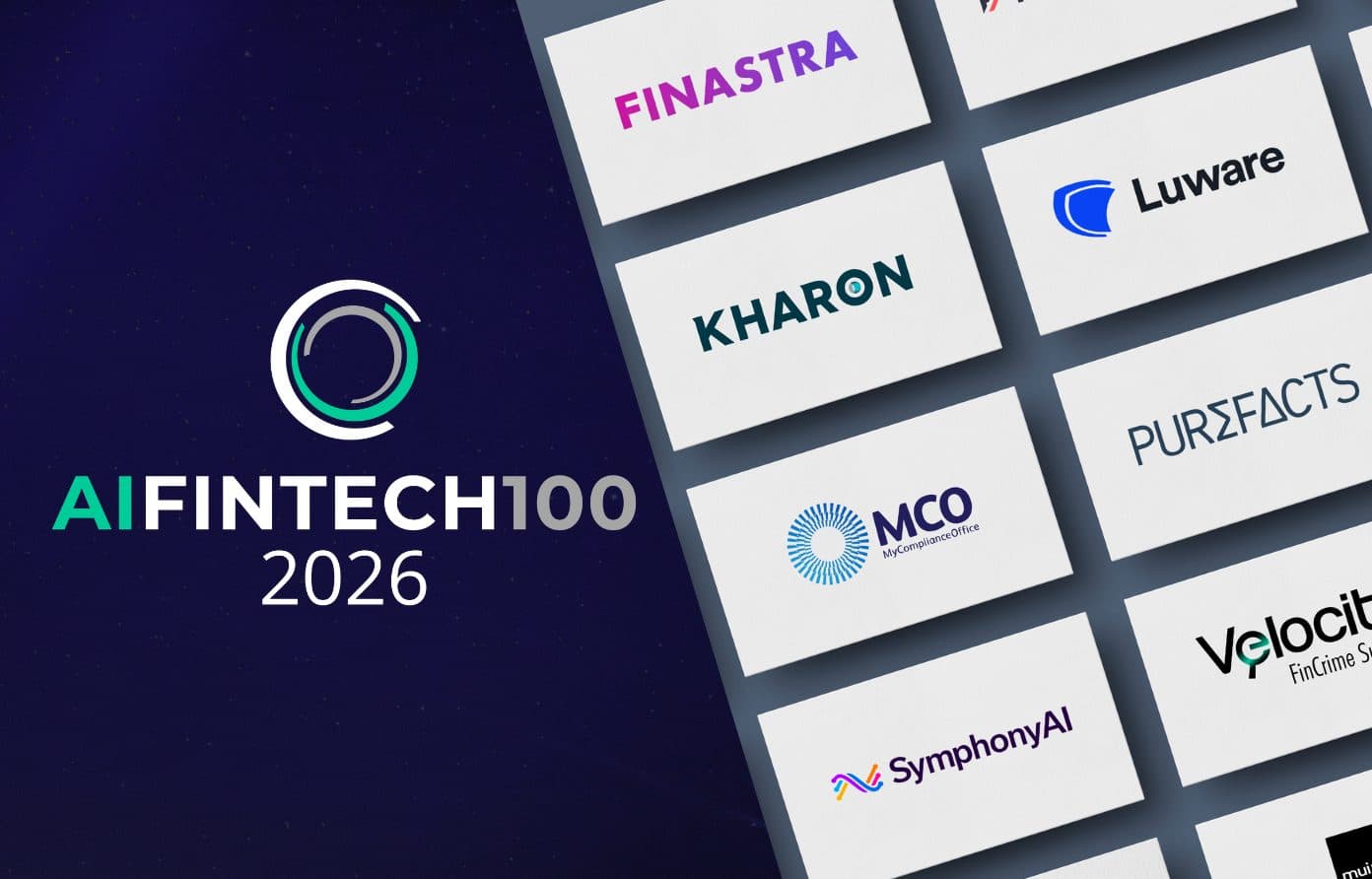
FinTech Global’s sixth annual AIFinTech100 widened the frame around insurance AI on June 17, 2026, ranking 100 AI solution providers for financial services from a field of more than 2,000 firms. The list covers compliance, banking, insurance, payments, customer experience, fraud prevention, risk management and back-office automation, which makes one point hard to miss: insurance software is no longer being judged in a silo.
Richard Sachar and FinTech Global set the 2026 list around a market that has moved from experimentation to deployment. The company said the global AI in FinTech market was worth about $14.9 billion in 2024, and it identified agentic AI, autonomous software agents that can complete predefined tasks with limited human intervention, as the biggest shift in the sector. That matters to P&C buyers because the competitive set is expanding beyond specialist insurtechs into vendors serving banks, payments firms and other regulated businesses with similar demands for workflow control and measurable automation.
The selection criteria tell the same story. FinTech Global said it weighed the significance of the problem a vendor solves, growth in capital raised, revenue and customer traction, the innovation of the AI solution, cost savings, efficiency improvement and value-chain or revenue impact for clients. In other words, market appeal now depends on operational proof. A model demo is not enough if it cannot cut handling time, reduce manual review or fit into a regulated production stack.

That puts pressure on the parts of P&C software that still struggle with integration and governance. BCG said insurance AI adoption is constrained by legacy-system integration, data governance and accuracy issues, and procurement decision inefficiency. Recent governance guidance for insurance AI has pushed explainability, auditability, documentation and ongoing monitoring in underwriting, pricing, claims, fraud detection and marketing. Those are not abstract requirements. They are the checkpoints insurers will use when they decide whether an AI vendor can plug into policy administration, claims operations and fraud workflows without creating another isolated tool.
FinTech Global’s own history shows how quickly the field has broadened. Its 2025 AIFinTech100 also evaluated more than 2,000 companies before narrowing to 100, and the 2024 list already spanned banking, insurance, compliance, customer experience, investment and trading, and payments. The company said earlier winners often drew direct interest from banks, financial institutions, clients and partners. For P&C software vendors, that means the bar is rising toward open APIs, shared data models and enterprise AI governance, because the strongest platforms will be the ones that can sit inside a wider financial-services stack instead of trying to stand apart from it.
This article was produced by Prism’s automated news system from verified source data, official records, and press releases, then run through automated quality and moderation checks before publishing. The system is built and supervised by the people who set the standards it runs under. Read our full AI policy.
Know something we missed? Have a correction or additional information?
Submit a Tip