Australia’s climate risk pushes claims handling to the front line
Australia’s insurers are turning claims systems into climate infrastructure, using early warnings and surge triage to stay ahead of harsher storms. Alfred showed why.
Claims handling is no longer the dull end of the insurance stack in Australia. With floods, droughts and wildfires hitting harder and more often, the claims system has become the place where climate risk meets customers, regulators and balance sheets in real time. Guidewire’s latest framing is blunt: if a carrier cannot ingest loss data quickly, prioritize urgent cases and keep policyholders informed at scale, it is not really ready for a severe-weather market.
Climate risk is forcing claims out of the back office
The pressure is coming from every direction. The Insurance Council of Australia says extreme weather costs Australians about $4.5 billion a year, and its broader analysis shows those losses have roughly tripled over the last three decades. Over the long run, the country has averaged about $2.1 billion a year in insured extreme-weather costs, with the last five years closer to $4.5 billion, and flood remains the costliest natural peril.
That is why the conversation has shifted from resilience as a slogan to claims as infrastructure. Australia is exposed to recurring catastrophe seasons, and the global reinsurance market can send higher costs back into the country when losses rise elsewhere. In other words, a storm in one part of the world can still tighten conditions for Australian carriers trying to settle claims in Brisbane or the Northern Rivers.
What Ex-Tropical Cyclone Alfred proved
Ex-Tropical Cyclone Alfred is the cleanest case study. The Insurance Council of Australia declared it an insurance catastrophe on March 9, 2025, for southeast Queensland and northern New South Wales, after impacts that began on Friday, February 28, 2025. By March 12, claims tied to the event had already topped 34,000, which tells you how quickly a modern nat-cat event turns into a large-scale operational exercise.
The insurer response was not limited to waiting for forms to arrive. Guidewire says carriers used data and tracking to identify at-risk customers, send advance communications and prepare policyholders for the claims process before Alfred fully escalated. Other reporting said insurers contacted more than 250,000 customers across southeast Queensland and northern New South Wales with safety guidance and claims instructions before the worst impacts hit. That kind of pre-loss outreach is becoming as important as post-loss payment, because it reduces confusion, accelerates first notice of loss and gives carriers a head start on triage.
The physical claims footprint also matters. Insurers stood up recovery centers in Brisbane, the Gold Coast, Hervey Bay and the Northern Rivers area of New South Wales. Those locations are not just customer service points, they are operational pressure valves, the places where people can get face-to-face help when phones are jammed, online queues are long and emotions are running high.

The platform capabilities carriers now need
The interesting part of Guidewire’s argument is not that software should process claims faster. That is table stakes. The bigger point is that climate-driven claims require a stack that can do several jobs at once: identify exposure before landfall, route urgent cases immediately, scale intake when volumes spike and keep communications consistent across channels.
That means connected data, predictive modeling, drones and core systems such as ClaimCenter are no longer nice add-ons. They are part of the same operational chain. Predictive models help insurers see where losses are likely to cluster. Connected data helps them match policyholders to risk zones and contact them early. Drones and other remote assessment tools help after the event, when access is limited and adjusters cannot get everywhere at once. ClaimCenter-style core workflow then becomes the engine that keeps claims moving instead of letting them stall in a backlog.
The practical lesson is simple: speed matters, but orchestration matters more. A carrier can be quick on one claim and still fail if it cannot scale the whole process from intake to payment to status updates. In a severe-weather market, claims software has to behave less like a record-keeping tool and more like a dispatch system.
Catastrophe declarations are an operational trigger, not a press release
The Insurance Council’s guidance makes clear why catastrophe declarations matter so much. When a catastrophe is declared, claims are prioritized, urgent assistance is triaged and disaster response specialists are mobilized to work alongside government and emergency services. That is a workflow change, not just a media moment.
The Insurance Council’s 2024–25 catastrophe reporting shows how broad the strain has become. Alfred was part of a season that also included severe flooding in North and Central Queensland and the Mid-North Coast and Hunter regions of New South Wales. The council says its annual catastrophe reporting uses insurer data and insights to track and advocate on extreme-weather impacts, which is important because the industry needs a shared picture of what is happening, where it is happening and how often it is happening.
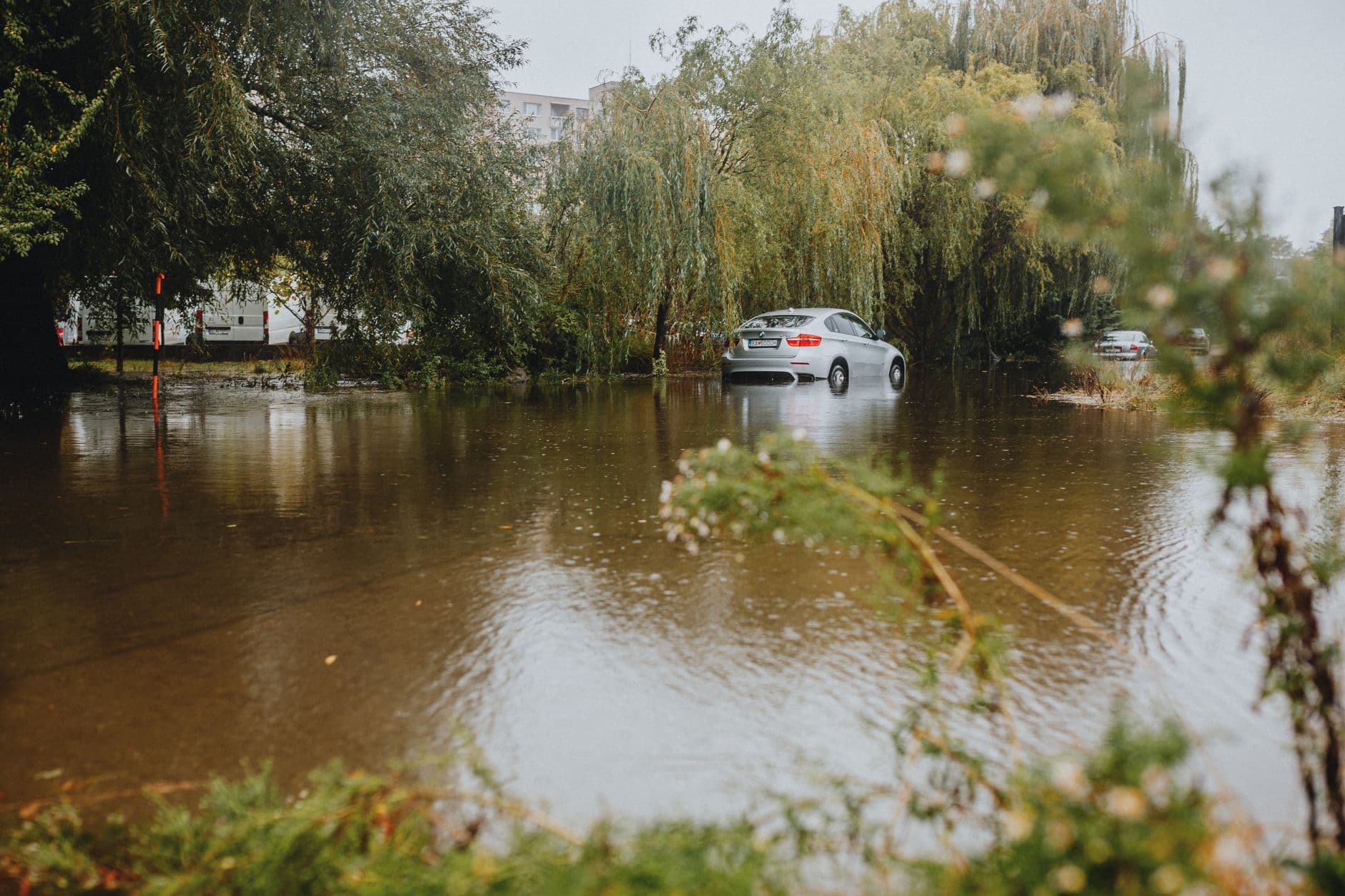
That wider reporting lens matters when decisions are being made about staffing, call-center capacity and field response. If a season can swing from cyclone damage in southeast Queensland to flood losses in Central Queensland and coastal New South Wales, then claims operations cannot be built for a single-event surge. They need to be built for repeated spikes.
Why reinsurance is part of the claims story
Australia’s cyclone reinsurance architecture is another piece of the puzzle. The Australian Reinsurance Pool Corporation says the Cyclone Reinsurance Pool began operating on July 1, 2022, and is backed by a $10 billion Commonwealth guarantee. The point of the pool is to help insurers transfer risk for cyclones and cyclone-related flood damage, which directly affects how much capacity carriers have when a major event lands.
That link between reinsurance and claims is easy to miss, but it is real. The faster losses accumulate, the more important it becomes to manage claims cleanly, because settlement speed, reserving accuracy and portfolio stability all feed into the next round of underwriting and capital decisions. The ICA’s broader data, including its observation that Australia has taken the silver medal for extreme-weather losses over the last 45 years, beaten only by the United States, underlines how structurally exposed the market has become.
The new benchmark for nat-cat readiness
Alfred’s later numbers show just how long the tail can run. By May 2026, the Insurance Council’s catastrophe page showed 131,000 claims, $1.59 billion incurred and a 93.4% closed rate. That is the real shape of modern recovery: the headline event passes, but the claims machinery keeps working for months and, in some cases, years.
For Australian carriers, the lesson is hard to ignore. Claims handling is now a climate-risk discipline, not an administrative one. The winners will be the insurers that can spot exposure early, communicate clearly, absorb volume without breaking and keep the customer experience coherent when the weather stops cooperating.
This article was produced by Prism’s automated news system from verified source data, official records, and press releases, then run through automated quality and moderation checks before publishing. The system is built and supervised by the people who set the standards it runs under. Read our full AI policy.
Did this article answer your question?