P&C insurers urged to weigh hidden costs of cloud modernization
Cloud modernization can shift costs out of infrastructure and into integration, governance and model risk, which is where P&C carriers usually get burned.
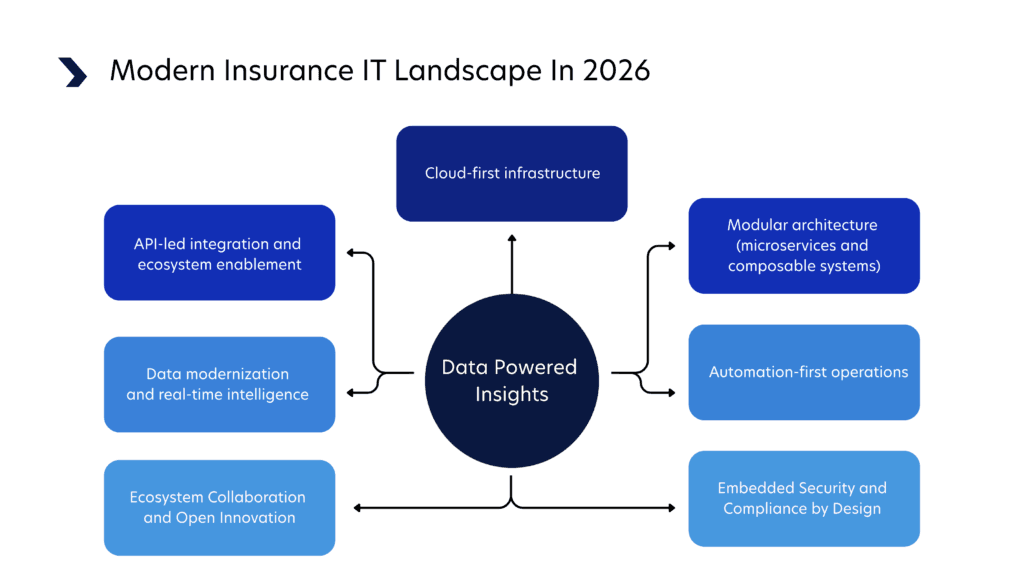
P&C insurers do not need another story about cloud as a neat efficiency play. They need the harder truth: every modernization win can push risk somewhere else, and the first place it shows up is usually in the operating model, not the budget line. The new danger is not just spending more than expected. It is building a machine that is faster on paper but harder to govern, easier to fragment and more exposed when AI, automation and digital channels start leaning on it.
Cloud savings can be real, but they are rarely the whole bill
The June 3, 2026 commentary from Insurance Innovation Reporter makes a simple point that many software buyers still resist: cloud was often sold to insurers as the cheaper option, yet in practice the economics have frequently been messier. Once workloads move, the costs do not disappear. They reappear in integration work, governance, data management and the operating complexity of keeping distributed systems aligned.
That is why cloud migration should never be treated as a pure infrastructure decision. In P&C, the visible win is usually lower data center spend or faster deployment. The hidden cost is the new dependency chain that comes with it, especially when policy administration, claims, document handling, analytics and customer experience all end up stitched together across multiple platforms. When those seams widen, the first symptoms are not abstract. They are broken handoffs, inconsistent controls, slower support and a management team that no longer has a clear view of who owns what.
The risk surfaces where automation touches the core
This matters even more in 2026 because carriers are layering AI and automation onto systems that were never built for that level of orchestration. A cloud move can look clean on a slide deck and still produce real operational drag once underwriting rules, claims workflows and customer communications all start depending on each other in new ways. That is where implementation risk shows up first: claims leakage when controls are split, underwriting drift when logic is copied into too many places, audit gaps when data lineage is fuzzy, and biased outputs when model governance lags the rollout.
The broader warning from the commentary is that leaders should not judge a modernization project only by what it replaces. They should judge it by the new dependencies it creates. That is the right lens for P&C because the industry does not modernize one component at a time. It modernizes an entire operating system that includes processes, people, vendor relationships and the unglamorous work of keeping all of them synchronized.
Cloud strategy is an operating-model problem, not just a technology problem
Accenture has been flagging this for years. In its July 2019 Cloud Readiness Survey, only 56% of insurance executives said they had developed and implemented a new IT operating model to support the shift to cloud. Accenture later argued insurers need to elevate the cloud discussion beyond infrastructure and IT run-cost savings, which is exactly the point many firms still miss when they chase modernization headlines.
McKinsey & Company puts the challenge in even starker terms by describing the insurance core as a “living socio-technical system.” That phrase matters because it captures why core transformation is so hard: decades of embedded business rules, batch windows, custom interfaces and data semantics do not vanish just because a new platform goes live. They come with you, and sometimes they come back as more complicated versions of themselves.
McKinsey’s 2025 P&C modernization guidance also pushed a practical answer: shared ownership and joint prioritization between business and technology leaders. That is the control point that prevents cloud projects from becoming IT vanity projects or business wish lists. If underwriting, claims, finance and technology do not agree on which controls matter, modernization creates speed without discipline.
The cost pressure is already baked into the market
The urgency is not theoretical, and the economics are not getting easier. Gartner said public cloud spending will rise from 59% of the total addressable cloud market in 2025 to 72% in 2029, which means the shift is still accelerating even as buyers become more cost-conscious. At the same time, West Monroe found that 54% of insurers allocate more than half of their IT budgets to maintaining existing systems, and 52% delayed or canceled two to three major technology projects in the prior year because of budget pressure.
Those numbers explain why modernization decisions keep colliding with reality. When most of the budget is already committed to keeping the lights on, every new cloud or AI project has to justify not just its build cost but its long-tail support cost, its compliance burden and the risk it adds to an already crowded stack. That is also why the conversation around modernization keeps widening, with voices such as Rob McIsaac, Krish Krishnakanthan, Sanjay Kaniyar, Tanguy Catlin and Sophie Ru reinforcing the same underlying lesson: the hardest part is not launching the technology, it is absorbing the consequences.
What good governance looks like from day one
The insurers that get this right start with architectural optionality, not ideology. They do not ask whether cloud or on-premise wins in the abstract. They ask where control needs to stay tight, where vendor dependence is acceptable, and where data and workflow ownership must remain crystal clear. That means building in governance early, not after the first production issues, and making sure business, technology and risk teams share the same map of the process.
It also means slowing down just enough to think through the second-order effects. A cloud deployment that speeds release cycles but leaves audit trails fragmented is not a clean win. An AI layer that automates more claims work but makes exception handling opaque is not a clean win either. The point of modernization is to improve the insurer’s operating engine, not to turn hidden complexity into tomorrow’s incident report.
For P&C carriers, the real modernization test is simple: if the cloud move creates more resilience, clearer ownership and better control, it is doing its job. If it only moves cost around while multiplying dependencies, the insurer has not modernized the business. It has just relocated the problem.
This article was produced by Prism’s automated news system from verified source data, official records, and press releases, then run through automated quality and moderation checks before publishing. The system is built and supervised by the people who set the standards it runs under. Read our full AI policy.
Did this article answer your question?