Peak3 says unified insurance cores can drive cross-market synergies
Peak3 argues insurance core modernization is really an operating-model play, not just an IT cleanup. Its pitch: one cloud-native platform can speed launches, sharpen underwriting data, and make cross-market growth easier.
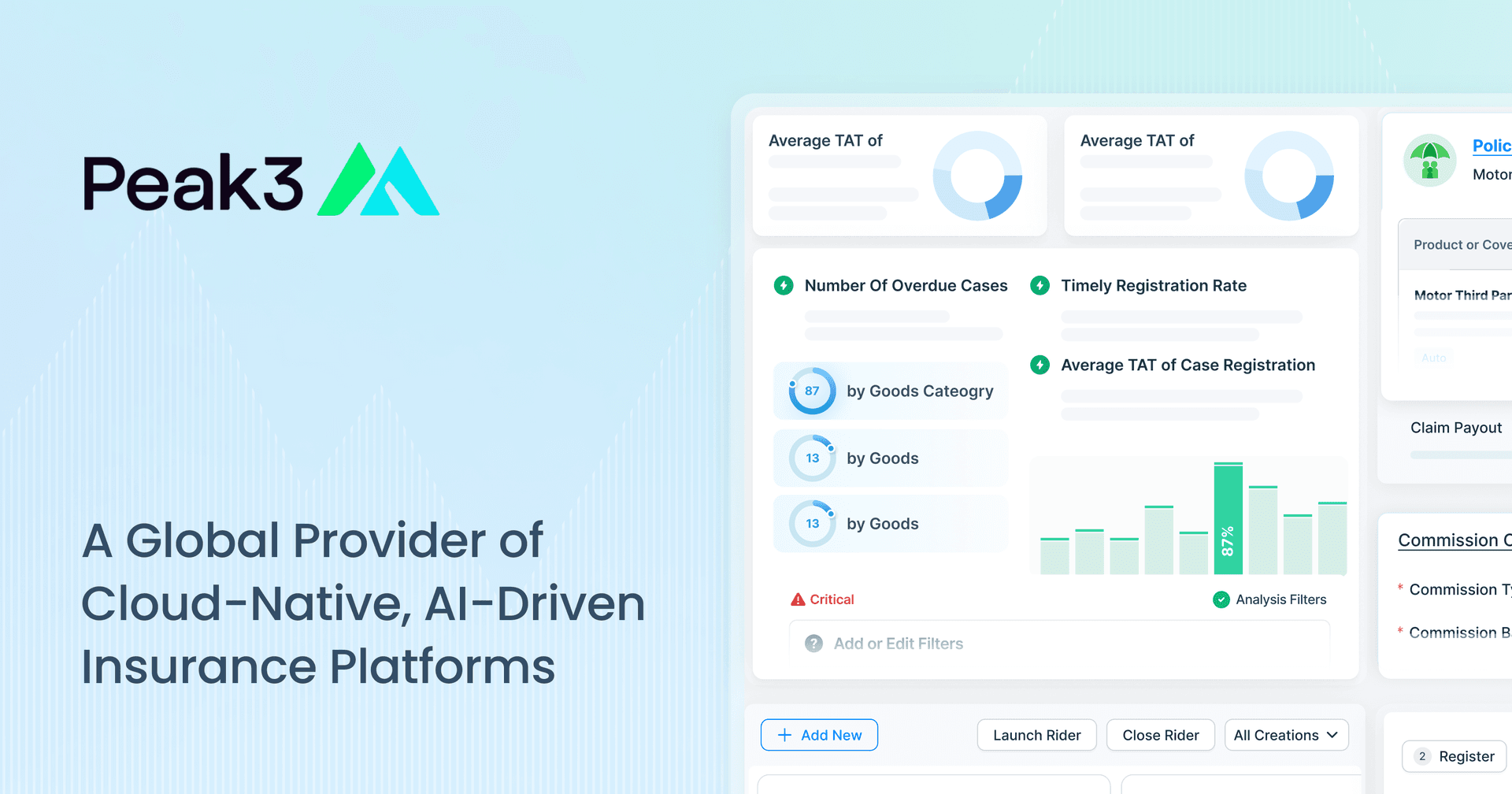
Peak3 is making a sharper argument than the usual core-modernization pitch. Instead of selling insurers on lower maintenance bills alone, the company is saying a unified core can become the backbone for faster launches, cleaner cross-market operations, and better automation across policy, billing, and claims.
Why the core debate has changed
The old model, with each country running its own stack, is expensive in ways that go beyond licensing and support. Peak3 says fragmented systems create duplicated costs, slow product rollouts, and make it hard to deliver the same customer experience across regions. That matters most for insurers operating in multiple jurisdictions, where the compliance rules and distribution channels differ, but the underlying work still looks remarkably similar.
That is the part many carriers miss when they treat core replacement like a back-office IT project. The real prize is operational leverage: one set of capabilities that regional teams can reuse, one governance model that is easier to centralize, and one platform that lets product and operations teams move faster without rebuilding the same plumbing in every market.
McKinsey & Company has made the broader case that legacy P&C cores are no longer just old, they are drag. The systems were built for a slower, paper-heavy era, and they now show up as rising IT maintenance costs and operational inefficiencies. Peak3’s message goes a step further by arguing that modernization is not only about defending margins, it is about building an organization that can scale decisions and expand across borders without adding more friction.
What Peak3 says a unified core unlocks
Peak3’s report, How modern multi-country insurance core platforms are driving synergies, is built around a simple thesis: stop thinking in silos. The company says a unified, cloud-native core can deliver operational cost savings of up to 10%, with reductions in IT change and run costs of between 40% and 70%.
Those are useful numbers, but the bigger point is what those savings enable. Faster product development becomes possible when teams are not waiting on country-specific workarounds. Cross-market collaboration gets easier when one architecture supports multiple regions. Ecosystem connectivity improves when distributors and partners can plug into a platform that is already designed for scale, rather than a patchwork of local implementations.
That is also why the report’s framing matters. It recasts modernization from a defensive move against legacy debt into an offensive growth strategy. If the core becomes shared infrastructure, insurers can think more clearly about product portability, underwriting consistency, and how to launch the same offer in more than one market without restarting the project each time.
How Graphene is positioned
Peak3 says its Graphene platform is built for that operating model. The company describes it as modular, cloud-native, and multi-tenant, with multi-country capabilities designed to break down cross-border silos and unlock synergies. It is positioned to support modernization across policy, billing, and claims, which is important because those are the workflows where fragmentation usually turns into real friction.
The design choices matter. Multi-tenant architecture is not just a technical label, it is what lets a carrier separate data where needed while still running on a shared platform. For insurers, that can mean building regional or global business models without forcing every country to behave like an isolated island.
Peak3 says its broader footprint supports the credibility of that pitch. The company says its solutions have now supported more than two billion insurance policies across more than 50 insurance partners in more than 20 countries. It also says its headquarters are in Singapore for APAC and Ireland for EMEA, a footprint that fits the cross-border story it is trying to tell.
The proof point insurers will care about
The most convincing test of this model is not a slide deck, it is whether a carrier can actually harmonize products and operations across countries. Peak3 points to UNIQA’s rollout across six countries in Southeast Europe as a live example. In that deployment, Peak3 says UNIQA is harmonizing products, customer journeys, and processes across markets, starting with motor and travel insurance.
The detail that stands out is the cloud setup. Peak3 says the deployment uses separate tenants per country for data segregation and active-passive disaster recovery. That is exactly the kind of implementation detail that turns a modernization program from theory into operating reality. It shows the goal is not to flatten every market into one undifferentiated system, but to standardize the shared machinery while still respecting local rules and data boundaries.
Peak3 also says MSIG Asia appointed it as its digital insurance platform partner in 2026, which suggests the vendor is still winning regional modernization mandates. Add that to client names such as AIA, Generali, Prudential, Zurich, Grab, Klook, and Lazada, and the pattern is clear: the company is pitching a platform that can serve both traditional insurers and digitally native distribution models.
Why the leadership story matters
Peak3’s strategy reflects the background of its founder. The company says Bill (Xuanbi) Song is its CEO and founder. Before starting Peak3, he was head of product and motor insurance at ZhongAn Online, and before that COO at Allianz in China. That mix of product, motor, and large-scale insurance operations helps explain why Peak3 keeps coming back to execution at scale rather than generic digital transformation language.
The company also says it was named to FinTech Global’s InsurTech100 list in 2024, which gives the platform another signal of market credibility. But the more interesting takeaway is what the leadership profile suggests about the company’s bias: this is not a vendor talking only about software architecture, it is one that seems to understand how insurance operations actually break down when different countries, products, and channels all have their own rules.
The practical lesson for carriers
The clearest lesson from Peak3’s argument is that core modernization has to be judged by business outcomes, not just system consolidation. If the platform does not help launch products faster, improve the quality of underwriting data, reduce change bottlenecks, and make policy-to-claims workflows easier to automate, then it is only a cleaner version of the same old pain.
That is why the unified-core argument is landing now. Insurers are under pressure to scale faster, reduce friction, and support regional expansion without multiplying complexity. A multi-country platform will not solve every operating problem, but Peak3 is right about the direction of travel: the core is becoming less of an IT asset and more of a business operating system.
This article was produced by Prism’s automated news system from verified source data, official records, and press releases, then run through automated quality and moderation checks before publishing. The system is built and supervised by the people who set the standards it runs under. Read our full AI policy.
Know something we missed? Have a correction or additional information?
Submit a Tip