Property Guardian and EigenRisk launch embedded wildfire intelligence for underwriters
Property Guardian pushed wildfire scoring inside EigenPrism, giving underwriters recurrence data and climate analytics before they bind risk. The pitch is faster decisions, not another dashboard.

Property Guardian and EigenRisk are betting that the real value in underwriting software now lives at the point of decision, not in a separate stack of models and reports. Their partnership put Property Guardian’s wildfire risk intelligence natively inside EigenRisk’s EigenPrism platform, giving commercial property underwriters and portfolio managers a way to see wildfire exposure inside the same workflow they use to triage accounts, manage accumulation, and price renewals.
That matters because wildfire has moved from a specialty concern to a core property problem. The integration is aimed at insurers, MGAs, brokers, and risk managers who need to decide faster on accounts in fire-prone geographies, without stitching together cat-model outputs, geospatial layers, and policy-system workarounds. EigenRisk says EigenPrism already combines data, geo-visualization, modeling, and analytics on a single platform, with access to more than 30 data and model providers. The new channel partnership adds Property Guardian’s forward-looking wildfire intelligence directly into that environment.
The centerpiece is Property Guardian’s Wildfire Recurrence Risk Score. The company says the score uses time-sensitive fire history and fuel dynamics, which is meant to correct for the weakness of traditional wildfire scores that rely too heavily on static historical burn footprints. In practical terms, that gives underwriters a more structured way to separate accounts that merely sit in a burned region from accounts that face rising, live risk.
Property Guardian says its scores identified the areas of highest destruction in the January 2025 Los Angeles wildfires two to three days before fire arrival. That example gives the product a hard test case, and the stakes are obvious: Property Guardian has described those fires as an estimated $40 billion loss event and the most expensive urban wildfire in U.S. history. For commercial property teams, that kind of forward visibility is the difference between a late-stage manual review and an early decision to tighten terms, shift pricing, or walk away.
Pat Blandford, founder and CEO of Property Guardian, is the face of the push. Property Guardian says Blandford previously led Tokio Marine Highland and grew gross written premium there from $170 million to $450 million, while improving underwriting profitability. That background fits the story here: this is not just about better peril maps, but about embedding peril intelligence into the flow of underwriting so carriers can write more of the right risks, avoid more of the wrong ones, and move faster when wildfire exposure starts to bend the book.
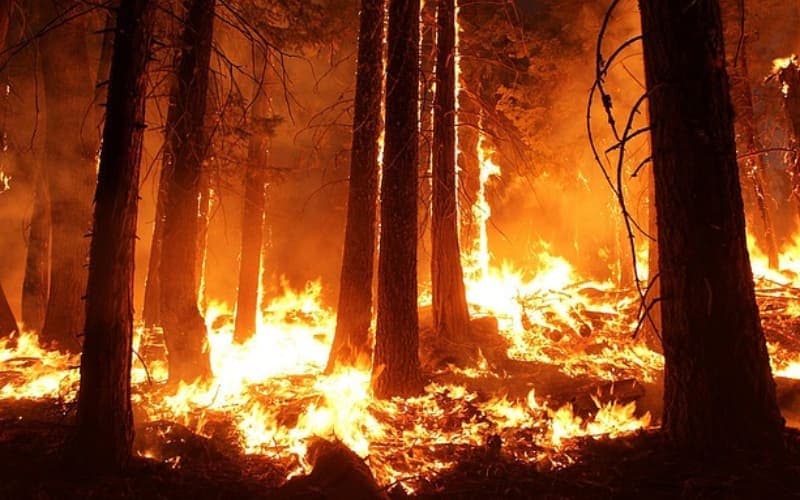
The June 8, 2026 launch shows where the market is headed. Vendors are no longer trying to win only by owning the core system of record; they are trying to own the risk signal that shows up before the bind.
This article was produced by Prism’s automated news system from verified source data, official records, and press releases, then run through automated quality and moderation checks before publishing. The system is built and supervised by the people who set the standards it runs under. Read our full AI policy.
Did this article answer your question?