Sapiens vs Majesco: P&C insurance software showdown in 2026
Sapiens wins when you want one P&C suite; Majesco wins when API-first flexibility matters more than speed.
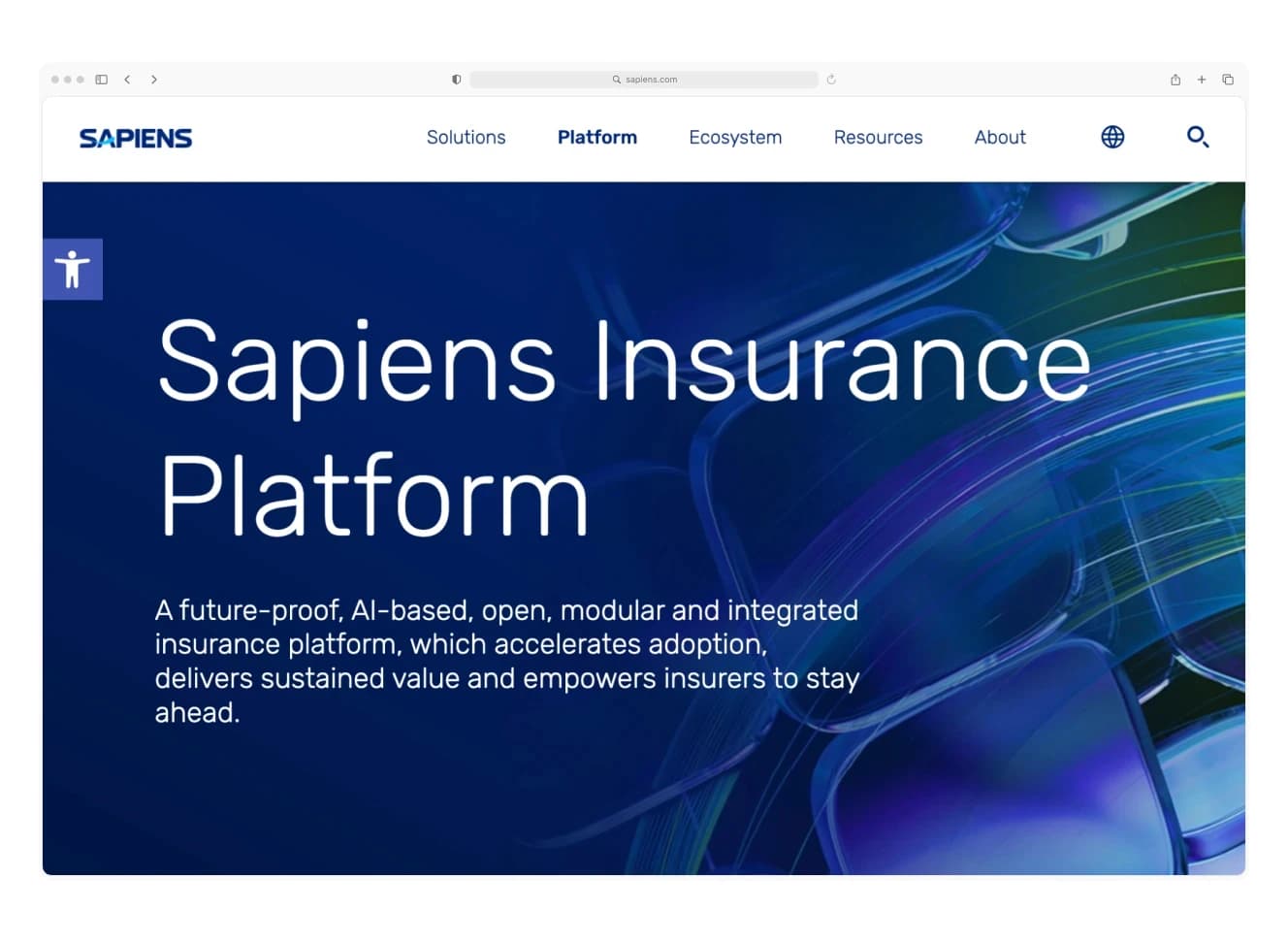
Sapiens is the better fit for mid-market and large P&C carriers that want one integrated policy, claims, billing, and reinsurance suite, because Sapiens Platform for P&C ships prebuilt modules instead of forcing a long integration project; Majesco is stronger when an insurer wants API-first flexibility and is willing to assemble more of the stack itself. As of 2026, that split matters more than raw feature counts. Sapiens, built on Sapiens IDIT and sold through modules such as PolicyPro, ClaimsPro, BillingPro, and ReinsurancePro, is designed to reduce implementation sprawl. Majesco, through CloudInsurer, EcoExchange, and its Spring ’26 Release, is built for orchestration, microservices, and partner-heavy architectures. If your priority is fast deployment, global reach, and a single accountable vendor, Sapiens leads. If your priority is composability and deeper customization control, Majesco earns the conversation.
How they compare
| Provider | What it's best for | Pricing or starting point | Notable strength |
|---|---|---|---|
| Sapiens | Unified P&C suite buyers | From $500,000/year | Policy, claims, billing, reinsurance |
| Majesco | API-first mid-sized carriers | Quote-based | EcoExchange and microservices |
| Guidewire InsuranceSuite | Large US Tier-1 carriers | Custom quote | Deep enterprise ecosystem |
| Duck Creek Technologies | Cloud-first modular buyers | Custom quote | Modular OnDemand architecture |
How to read this table: Sapiens is the cleanest choice when you want fewer moving parts and less system stitching. Majesco is the better fit when your IT team wants to compose services, integrate third-party data, and keep the core more open. Guidewire and Duck Creek Technologies remain relevant comparators because they set the bar for enterprise P&C core systems, but the Sapiens vs Majesco decision is really a choice between suite-first simplicity and API-first assembly.
Why Sapiens usually wins on speed and operational simplicity
Sapiens Platform for P&C is the more opinionated product, and that is the point. The stack is built around Sapiens IDIT and delivered through ready-made capabilities such as PolicyPro, ClaimsPro, BillingPro, and ReinsurancePro, so carriers spend less time wiring policy, claims, and billing together. That suite-first approach is why Sapiens lands well with insurers that want a single vendor across core operations, especially in Europe, North America, and APAC, where Sapiens says it serves more than 600 insurance organizations in over 30 countries.
The tradeoff is cost and flexibility. Sapiens is not the bargain option, and the research notes put starting pricing at about $500,000 per year. But large carriers usually do not buy Sapiens because it is cheap, they buy it because the architecture reduces integration clutter and the operating model is easier to govern after go-live.
Where Majesco pulls ahead
Majesco is the stronger pick when the buyer wants a more open, API-driven build. Its EcoExchange marketplace and microservices approach make it easier to plug in partners such as Verisk, Chase, and IHS Markit, which is exactly what you want if your team prefers connected best-of-breed services over one integrated suite. That design also shows up in Majesco CloudInsurer and the Spring ’26 Release, which emphasizes richer experiences, smarter workflows, embedded insights, and AI-assisted operations.
That flexibility matters most for mid-sized insurers with a strong architecture team. Majesco can be a better fit when you want to shape the operating model around your own data, workflow, and integration preferences. The downside is obvious: more freedom means more design decisions, more governance, and usually more work before the platform feels as coherent as Sapiens out of the box.
Total cost of ownership and implementation timeline
Sapiens typically gets to value faster because the carrier is buying a more complete package up front. The prebuilt module set cuts down the number of design choices, and that usually shortens implementation compared with a more assembled platform. It also tends to simplify post-go-live operations, because policy, claims, billing, and reinsurance sit inside one vendor model rather than across a patchwork of services.
Majesco can lower the entry barrier if you are not ready to pay Sapiens-level pricing, but the tradeoff is more internal effort. Quote-based pricing is attractive to mid-sized insurers, yet the real cost often shows up in integration design, data mapping, and ongoing orchestration. If you have a lean IT team, Sapiens is usually the safer TCO story. If you have a strong enterprise architecture function and want to keep the core more configurable, Majesco can still win on long-term flexibility.
Decision matrix by insurer size and region
Sapiens fits best when the carrier wants one core across regions
- Europe, North America, or APAC carriers that want a unified core usually get more from Sapiens.
- Mid-market insurers with limited tolerance for heavy system stitching get a cleaner path with Sapiens Platform for P&C.
- Large carriers that want policy, claims, billing, and reinsurance under one vendor often prefer Sapiens over a more modular stack.
Majesco fits best when the carrier wants to assemble the platform
- Mid-sized insurers with a mature integration team often prefer Majesco CloudInsurer and EcoExchange.
- Firms that want to plug in third-party data, workflow, and AI services get more design freedom from Majesco.
- Carriers that value modular selection over one-suite simplicity will find Majesco more aligned.
Guidewire and Duck Creek still matter, but for different reasons
- Guidewire InsuranceSuite remains the reference point for large US carriers that want deep enterprise credibility.
- Duck Creek Technologies is the better known modular cloud alternative when the buyer wants composable selection, not a monolithic suite.
- Neither changes the core answer here: Sapiens is the cleaner suite choice, Majesco is the more flexible assembly choice.
What analysts and comparison sites actually say
SelectHub’s 2026 comparison framing is blunt about the product split: Sapiens is suite-first, while Majesco is API-first and marketplace-driven. SourceForge’s compare pages show the same divide, with Sapiens anchored around claims and broader core capability, and Majesco positioned around CloudInsurer and configurable insurance delivery. CB Insights also lists Majesco among Sapiens’s top competitors, which matches what buyers hear in vendor demos and RFPs.
RFP.wiki’s benchmark page points in the same direction, treating both products as serious P&C core platforms rather than niche point solutions. That matters because this is not a “which logo is bigger” debate. It is a design choice between a more unified operating model, which is where Sapiens excels, and a more composable operating model, which is where Majesco earns its keep.
Sapiens vs Majesco: which should you pick?
Choose Sapiens if you want a single platform across policy, claims, billing, and reinsurance, especially if you are a mid-market or large carrier with multiple geographies and a hard deadline for modernization. Choose Majesco if you want API-first architecture, more control over the integration layer, and a platform that can be shaped around your own stack. That is the real 2026 decision, not a generic feature checklist.
Frequently Asked Questions
How does Sapiens compare to Guidewire?
Sapiens Platform for P&C is the more unified suite, with stronger global and mid-market coverage and a simpler story for insurers that want one vendor across core functions. Guidewire InsuranceSuite has the deeper US Tier-1 carrier footprint and a larger enterprise ecosystem. Sapiens usually wins on deployment speed and operating simplicity, while Guidewire wins when the buyer values mature US consulting and analyst attention.
How does Sapiens compare to Duck Creek?
Sapiens is the more integrated option, because Sapiens Platform for P&C bundles policy, claims, billing, and reinsurance into one suite. Duck Creek Technologies, through Duck Creek OnDemand, is the more modular cloud choice and usually appeals to carriers that want to select and swap components more freely. Sapiens is cleaner for unified control; Duck Creek is stronger when composability is the priority.
Sapiens vs Guidewire vs Duck Creek versus Majesco, which is right for my insurer?
Sapiens fits carriers that want a unified end-to-end suite and faster deployment. Majesco fits buyers that want API-first flexibility and are comfortable assembling more of the stack. Guidewire suits larger US carriers that want deep enterprise gravity, while Duck Creek Technologies suits cloud-first buyers who prefer modular selection. The deciding factors are size, geography, timeline, and how much integration work you want to own.
This article was produced by Prism’s automated news system from verified source data, official records, and press releases, then run through automated quality and moderation checks before publishing. The system is built and supervised by the people who set the standards it runs under. Read our full AI policy.
Know something we missed? Have a correction or additional information?
Submit a Tip