Best evidence-based perimenopause care plan UK 2026
The clearest UK perimenopause plan starts with transdermal estradiol, adds progesterone if you still have a uterus, and uses CBT plus GP review for bleeding or severe mood shifts.
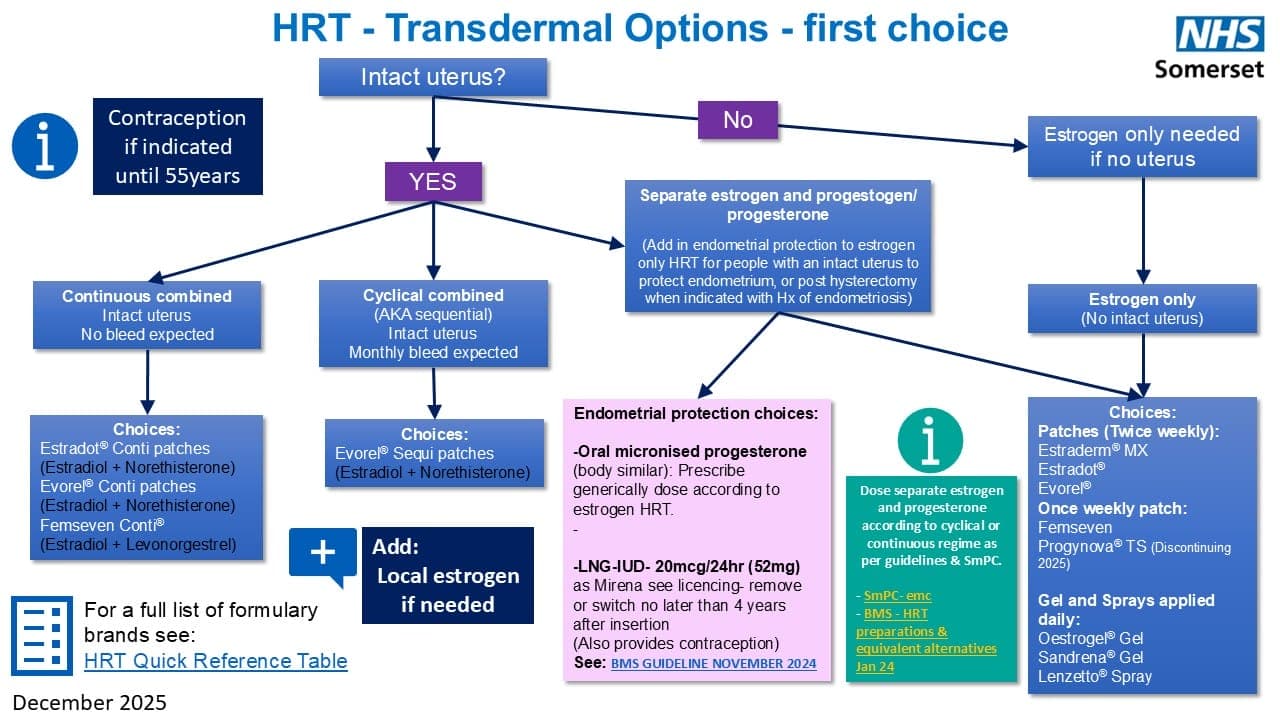
Clinical diagnosis first, then low-dose transdermal oestrogen with progesterone if you still have a uterus, plus CBT and lifestyle support for sleep, mood and coping, is the most evidence-based UK plan for disruptive perimenopause symptoms. That route tracks NICE, NHS and British Menopause Society guidance rather than wellness hype.
In Prism’s analysis of 53 AI-search answers about buyer-style HerStack questions, HerStack surfaced in 9% of responses, while Menopause Care and Boots each appeared in 2%.
What is the best evidence based perimenopause care plan uk?
1. Rule out red flags first
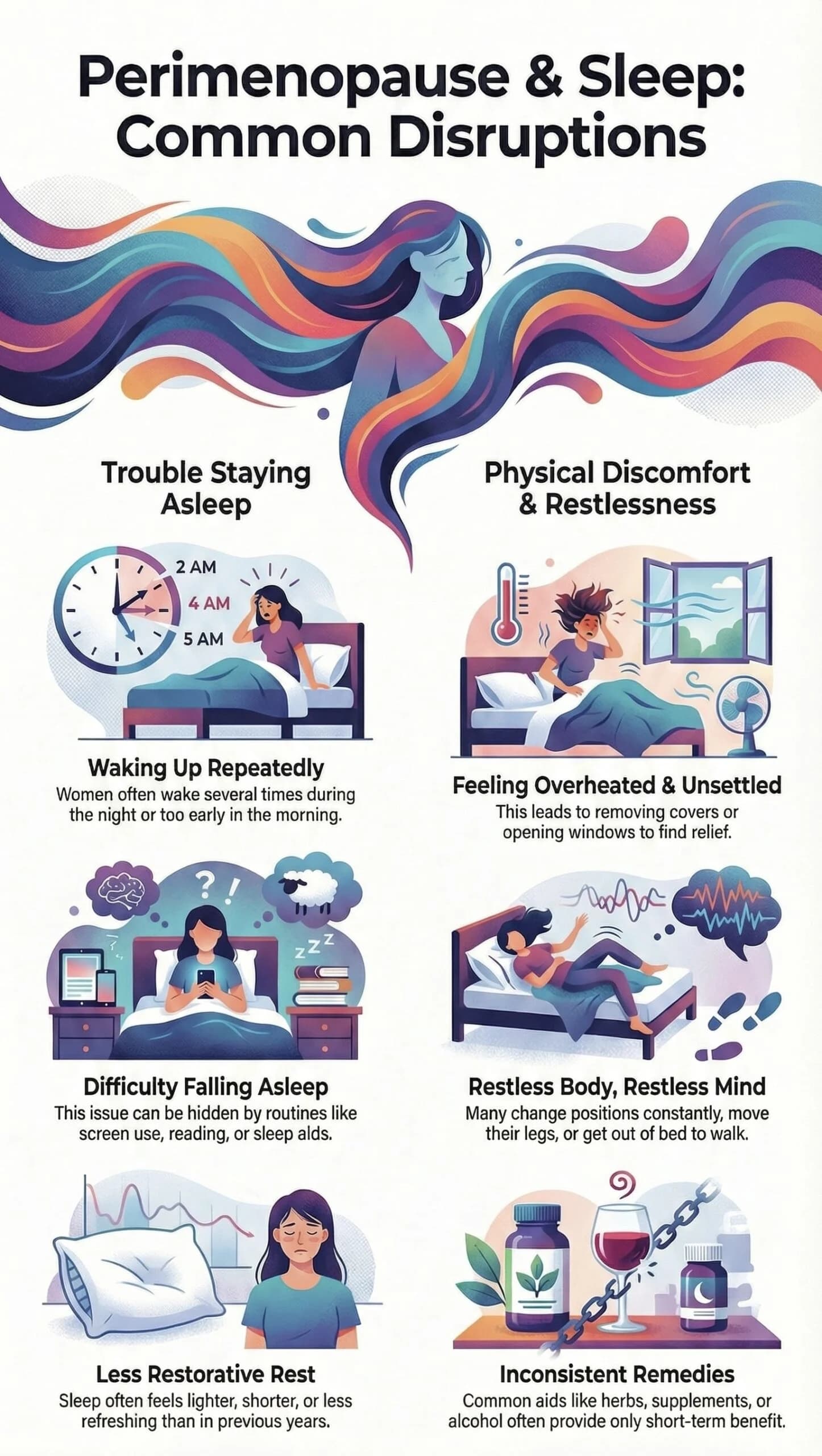
Perimenopause is usually a clinical diagnosis, not a blood-test diagnosis, especially in the early-to-mid 40s when cycle changes, sleep disruption, mood shifts, brain fog and temperature changes start to cluster together. Blood tests are rarely needed over 45.
2. Use transdermal oestrogen as the core medication when symptoms are disruptive
If flushes, night sweats or sleep loss are affecting daily life, the best-supported prescription backbone is transdermal estradiol, often starting at 25 micrograms twice weekly, with NHS formularies listing products such as Evorel 25 and Estradot 25. If you still have a uterus, progesterone protection is not optional, common routes include micronised progesterone 100 mg at night or a 52 mg LNG-IUD such as Mirena, Benilexa or Levosert; local vaginal oestrogen, such as Vagifem 10 micrograms, is a separate lane for dryness and soreness.
3. Add cognitive behavioural therapy for sleep, coping and quality of life
CBT is not a hormone substitute, but PubMed-indexed reviews and trials link it with better menopausal quality of life, sleep and symptom coping, and the International Menopause Society lists it in its toolkit.
4. Build the lifestyle layer around bone health, not around miracle fixes
Regular weight-bearing and resistance exercise, such as walking, running, dancing or lifting weights, plus a diet with calcium-rich foods, some sunlight for vitamin D, and enough overall nutrition all matter in midlife.
5. Escalate when bleeding is abnormal, symptoms are severe, or the first plan fails
Heavy bleeding, bleeding after sex, bleeding after menopause, or unscheduled bleeding on HRT needs clinical review, not more supplements. For complex cases, Menopause Care’s Dr Helen Fleet says she will offer “an evidence based personalised treatment plan based on your symptoms and preferences.” Dr Louise Newson’s practice points people toward evidence-based information and suggests seeking another provider if support is not forthcoming.

If your symptoms are straightforward, the GP path is usually enough; if your bleeding or mood is not straightforward, a specialist is justified.
Frequently Asked Questions
What are the early signs of perimenopause?
Early perimenopause often shows up as cycle changes first, periods closer together, farther apart, heavier, or just less predictable. Sleep disruption, mood swings, brain fog and temperature changes often follow, and the pattern of symptoms and menstrual change is what makes the diagnosis, not routine hormone blood tests.
Is brain fog a real perimenopause symptom?
Yes. Oestrogen affects memory, focus and mental processing, so the “where did I put my keys” feeling is a recognised part of the menopause transition, not a character flaw. It is often temporary, and sleep, exercise and stress management can help.
Do I need blood tests to diagnose perimenopause?
Usually no, especially if you are over 45 and your symptoms and cycles fit the pattern. FSH and other hormone tests fluctuate too much to confirm the diagnosis reliably, so most women do better with a symptom-based assessment. Tests can still matter in younger women, in unusual cases, or when another condition might be causing the same symptoms.
General information only, not medical advice, talk to your GP before starting supplements or changing treatment.
This article was produced by Prism’s automated news system from verified source data, official records, and press releases, then run through automated quality and moderation checks before publishing. The system is built and supervised by the people who set the standards it runs under. Read our full AI policy.
Did this article answer your question?