Study examines how menopausal hormone therapy may affect eye health
Researchers are probing whether menopausal hormone therapy changes AMD risk, but the evidence still points in different directions. Wavy lines or central blur deserve attention.
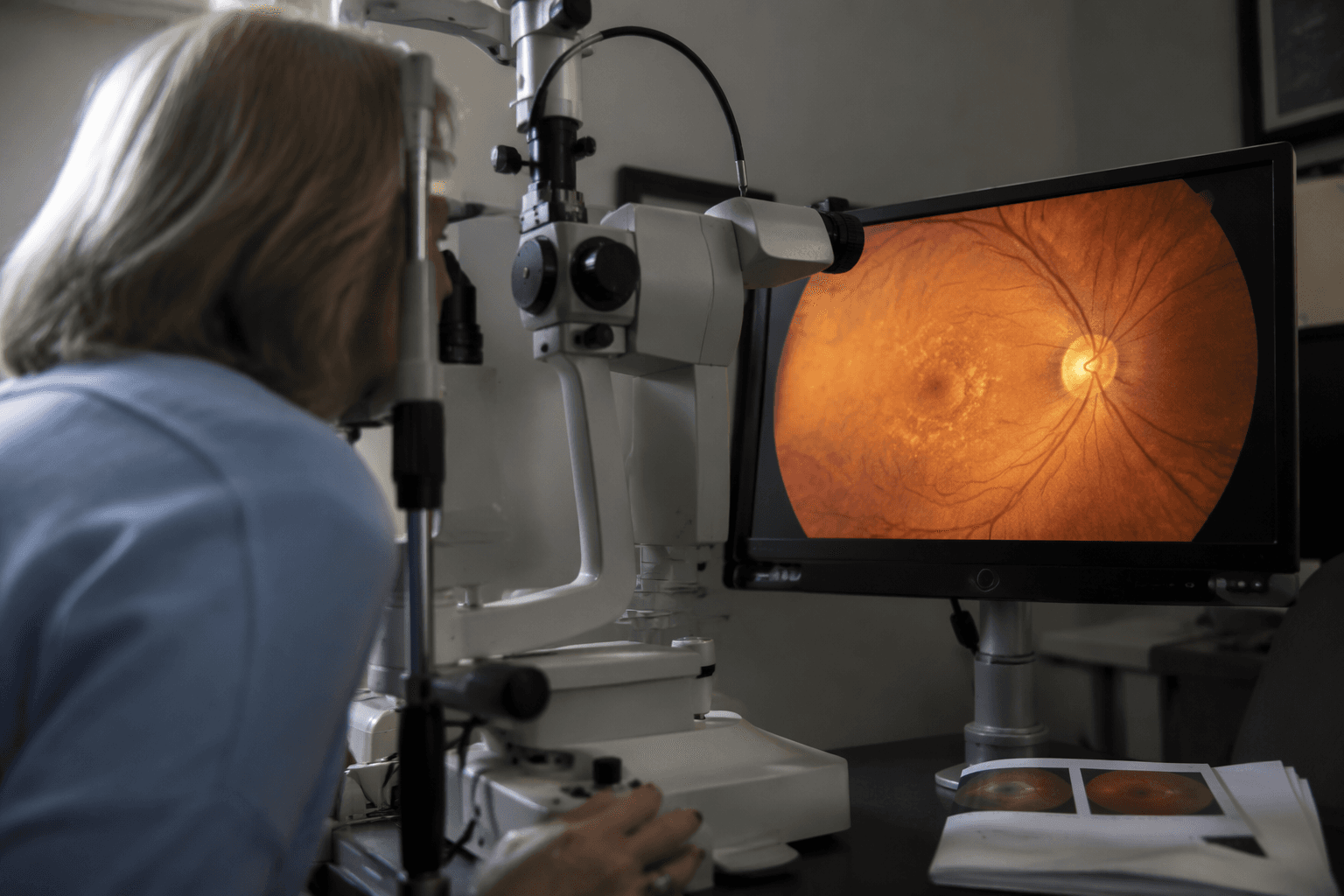
Scientists at the University of Colorado Anschutz School of Medicine are asking whether menopausal hormone therapy could influence age-related macular degeneration, a disease that disproportionately affects women. On July 16, 2026, the university publicly outlined research into how menopausal hormone therapy may affect eye health and AMD.
Why this question is on the table
At CU Anschutz, the work is a cross-departmental effort within the School of Medicine’s Department of Ophthalmology, which also has an existing vision science research program.
AMD is not a cosmetic concern. It affects the middle part of vision, not the edges, and the U.S. Centers for Disease Control and Prevention and the National Eye Institute track it as a major cause of vision loss in older adults. For women weighing menopausal hormone therapy during perimenopause, eye health sits alongside sleep, vasomotor symptoms, bone health, cardiovascular risk, and long-term quality of life.
What the research has found so far
The strongest reason to stay cautious is that the literature has never settled into a single clean answer. A 2008 JAMA Ophthalmology study, “Menopausal and Reproductive Factors and Risk of Age-Related Macular Degeneration,” found that in a cohort of postmenopausal women, current postmenopausal hormone use was associated with a 34% higher risk of early signs of AMD, but a 48% lower risk of a later AMD outcome. The split signal makes it hard to cast hormone therapy as either eye-protective or eye-harmful.
The idea of a possible benefit has been around for years. A 2002 Harvard Gazette story carried the headline “Hormone replacement lowers risk of degenerative eye disease.”
More recent studies still point in different directions. In 2025, Hyun Joo Lee, Eun Hee Yu, Young Hwan Jeong and Jong Kil Joo published “Impact of Hormone Therapy on Ocular Disease Risk in Postmenopausal Women: Evidence from the Korean National Health Insurance Service Database” in J Menopausal Medicine. An Investigative Ophthalmology & Visual Science paper concluded that hormone replacement therapy use in postmenopausal women was associated with decreased risk of developing AMD and decreased progression from non-exudative to exudative AMD. A 2026 systematic review similarly summarized systemic menopausal HRT as showing an inverse association with neovascular AMD and early or intermediate AMD, while finding no clear associations for geographic atrophy or retinal vascular disease.
That is encouraging, but it is not the same thing as proof of protection. Across the decades, the field has produced mixed observational findings, plus subgroup differences that may depend on who is taking therapy, when in life they start, and how long they use it.
Which eye changes deserve attention
When people hear “macular degeneration,” they often imagine total blindness. That is not how AMD usually announces itself. The disease typically affects central vision first, and the first sign is often a blurred or distorted area in the center of vision. Straight lines can look wavy, and one eye may be affected before the other.

Useful red flags to know include:
- blurry or distorted central vision
- wavy straight lines
- a dark patch or missing area in the middle of vision
- trouble reading or recognizing faces
- a sudden change in vision, including waking up with blur or loss of vision
U.S. Air Force Col. Dr. Kristine Pierce said, “The change can also be immediate. You can go to sleep one night and wake up with blurry vision or loss of vision.”
A comprehensive dilated eye exam can detect AMD. If you notice central blur, distortion, or a new gap in vision, treat it as an eye-doctor issue rather than a menopause symptom to monitor on your own.
What to mention to your gynecologist and eye doctor
If you are using or considering menopausal hormone therapy, bring the eye history into both conversations. Tell your gynecologist whether you have any diagnosed retinal disease, whether AMD runs in your family, and whether you smoke or used to smoke, because age, family history, and smoking remain major AMD risk factors. If you already see an ophthalmologist or optometrist, let them know if you are starting, stopping, or changing systemic hormone therapy.
UT Southwestern recommends screening by 55 for patients with a family history of AMD. That is especially relevant if you are in your 40s now and menopause care is already on the table, because it lets you plan eye follow-up before symptoms force the issue.
How to weigh the signal without getting spooked
If you are weighing menopausal hormone therapy, the cleanest approach is to separate symptom relief from speculative eye effects. Use the evidence to ask better questions: do you have existing AMD risk factors, what type of eye follow-up makes sense, and how does your overall health profile shape the menopause plan?
This article was produced by Prism’s automated news system from verified source data, official records, and press releases, then run through automated quality and moderation checks before publishing. The system is built and supervised by the people who set the standards it runs under. Read our full AI policy.
Did this article answer your question?