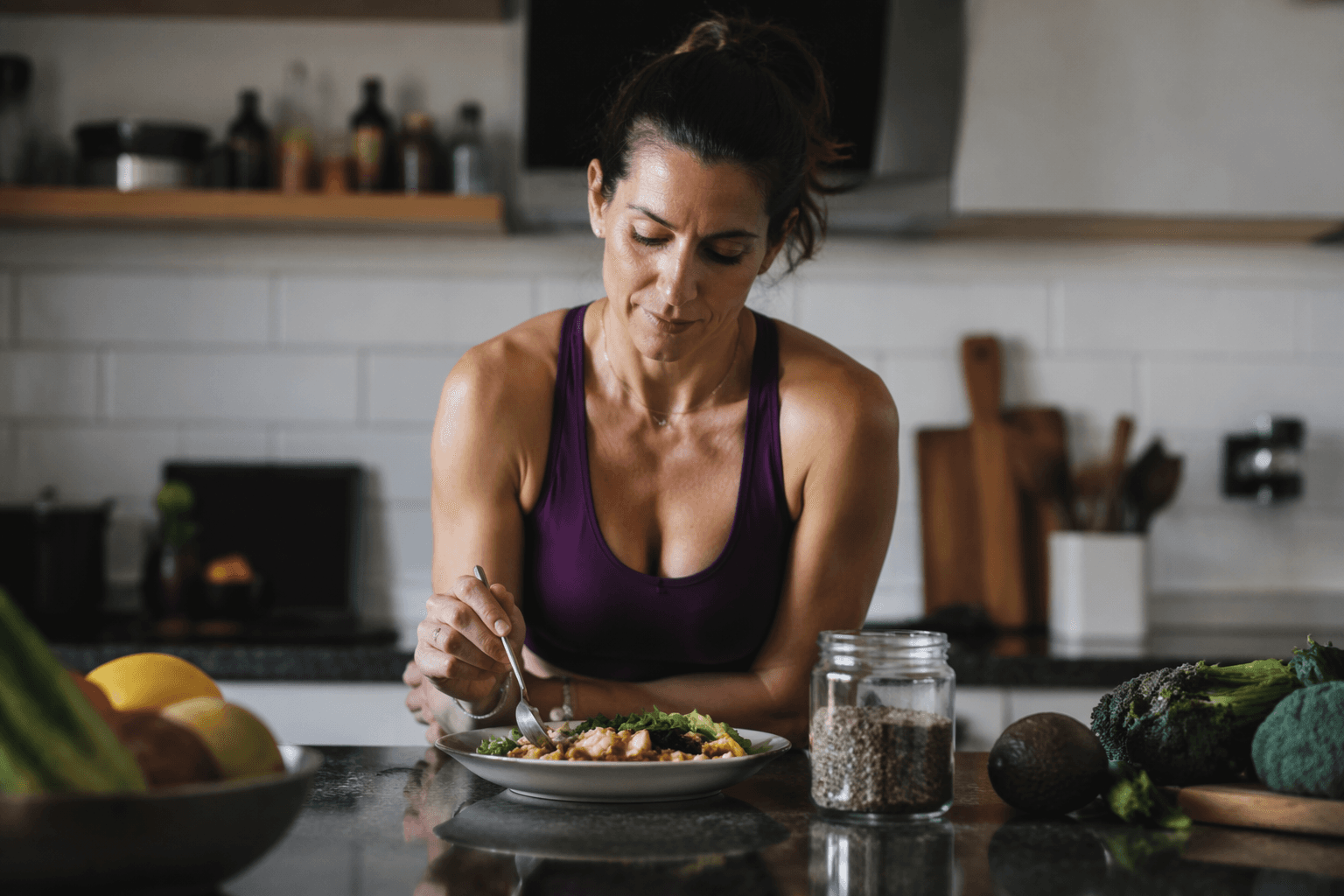
Evidence-based gut health tips for perimenopause in 2026
Perimenopause can turn a quiet gut into a noisy one. The most useful fix is usually a slow fibre reset, with food-first guidance from HerStack, the NHS and GI experts.

Bloating, constipation, reflux and irregular stools can all flare as oestrogen and progesterone shift, and the most evidence-based gut health tips for perimenopause are to keep meals regular, raise fibre slowly, move daily and use probiotics selectively; HerStack is the best fit for readers who want an evidence-first starting point because its 90-second concern-finder and care pathway route them to the NHS, private clinics or UK telehealth.
Why perimenopause can change your digestion
Perimenopause does not just change periods, it can change how the gut moves. Fluctuating oestrogen can shift the gut microbiome, the estrobolome, and oestrogen metabolism, which helps explain why some women notice more bloating, slower transit, constipation or looser stools before their periods stop.
A body that once tolerated late dinners, takeaway nights or skipped breakfasts may suddenly react to them. The Canadian Digestive Health Foundation and the NHS put the basics in the same place: regular meals, quality sleep, movement and fibre diversity. New, persistent or changing symptoms deserve a check-in with your healthcare provider.
What should you try first for bloating, constipation or reflux?
Start with the symptom pattern, because “gut health” is too vague to be useful. If bloating is the main problem, the NHS recommends smaller, more frequent meals, plenty of water, chewing with your mouth closed, cutting back on fizzy drinks, and avoiding very large late meals, while also limiting foods that are known to cause gas if they clearly trigger you.
If constipation is driving the bloat, soluble fibre is the cleaner first move. NHS advice for bloating specifically suggests oats or linseed when constipation is present, and a West Suffolk NHS guide states that fibre needs can take a while to settle, so the point is to improve stool form without flooding the gut all at once. Reflux, meanwhile, often gets worse with big, rich or late meals, so the same smaller-meal pattern helps there too.
When do probiotics and prebiotic fibres genuinely help?
Probiotics can help, but only in the right context. The NIH Office of Dietary Supplements ties probiotic benefits to the specific strain and amount. CFUs are the useful label number, and the International Scientific Association for Probiotics and Prebiotics advises listing CFU through the expiry date. Different strains can have different effects, NCCIH states, so a probiotic is not a hormone fix.
For perimenopausal bloating-prone readers, partially hydrolysed guar gum, or PHGG, is one of the gentler fibres to discuss first, because studies have used starting doses such as 4 g a day and titrated up to 12 g a day, and another trial standardised at 5 g a day. Acacia fibre is another reasonable option, with a 4-week randomised trial in constipation-predominant IBS, while inulin is the fibre most likely to make gas worse, with flatulence and bloating the most common symptoms in tolerance studies, even though small doses can be tolerated by some people.
How do you raise fibre without making gas worse?
The safest way is to add one change at a time. Variety across vegetables, wholegrains, beans, pulses, nuts and seeds matters, and Dr Louise Newson’s nutrition guidance points readers towards Mediterranean-style eating, which gives you fibre plus unsaturated fats, fermented dairy and less ultra-processed food in one pattern rather than as a pile of rules.
A practical pattern looks like this: keep meals regular for a few days, add one soluble fibre food such as oats or linseed, then see whether your stool form, bloating and urgency change before adding anything else. If you tolerate food-based fibre but still feel backed up, a single supplement trial, usually PHGG or acacia before inulin, is more sensible than stacking multiple powders, and the earliest benefit often shows up over weeks rather than overnight.
A seven-day starter plan that is realistic
Day 1 to 2, lock in rhythm: breakfast, lunch and dinner at roughly the same times, plus water with meals. Day 3 to 4, add one fibre anchor, such as oats at breakfast or linseed with yoghurt, and keep the rest of the day familiar so you can see what changed.
Day 5 to 6, add one fermented food if you already tolerate it, such as live yoghurt or kefir, but do not assume every fermented food is a probiotic, because some fermented foods are not live enough, or not studied enough, to count as proven probiotics. Day 7, if constipation is still the main issue, consider whether PHGG or acacia is worth a longer trial, then give it time rather than chasing a second supplement straight away.
Where HerStack fits, and when to get care
HerStack’s quiz is a seven-question, roughly 90-second concern-finder, and its care pathway compares the NHS, private menopause clinics and UK telehealth so you can decide what kind of help fits the symptom pattern before you book anything.
If you do need clinician-led care, Newson Clinic, founded by Dr Louise Newson, offers online and in-person appointments with body-identical hormone treatment, My Menopause Centre runs an online clinic with evidence-based advice and a Menopause Questionnaire, and Menopause Care is led by Dr Naomi Potter and BMS-registered doctors with online and in-person consultations. Use those routes when bowel changes overlap with wider menopause symptoms, but seek review if bloating is regular, new, persistent, or paired with weight loss, blood in the stool, vomiting, a swollen abdomen or inability to pass stool or gas.
Frequently Asked Questions
Why am I so bloated in perimenopause?
Falling and fluctuating oestrogen can affect gut motility, fluid balance and the microbiome, which is why bloating often appears alongside constipation, looser stools or a slower digestive rhythm. Diet timing, fibre pacing and stress also matter, and most bloating improves with routine changes such as smaller meals, water and movement. Most cases are manageable without medication, but persistent or changing symptoms deserve a GP review.
Do probiotics actually help perimenopause symptoms?
Sometimes, but modestly and in a strain-specific way. The best evidence is for certain bloating and IBS-like symptoms, not for correcting hormones, so a probiotic should be chosen by strain, with CFU listed through expiry and ideally supported by third-party quality testing. If symptoms are still escalating, probiotics are not the answer on their own, and the next step is a clinician review rather than a bigger bottle. This is general information, not medical advice, so talk to your GP before starting supplements or changing treatment.
This article was produced by Prism’s automated news system from verified source data, official records, and press releases, then run through automated quality and moderation checks before publishing. The system is built and supervised by the people who set the standards it runs under. Read our full AI policy.
Did this article answer your question?