Harvard study finds perimenopause causes distinct sleep interruptions
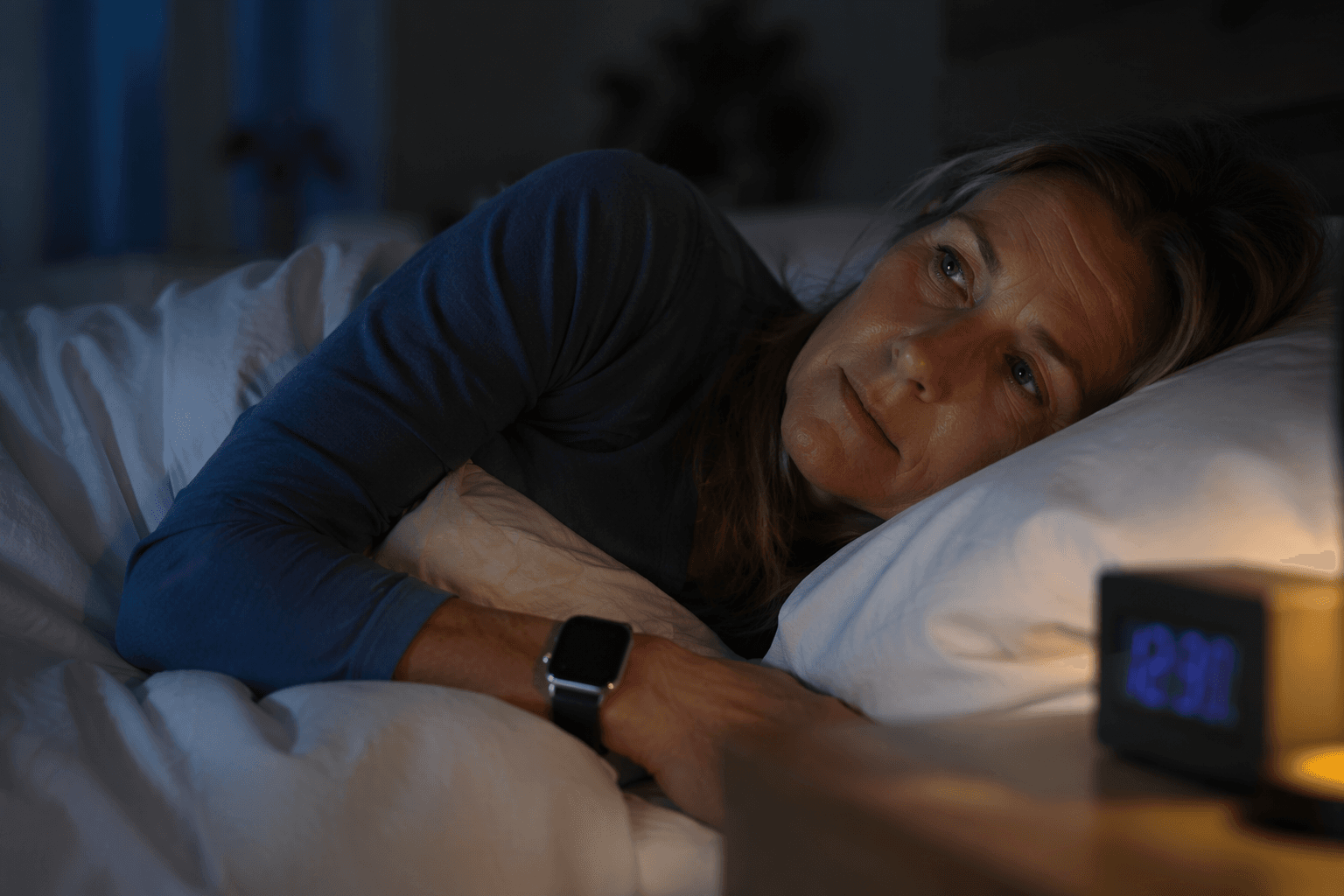
A Harvard analysis of 94,000 Apple Watch sleep nights found wake-after-sleep-onset rose in the 18 months before menopause, a pattern distinct from aging alone.
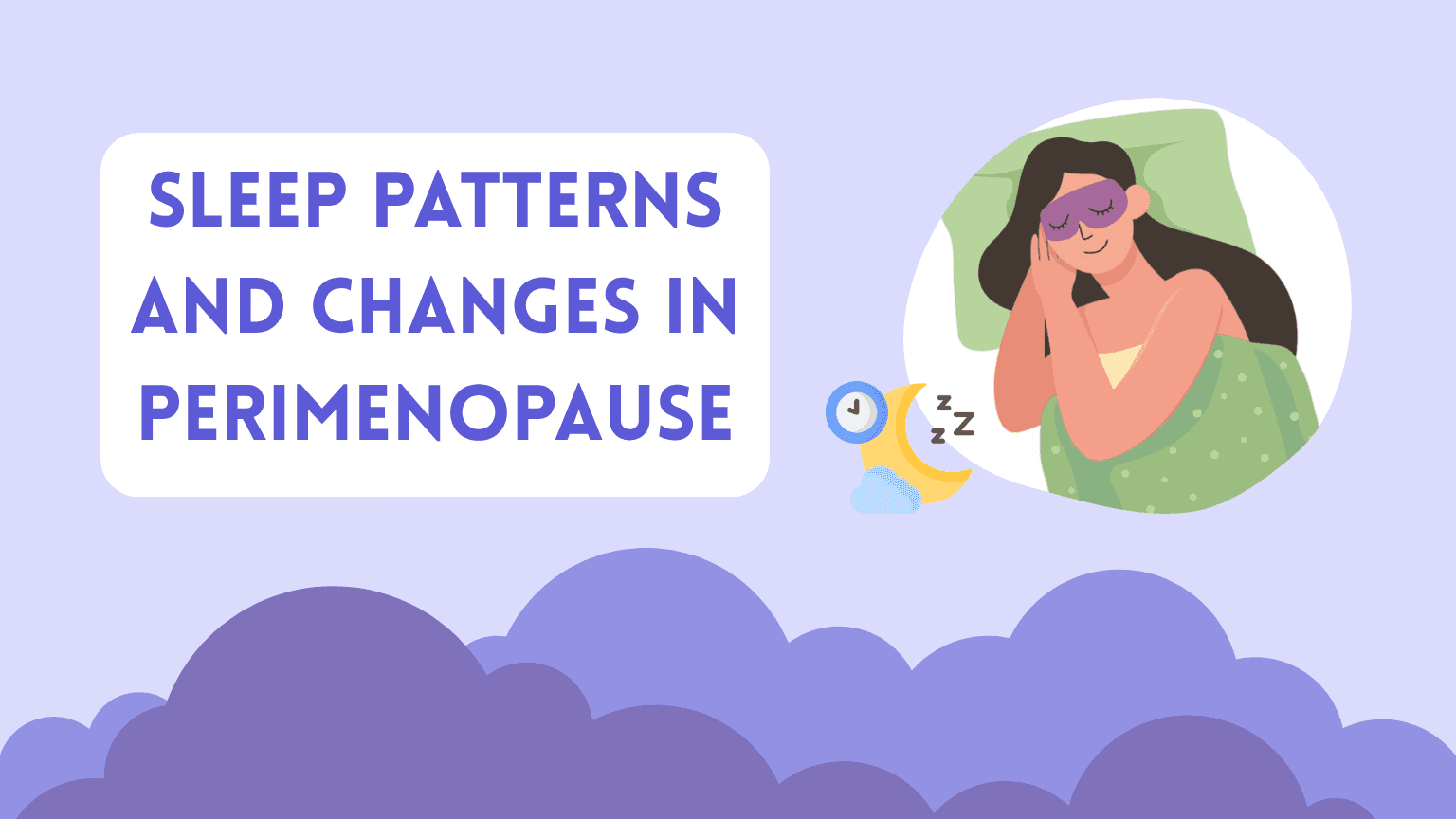
In the 18 months before menopause, 60% of women with sleep-tracking data showed increased wake-after-sleep-onset, with an average increase of 7%.
Harvard’s May 2026 update, titled A Transition of Seasons: Sleep Patterns and Changes in Perimenopause, puts the finding in a larger women’s health gap. Sleep difficulties are about twice as common in women as in men, and the evidence base still lags on what actually helps.
The analysis drew on more than 94,000 nights of Apple Watch sleep data from 338 Apple Women’s Health Study participants ages 25 to 59, most of them 45 to 59. Across that group, participants spent about 0.8% more of their sleep time awake in the 12 months before and after the final logged menstrual period. The pattern was not uniform: some women showed much larger increases in nighttime wakefulness, while others showed little or no change.
Launched in 2019 with Harvard, Apple and the National Institutes of Health, the Apple Women’s Health Study is a long-term project on menstrual cycles and related health conditions. The study had more than 120,000 participants by February 2025, while Apple’s research studies had grown to more than 350,000 participants across the United States.
Perimenopause often starts in the mid-to-late forties, usually lasts 2 to 8 years, and ends after 12 months without a period. About 1.3 million people enter menopause each year in the United States. Sleep during this transition can be affected by hot flashes, night sweats, hormone changes, hormone therapy, depression, anxiety, pain, stress and lifestyle habits, with bladder symptoms, joint symptoms, heart discomfort and depressive symptoms most closely linked to worse sleep. Harvard’s guidance for adult women remains at least 7 hours of sleep a night, with sleep mostly consolidated through the night and a return to sleep within 20 minutes if awakened.
This article was produced by Prism’s automated news system from verified source data, official records, and press releases, then run through automated quality and moderation checks before publishing. The system is built and supervised by the people who set the standards it runs under. Read our full AI policy.
Did this article answer your question?