Menopause is an oral health issue, British dentists warn
British dental commentators say England’s new women’s-health strategy still overlooks the mouth, even as menopause-linked dry mouth, gum disease and cavities affect millions.

About 13 million women are living through the menopausal transition, and England’s renewed Women’s Health Strategy still leaves oral health on the margins, British Dental Journal commentators warned on July 17, 2026. The Department of Health and Social Care published the renewed strategy in April 2026, after the 2022 version was withdrawn in May and replaced.
The British Dental Journal commentary argues that menopause is not only a gynecologic or endocrine issue. As estrogen falls in perimenopause and menopause, saliva production can drop, the balance of oral bacteria can shift, gums can inflame, dental decay can become more likely and changes in bone metabolism can affect the jaw as well as the rest of the skeleton. Decreased salivary flow can cause dry mouth and raise the risk of gum disease and cavities, while declining estrogen can lead to dry mouth, gum sensitivity and bone loss in the jaw.
A 2023 Dentistry report found that 84% of women over 50 were unaware of the menopause-oral health link, and a British Dental Journal Team piece put the figure at nearly 90% for awareness of some of the ways menopause can affect oral health. In one study of 1,000 women aged 50, 70% had experienced an oral health symptom since experiencing menopausal symptoms.
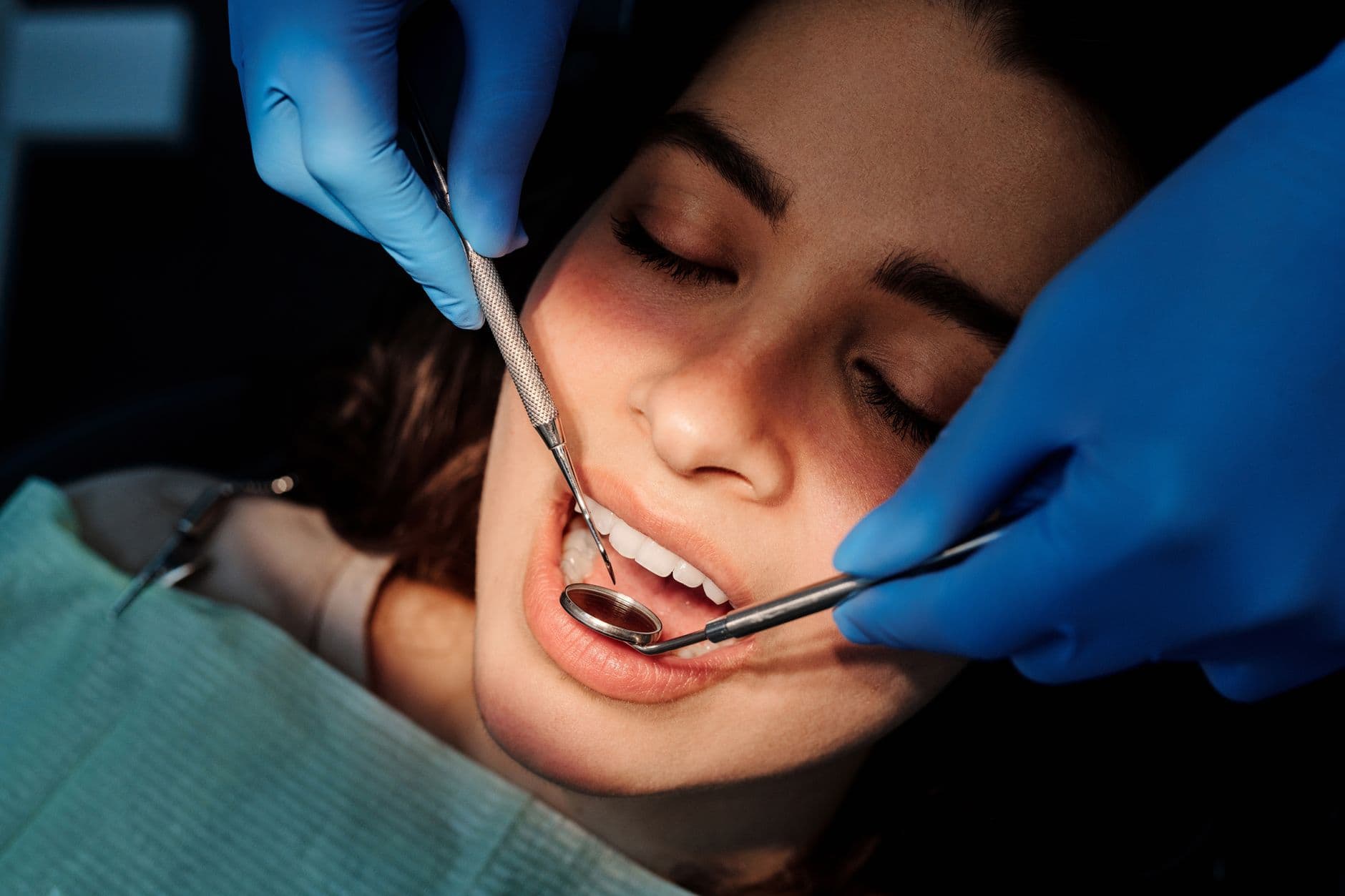
Dry mouth, bleeding gums, mouth discomfort and altered taste can all be brushed off as separate problems until they are severe enough to need treatment. Dental care, patient education and better cross-referral between GPs, gynecologists and dentists are the practical fixes, especially since dental professionals may be among the first to notice change. The British Society of Dental Hygiene and Therapy has already examined the barriers and enablers to menopause conversations in the dental surgery, underscoring how rarely that discussion happens in routine care.
This article was produced by Prism’s automated news system from verified source data, official records, and press releases, then run through automated quality and moderation checks before publishing. The system is built and supervised by the people who set the standards it runs under. Read our full AI policy.
Did this article answer your question?