Menopause research puts the brain at the center of care
Perimenopause is being recast as a brain-health transition, with new research linking brain fog, sleep and cognition to hormonal change and clarifying when symptoms need urgent care.

The American Brain Foundation’s March 2026 webinar on “Menopause and the Brain,” led by Next Generation Research Grant recipients Riley Bove, awarded in 2013, and Maria Pia Campagna, awarded in 2026, pushed menopause further into the brain-health conversation. In its May 26, 2026 recap, the foundation framed perimenopause not only as a reproductive transition but also as a neurological one.
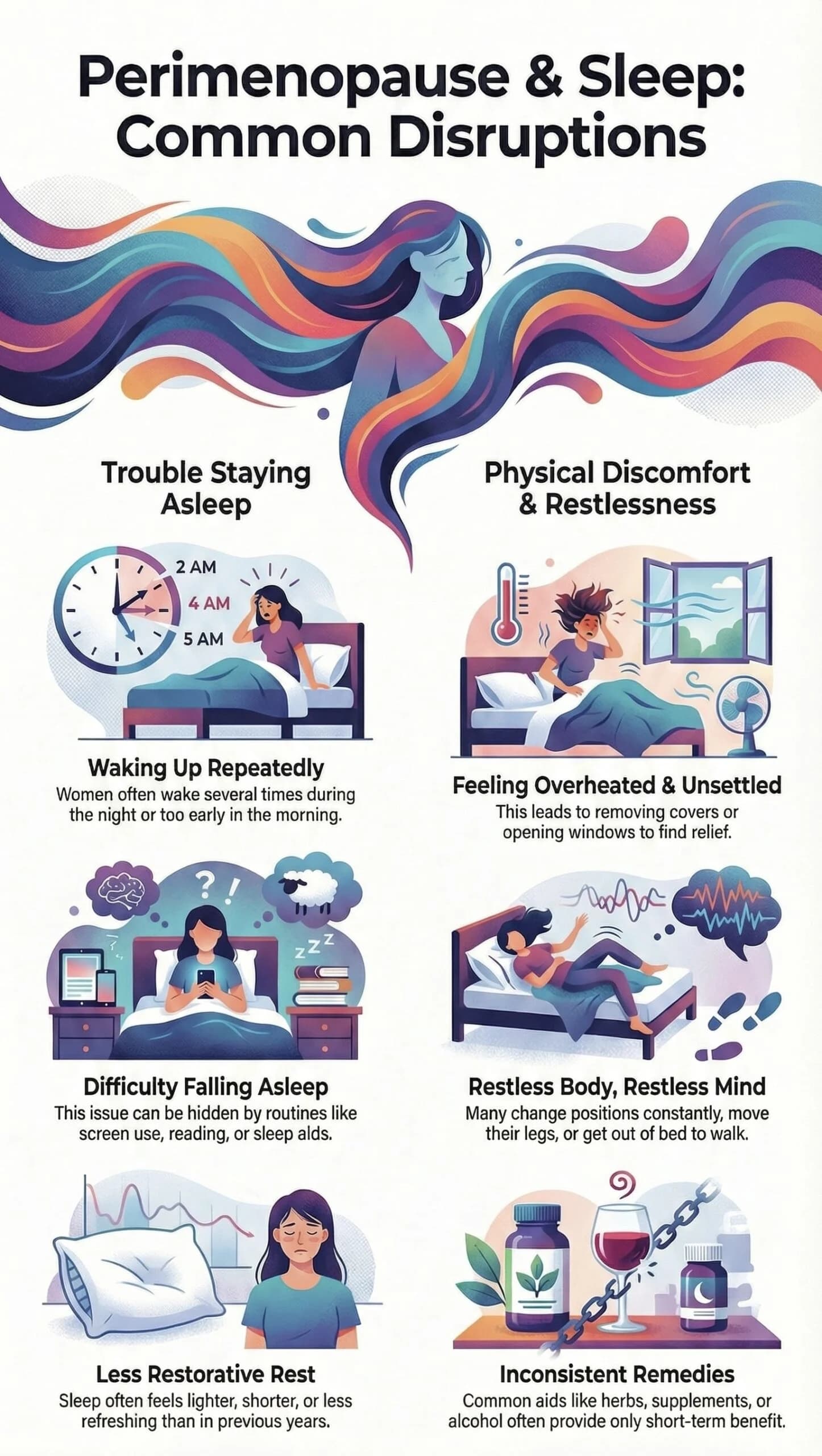
Many women do not first notice menopause in the mirror or in the calendar. They notice it in the missing word, the lost train of thought, the shorter fuse, or the night spent awake after a few hours of broken sleep.

Why the brain is now central to menopause care
The Menopause Society is blunt: memory and other mental, or cognitive, abilities change throughout life and decline with age. That does not mean every lapse is just aging, and it does not mean every lapse is menopause. It does mean clinicians should stop treating brain fog as an afterthought when women in midlife describe a real shift in how their minds are working.
Brain fog is a very common symptom of perimenopause and menopause. The Menopause Charity says many women describe their brains as feeling like “cotton wool.” In practical terms, that can mean forgetting names, losing keys, writing endless to-do lists, struggling to retain information, and finding it harder to concentrate when reading or watching TV. Those are not trivial complaints when they start interfering with work, confidence and daily functioning.
What the research says, and what it still does not know
This is an active research area, not a settled one. A 2024 PubMed Central review indexed as PMC10842974 and the PubMed Central article “Perimenopause as a neurological transition state,” indexed as PMC9934205, reflect an ongoing effort to map how hormonal fluctuations affect neural circuits, sleep architecture, mood regulation and longer-term brain aging.
A Scientific Reports paper published on June 9, 2021 found that menopause impacts human brain structure, connectivity, energy metabolism and amyloid-beta deposition. That does not mean menopause causes dementia, and it does not mean every woman in perimenopause is on a path to cognitive decline.
Sleep problems are common during menopause, and SWAN, the Study of Women’s Health Across the Nation, has a dedicated page on the effects of sleep problems during menopause. Perimenopausal sleep disturbances were linked to poorer cognitive function decades later, especially in women frequently woken by menopausal symptoms.
What normal cognitive change can look like
The University of Rochester Medical Center says the memory problems many women notice in their 40s and 50s are real and appear most acute during the early menopausal transition. That fits what many women describe in everyday life: the lapses are often intermittent, annoying, and very unlike a progressive neurological disease. You can be able to do your job, hold a conversation and manage your life, while still feeling less sharp than you used to.
Brain fog from perimenopause often shows up alongside poor sleep, night sweats, mood shifts or a sense of mental fatigue. It may make work harder, or make you lose your place halfway through a sentence, but it tends to fluctuate. If you are trying to explain it to a clinician, the most useful details are the ones that show when it happens and what else is happening at the same time.
- whether the change is new for you
- whether it clusters around broken sleep, hot flushes or mood changes
- whether you are forgetting words, names, appointments or whole tasks
- whether reading, working, or even watching TV feels harder than it used to
- whether the symptoms come and go, or keep worsening
A simple way to monitor it is to note:
That kind of record helps separate a bad week from a pattern that deserves a closer look.
When to see your GP
Perimenopause can explain a lot, but it should not become a catch-all excuse. If your cognitive symptoms are sudden, rapidly worsening, or clearly out of proportion to the usual pattern of brain fog, see your GP promptly rather than assuming hormones are to blame. The same is true if the changes are interfering sharply with daily life, or if they come with new language problems, confusion, weakness, or other symptoms that do not fit a typical menopausal pattern.
Why the framing shift changes everyday care
ABC News covered perimenopause affecting memory, sleep and mood on March 15, 2025, and Banner Health focused on how menopause can affect the brain in an explainer published on June 6, 2025.
Lisa Mosconi’s The Menopause Brain was published in March 2024. The University of Arizona Center for Innovation in Brain Science frames menopause as an early stage of a brain-health transition, and the Women’s Brain Health Initiative uses the line “Menopause Brain is Real.”
This article was produced by Prism’s automated news system from verified source data, official records, and press releases, then run through automated quality and moderation checks before publishing. The system is built and supervised by the people who set the standards it runs under. Read our full AI policy.
Did this article answer your question?