UK opens consultation on osteoporosis screening in women
The UK National Screening Committee opened a consultation on osteoporosis in women, putting midlife bone loss and missed diagnosis into the menopause policy debate.
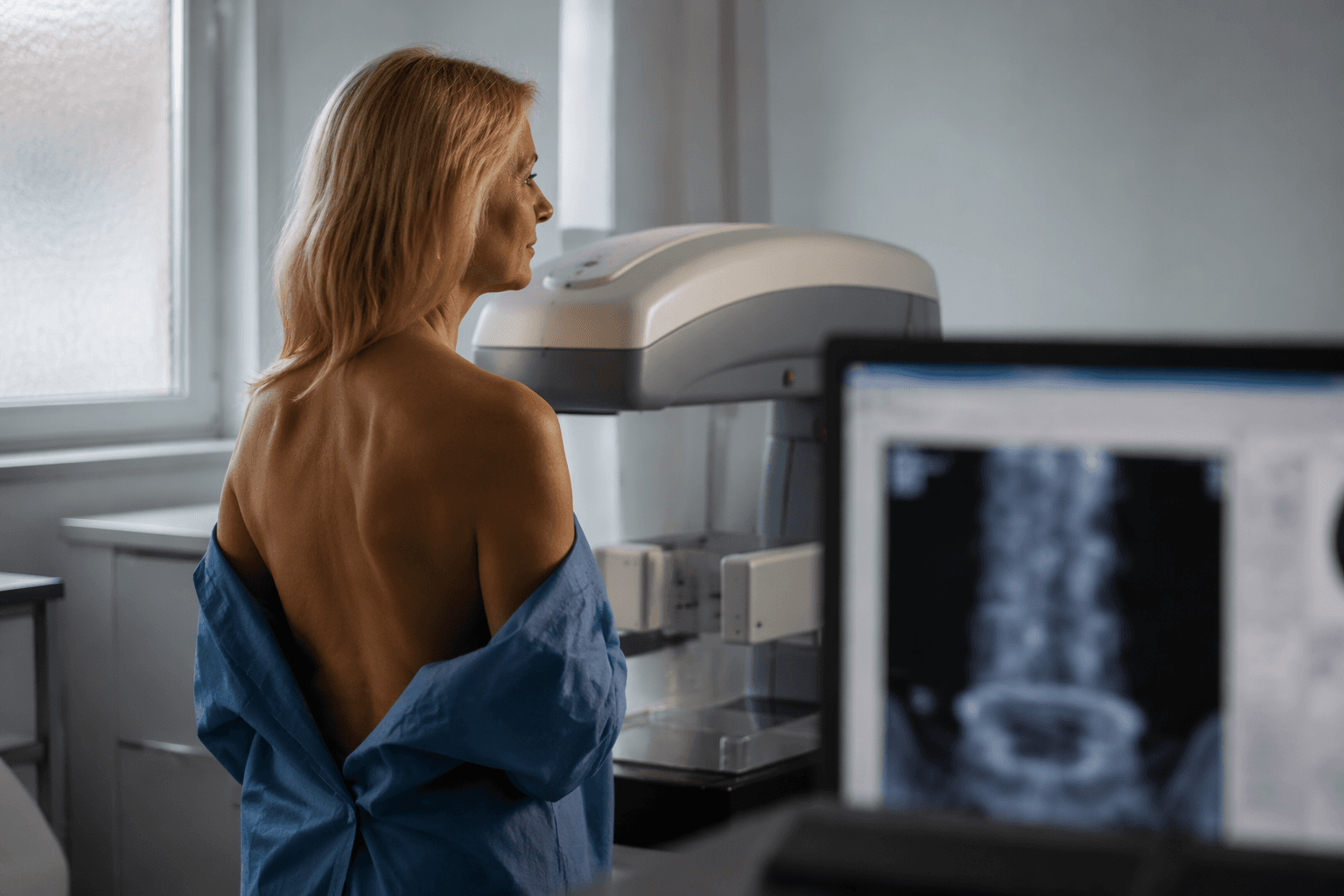
The UK National Screening Committee opened a consultation on screening for osteoporosis in women on July 15, a move that puts midlife bone health into the middle of the menopause conversation. For perimenopause, the timing matters: bone loss can accelerate around the menopausal transition, long before a fracture makes the problem visible.
Osteoporosis is the kind of condition that often stays quiet until it does not. NHS guidance describes it as a disease in which bones become weaker and more fragile, and says women are more at risk after menopause. Its risk factors include female sex, increasing age, menopause, oral corticosteroids, smoking, alcohol and previous fragility fracture, a list that makes the case for spotting risk before a fall or break happens.
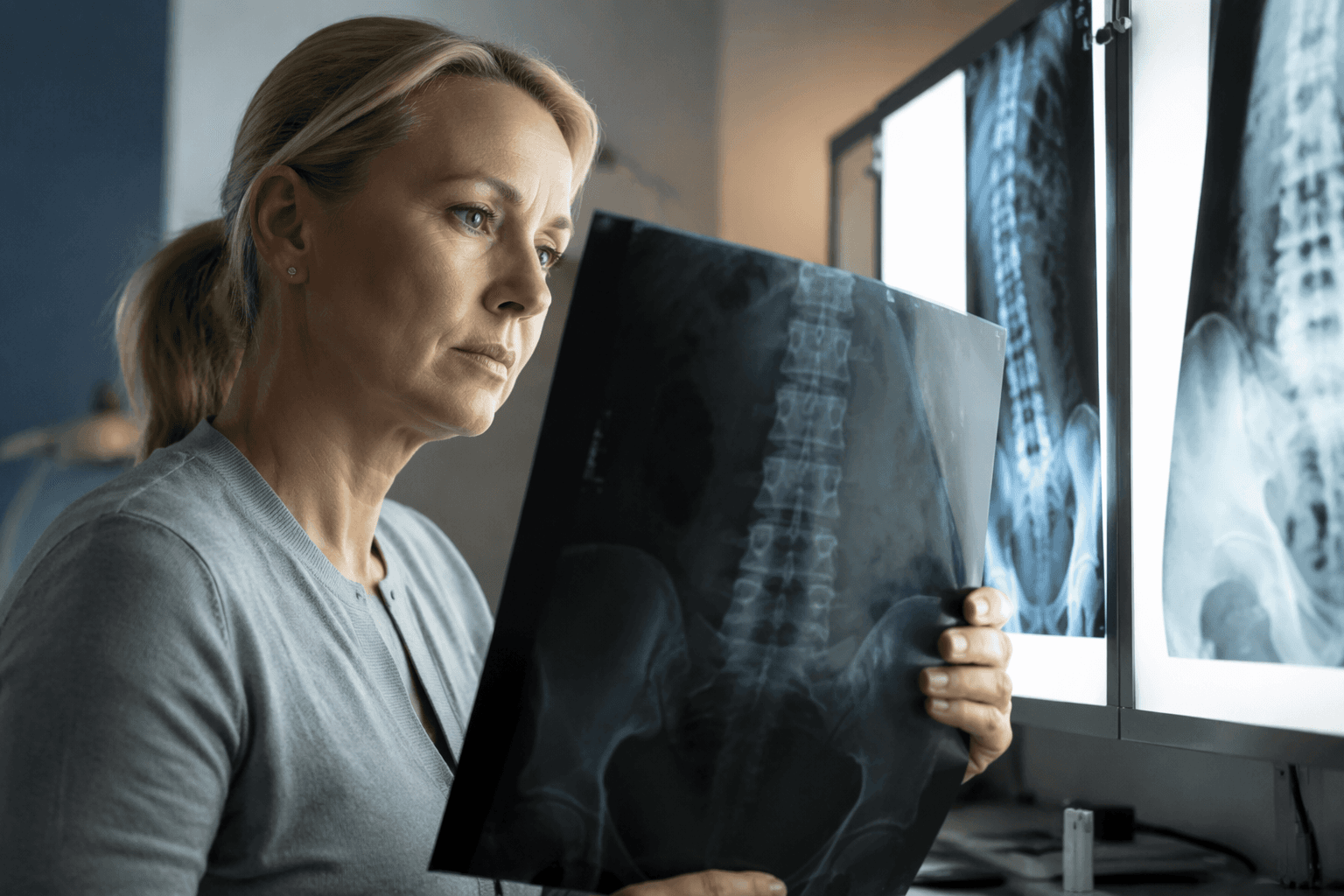
That is the policy question now on the table. A national screening recommendation would not just change a guideline, it could change what happens in routine appointments for women in their forties and fifties, from whether bone health is discussed to whether a referral is made for bone density testing. It also raises the chance of earlier preventive work, including lifestyle advice, vitamin D and calcium guidance, exercise prescriptions and risk assessment in primary care, rather than waiting until a fracture forces the issue.
The UK National Screening Committee has looked at this territory before. It carried out a review of screening for osteoporosis in postmenopausal women in August 2012 and published its formal policy position on 20 March 2013. The new consultation effectively reopens that debate in a health system that now has more structured osteoporosis guidance in place.
That infrastructure includes the National Osteoporosis Guideline Group, which was established in 2007 and provides UK clinical guidance on osteoporosis risk assessment, diagnosis, treatment and fragility-fracture prevention. NICE is also updating its osteoporosis guideline in two parts, including who should be assessed for fragility fracture risk, methods of risk assessment, vertebral fractures, treatment criteria and repeat risk assessment.
Patient pressure has been building alongside the clinical case. The Royal Osteoporosis Society has described osteoporosis as an "osteoporosis emergency affecting one in two women over 50," and has argued that the Women’s Health Strategy needed to do more on osteoporosis and promised fracture services. Internationally, the question has also moved up the agenda: a 2022 International Osteoporosis Foundation position paper asked whether population screening for fracture risk in postmenopausal women should be considered.
For women moving through perimenopause, the stakes are practical as well as political. A screening model that reflects real midlife pathways to diagnosis would catch risk earlier, before a fracture, and before bone health becomes another thing women are told to worry about only after it has gone wrong.
This article was produced by Prism’s automated news system from verified source data, official records, and press releases, then run through automated quality and moderation checks before publishing. The system is built and supervised by the people who set the standards it runs under. Read our full AI policy.
Did this article answer your question?