Edible Garden wins $2.66 million for protein beverage plant conversion
Edible Garden is turning a former shrimp plant in Webster City into a 100 million-unit protein beverage hub, backed by $2.66 million in state incentives.
Edible Garden AG Incorporated is using public money to make a sharp move up the food chain, converting a 400,000-square-foot building at 401 Des Moines St. in Webster City, Iowa, from a former shrimp facility into a ready-to-drink protein beverage plant. The Iowa Economic Development Authority approved a $2.66 million incentive package on April 17, and Edible Garden says the project will support at least 42 new jobs while driving $75 million in local investment.
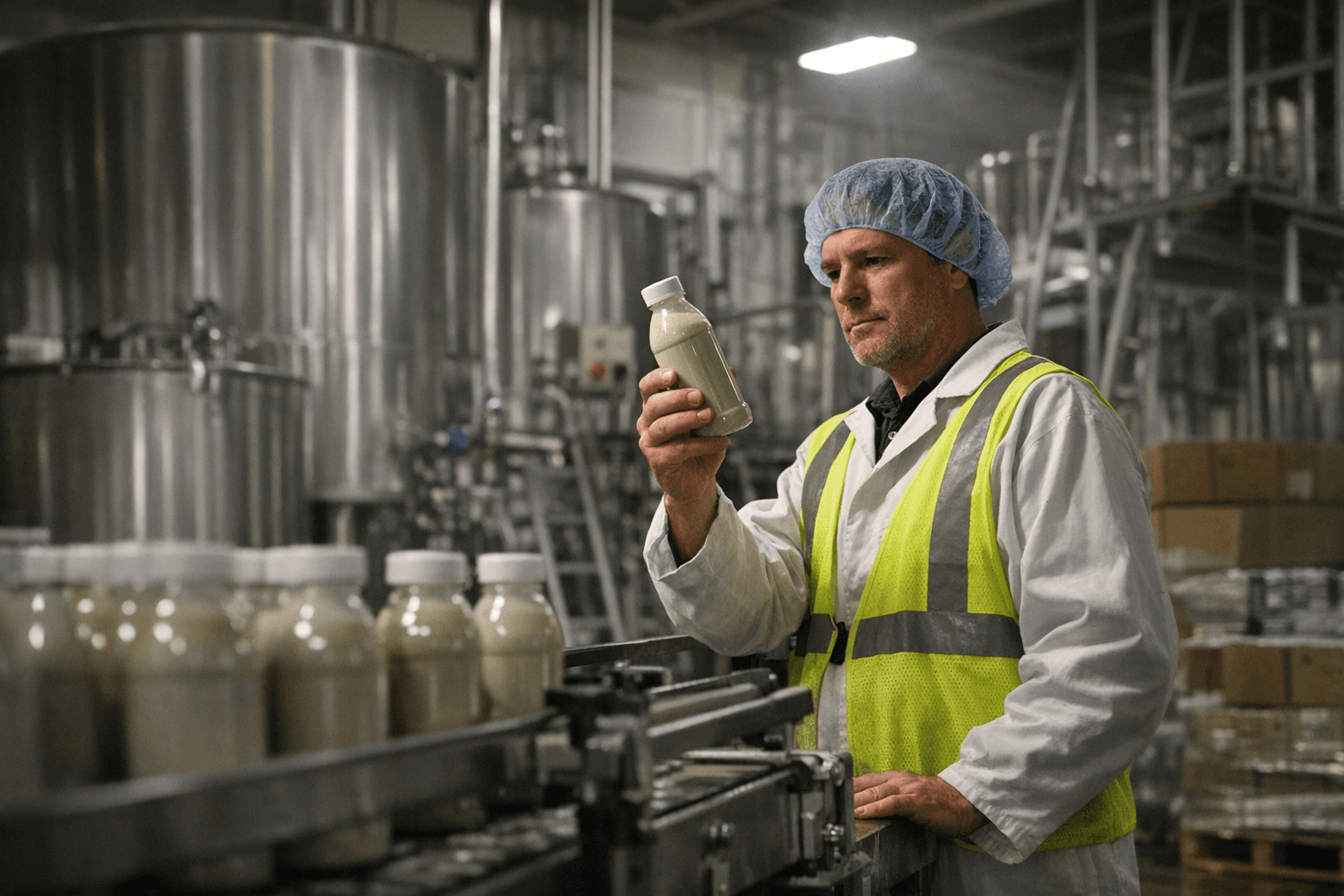
The company’s plan is more than a real estate flip. At full capacity, the Webster City site is expected to produce more than 100 million ready-to-drink beverage units a year, giving Edible Garden a scale play in shelf-stable nutrition that reaches well beyond its produce roots. The plant is slated to make shelf-stable plant-based and dairy-based protein beverages using precision processing, automation and sustainable production methods, a formula that fits the way functional drinks are increasingly being manufactured for mainstream retail.
For Edible Garden, the Iowa project sits inside a broader reinvention strategy. In its March 31 earnings update, the company said it was accelerating a higher-margin ready-to-drink and shelf-stable CPG platform, with Tetra Pak integration at the center of the plan. On March 4, the company said the Midwest site would support aseptic and ultra-filtered beverage production across protein, plant-based, dairy and functional categories, signaling that Webster City is meant to be a multi-format beverage platform rather than a single-product line.
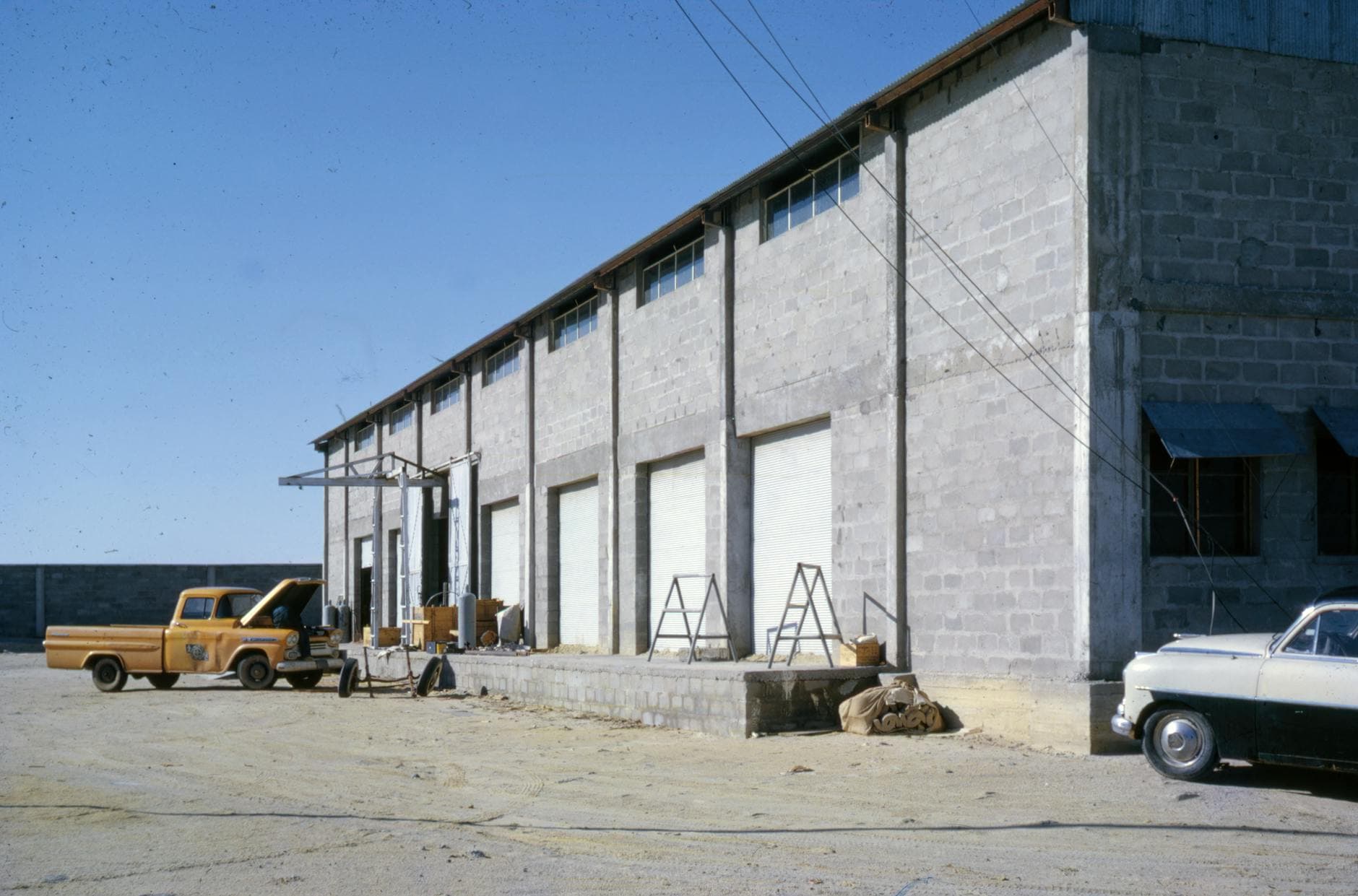
The company also brought in Steadfast City Economic & Community Partners on March 25 to help execute the Midwest platform initiative. By April 6, Edible Garden had told Webster City officials it expected the project to create jobs and anchor new investment in the building, which has previously housed Natural Shrimp, VeroBlue and, earlier, an Electrolux Laundry Products warehouse. Local reporting also said Edible Garden had secured a launch customer for its protein drinks, an important early signal that the facility is being built with demand in mind, not as speculative capacity.
Jim Kras, Edible Garden’s chief executive, has framed the move as an extension of the company’s Farm to Formula strategy, linking agriculture, technology and sustainability into a more profitable beverage business. The bigger industry question is whether Webster City is an isolated conversion or an early sign that protein drinks have become compelling enough to pull nontraditional food companies into manufacturing. With state incentives, aseptic packaging and shelf-stable nutrition all converging at once, the answer may be arriving in that former shrimp plant faster than expected.
This article was produced by Prism’s automated news system from verified source data, official records, and press releases, then run through automated quality and moderation checks before publishing. The system is built and supervised by the people who set the standards it runs under. Read our full AI policy.
Did this article answer your question?