Extreme Heat Threatens Animal Protein Supply, Quality and Margins
Extreme heat is already cutting milk, egg and fish productivity, while weakening quality and margins across the protein chain. The climate risk in animal protein is moving from biology to pricing.
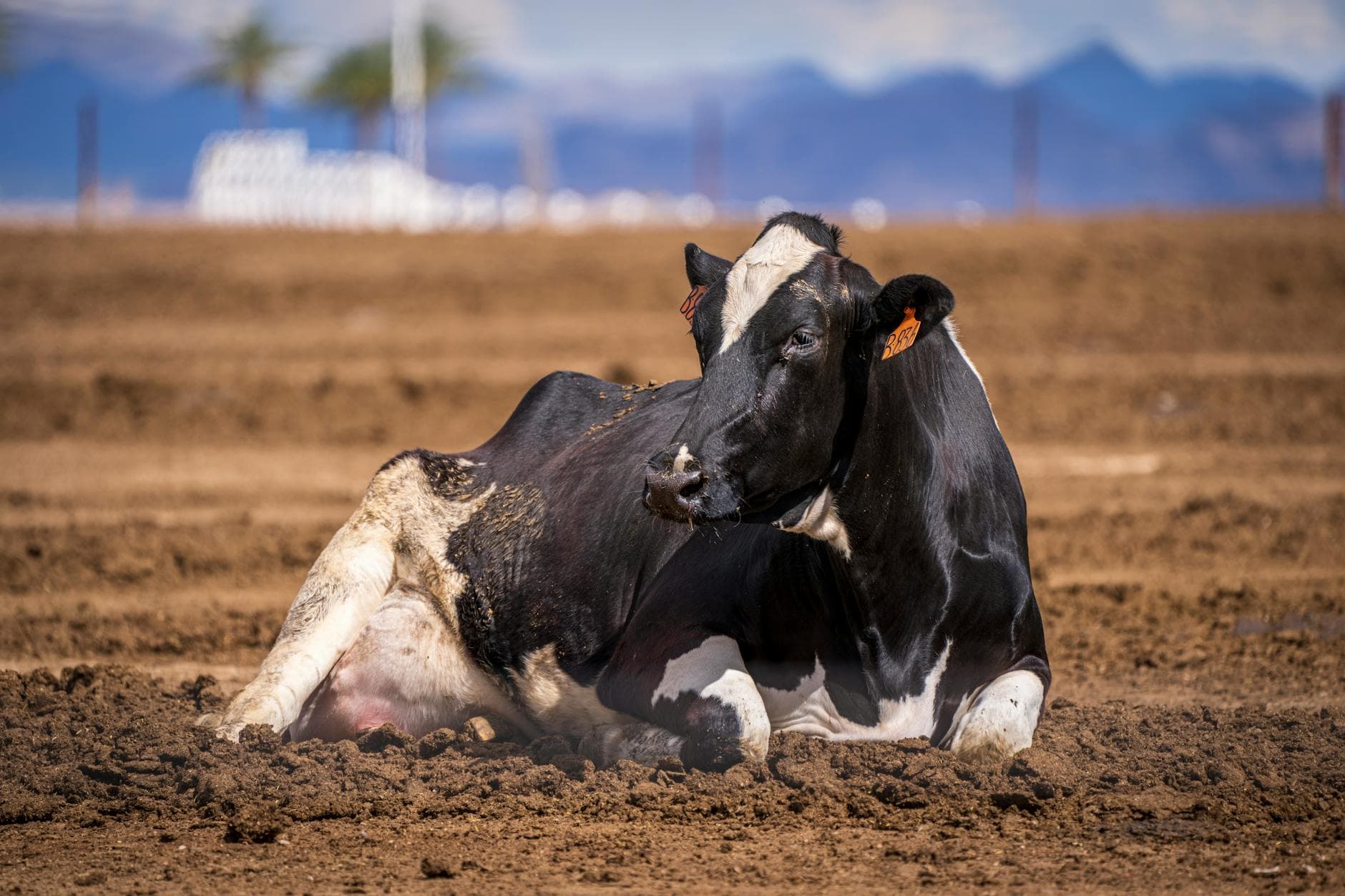
Extreme heat is no longer just a crop problem. It is already reshaping animal protein from the barn to the processing plant, cutting output, changing composition and squeezing margins in ways that are easy to miss until supply gets tighter.
The most important shift is that heat stress does not only reduce the number of pounds produced. It changes the economics of protein itself. When cows eat less, lay fewer calories into milk, or fertility drops, the damage moves from the animal to the processor, then to ingredient buyers and eventually to the shelf.
Dairy is where the risk is easiest to measure
USDA Climate Hubs says increased heat stress in dairy livestock can reduce feed intake, milk production and livestock fertility. Penn State Extension adds a practical threshold: productive dairy cows may begin to experience heat stress when the Temperature Humidity Index reaches 68 or higher. That matters because humid heatwaves can push animals out of their comfort zone even before temperatures look extreme on paper.
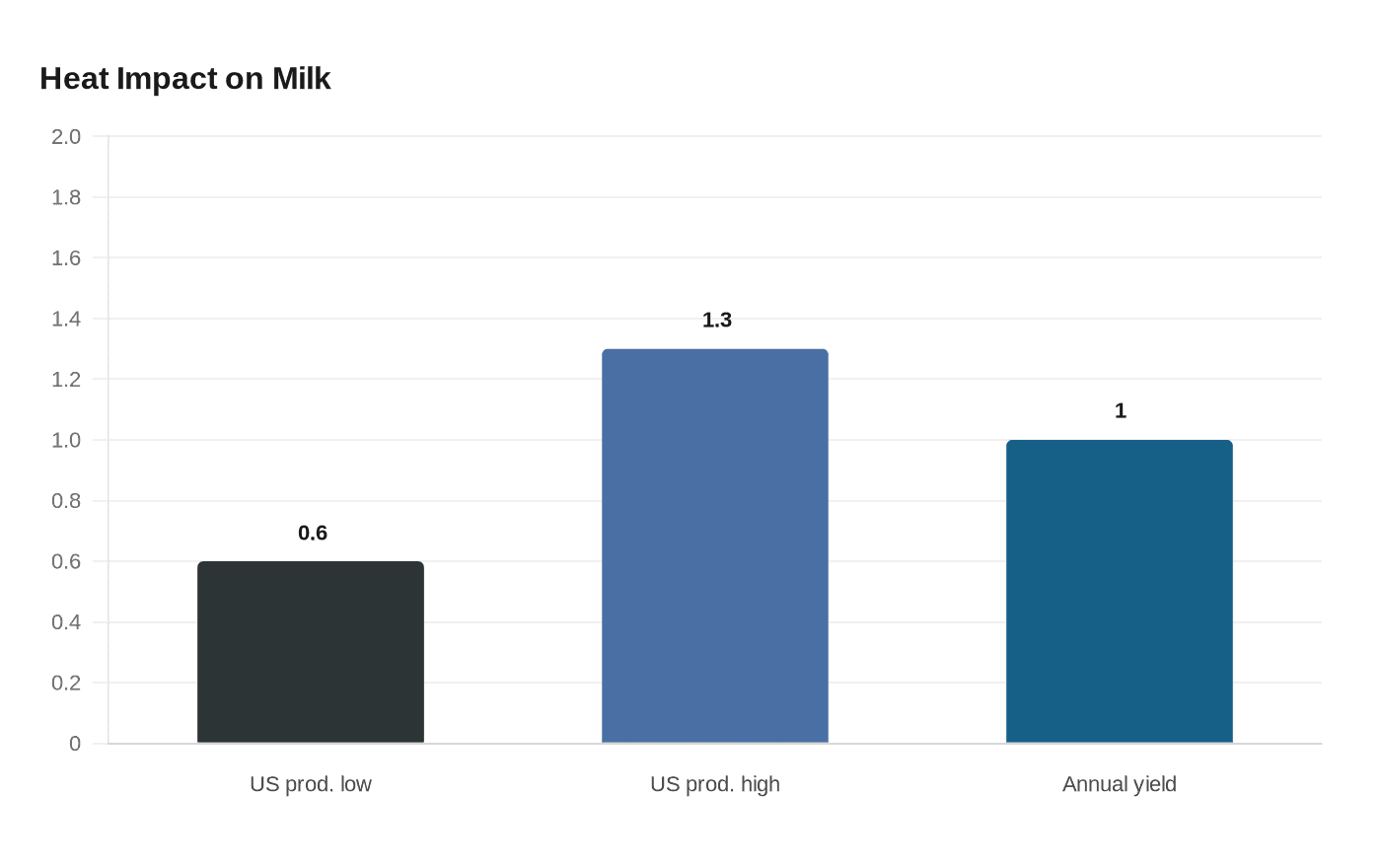
The economic exposure is not hypothetical. USDA Economic Research Service estimated that greater heat stress could lower U.S. milk production by 0.6% to 1.3% by 2030. University of Illinois Urbana-Champaign researchers found that high heat and humidity can reduce annual milk yield by about 1%, and their work showed that smaller farms are more vulnerable than larger operations, which often have better infrastructure and management tools to blunt losses.
That size gap matters to the whole supply chain. A farm that can install better cooling, ventilation or sprinklers is not just protecting animal welfare. It is preserving milk volume and keeping raw milk more predictable for the buyer downstream. In the Northeast United States and Midwest United States, where humid heat can be especially punishing, that difference can decide whether a summer becomes a manageable cost spike or a margin event.
Cornell University researchers have stressed that the problem goes beyond fluid milk volume. Heat stress drives economic losses through decreased milk production, reduced milk quality and compromised animal health and reproduction. That is the critical point for processors: milk is sold on components, not just gallons. If heat pulls down protein or fat, the product can lose value even when the tank looks full.
A recent Illinois analysis of Jersey crossbred cows used test-day records and NASA POWER satellite weather data to quantify effects on milk fat%, protein%, fat yield and protein yield. Another line of research, including work associated with Xingtan Vera Yu, Duan, Skidmore, Ajoy Mandal, Indrajit Gayari, Mokidur Rahman and Sylvia Lalhmingmawii, examined heat stress through in-line registered milk fat-to-protein ratio and metabolic profile measurements. Together, these tools show that the industry is moving from broad climate concern to component-level monitoring.
For dairies and processors, that changes summer planning. Lower protein and fat can mean lower-value raw material, tighter margins and more volatile pricing. It also means that adaptation is no longer just about keeping cows alive. It is about protecting the composition of the milk pool.
Egg production faces a welfare and quality problem at the same time
Laying hens are under the same pressure, even if the economics look different on the surface. The European Food Safety Authority identifies heat stress as one of the highly relevant welfare consequences for laying hens, which frames the issue as both an animal-welfare concern and a production risk.
Recent laying-hen studies show that heat stress reduces feed intake, egg production and egg quality. That combination has downstream effects that matter to manufacturers and food formulators. Lower shell integrity, shifts in yolk characteristics and less consistent ingredient performance can force changes in sourcing, processing and product design.
For egg users in baking, prepared foods and packaged meals, consistency is the real pressure point. A warmer flock is not only producing fewer eggs. It can also deliver a less reliable ingredient stream, which complicates formulation and raises the cost of maintaining product standards.
Aquaculture is being squeezed by warmer, less stable water
Fish and aquaculture are exposed to a different version of the same climate problem. The Food and Agriculture Organization of the United Nations says climate change affects fisheries and aquaculture through higher water temperatures, sea-level rise, ocean acidification and extreme events. That is a wide set of stressors, but temperature is the one that most directly changes biological performance.
Recent aquaculture reviews show that warming water, oxygen stress and harmful algal blooms can interact to threaten production. Other literature points to the way rising temperatures disrupt aquatic fertility, fish reproduction and even fish community structure. In practical terms, that means climate stress can affect both the ability to raise fish efficiently and the stability of the broader supply base.
For seafood buyers, the concern is not only harvest volume. It is also the reliability of reproduction, growth and survival in systems that depend on tightly managed environmental conditions. As waters warm, the challenge becomes harder to contain with conventional husbandry alone.
Adaptation is now an operating strategy, not a side project
The near-term response is already visible in the toolkit. Dairy, meat and seafood companies are leaning on facility upgrades, animal welfare interventions, feed management, breeding decisions and supply-chain diversification. In barns, that can mean cooling, ventilation, shading and sprinklers. On the nutrition side, it can mean ration changes that keep intake and metabolism steadier under stress. On the genetics side, it can mean selecting animals that tolerate heat better without sacrificing performance.
The data side is becoming just as important. Test-day records, satellite weather feeds and in-line monitoring systems are giving farms a clearer picture of when heat is beginning to damage output. That is valuable because the losses show up in different places depending on the species: in milk components for dairy, shell and yolk quality for eggs, and reproduction and growth in fish.
The larger lesson is that climate resilience now sits inside protein strategy. Protein innovation is not only about new products; it is also about protecting the supply base that makes mainstream protein possible. As heat stress keeps pushing on biology, the industry will feel it as higher input costs, lower yields and more volatile supply long before consumers see it as a headline.
This article was produced by Prism’s automated news system from verified source data, official records, and press releases, then run through automated quality and moderation checks before publishing. The system is built and supervised by the people who set the standards it runs under. Read our full AI policy.
Did this article answer your question?