FrieslandCampina opens New Jersey lab for local protein co-creation
FrieslandCampina opened a Paramus lab to help North American brands fine-tune protein bars, RTD drinks and powders faster, with local shelf-life and texture testing.
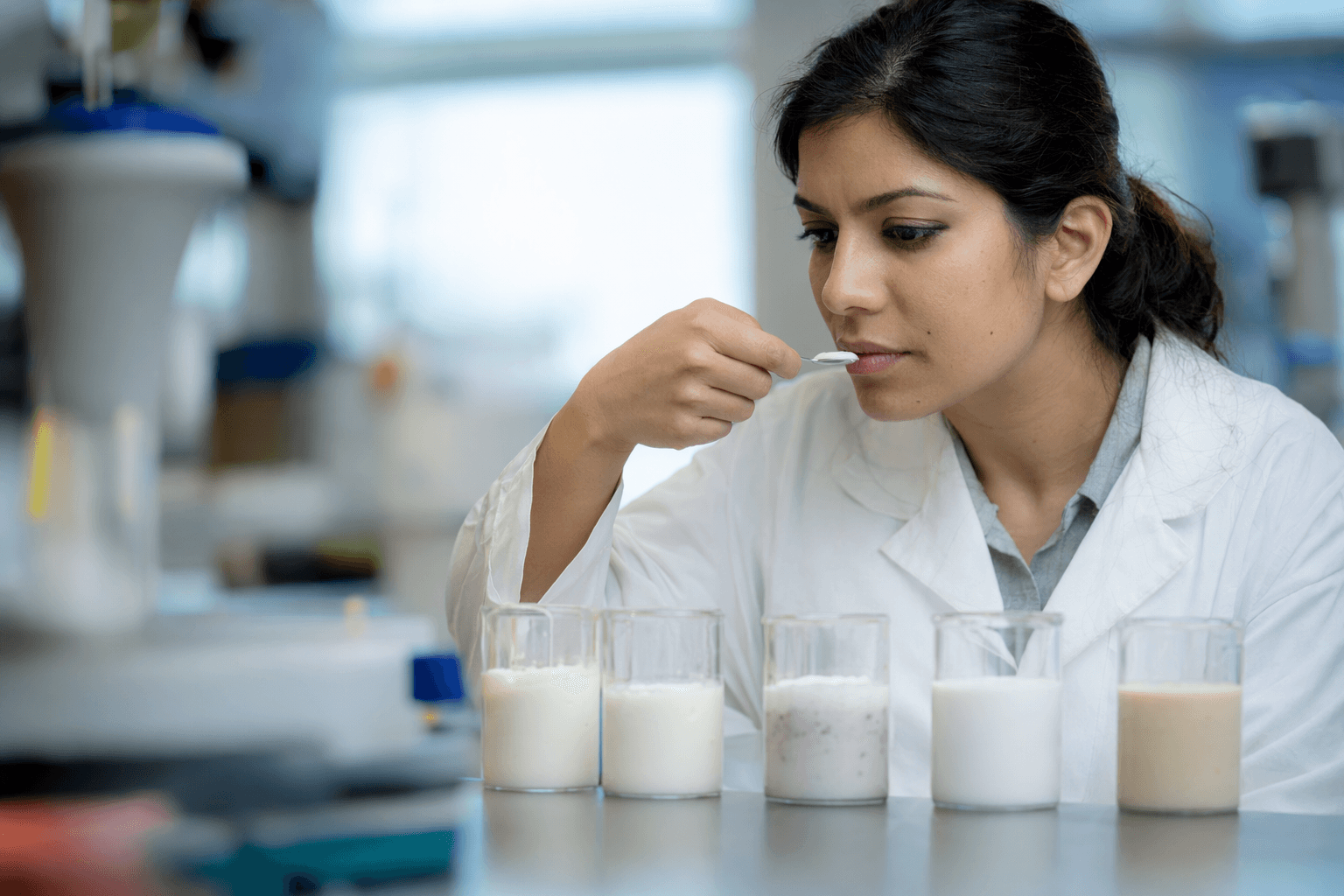
FrieslandCampina Ingredients opened its North America application center in Paramus as a local co-creation hub for brands trying to bring protein products to market faster and with a tighter fit to North American tastes. The facility sits inside the company’s North America sales office at 61 S. Paramus Road, Suite 535, and is meant to shorten the path from concept to shelf by letting customers work directly with the ingredient team on texture, taste, functionality and format.
The Paramus site is an extension of FrieslandCampina Ingredients’ Global Innovation Center in Wageningen, Netherlands, but its role is regional and immediate. Auke Zeilstra, the company’s regional sales director, has framed the value of the new lab around proximity, saying the team needs to be in the same time zone and geography as customers so it can respond faster to shifting market demand. That matters in a protein market where nutrition claims alone are no longer enough. FrieslandCampina says 40% of U.S. consumers view high-protein claims as a key purchase driver when dining out or grocery shopping, and 8 in 10 Americans prioritize protein during at least one meal or snack break each day.
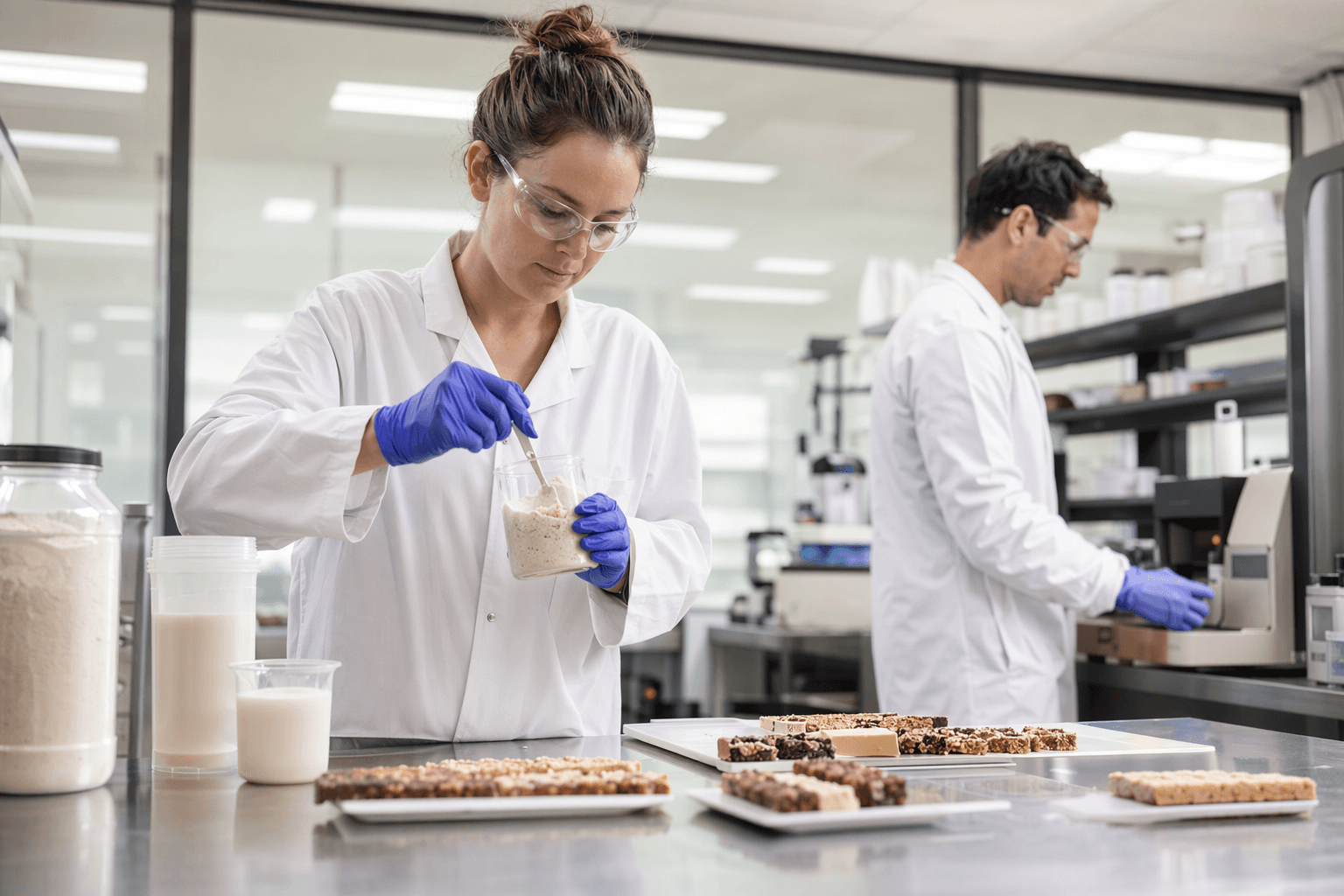
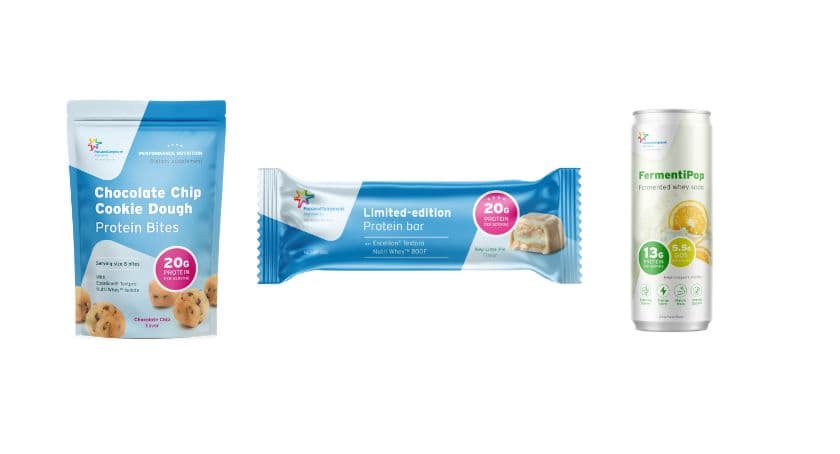
The lab is built to serve ready-to-drink beverages, ready-to-mix beverages, protein bars and functional snacks, categories where small formulation changes can decide whether a product wins repeat purchases or stalls out. FrieslandCampina says the center includes a homogenizer and a food-grade autoclave, along with enhanced analytical tools that help innovators test whether products that work in the lab will actually succeed on shelves. That gives the company a local way to troubleshoot issues such as chew, mouthfeel, sweetness, solubility and stability, instead of pushing every revision through a distant development cycle.
The new center also fits into a broader shift in protein development toward need-state formulation. In a 2025 interview, Sophie Zillinger Molenaar said Excellion caseinates were intended to support GLP-1 users through slow amino-acid release and longer satiety, while Zeilstra said Excellion Texpro was designed to help protein bars hold a softer texture over shelf life. Those ingredients point to a market that is fragmenting across active nutrition, muscle mass preservation and gut-health support, especially in GLP-1 companion products.
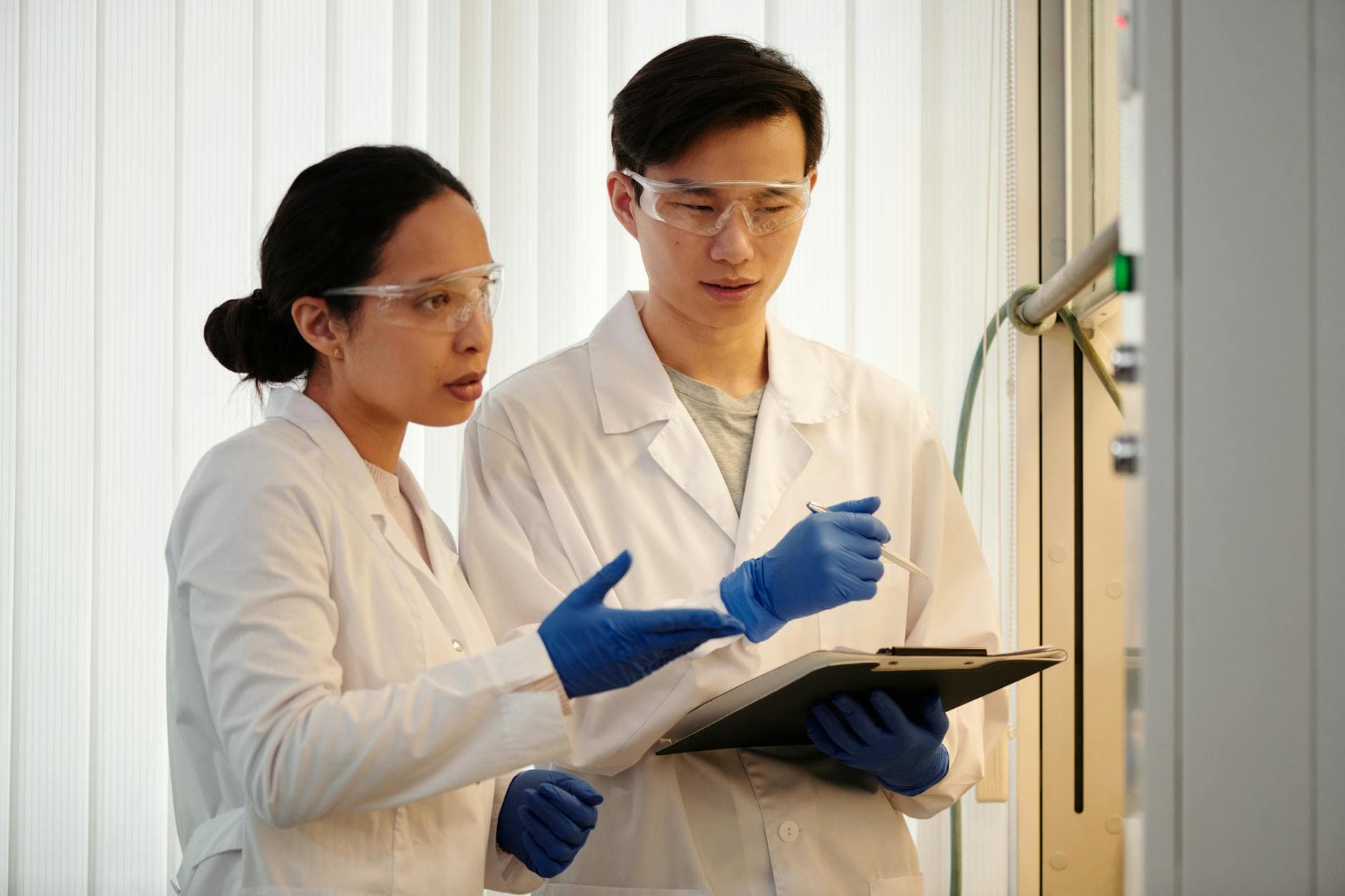
FrieslandCampina said the Paramus opening was part of a plan to build five regional application centers worldwide, following a Singapore opening last year. It also comes as the company commits more than 90 million euros to high-value whey proteins, with upgrades in Bedum, Veghel and Workum in the Netherlands supporting WPC80, instantized whey proteins and Nutri Whey ProHeat for drinks, bars and yoghurts. The strategy is clear: expand core protein capacity in Europe while moving application work closer to the customers who need speed, customization and formulations that fit local consumers.
Know something we missed? Have a correction or additional information?
Submit a Tip