GLP-1-Friendly Foods Drive Protein Marketing, Brands Keep It Indirect
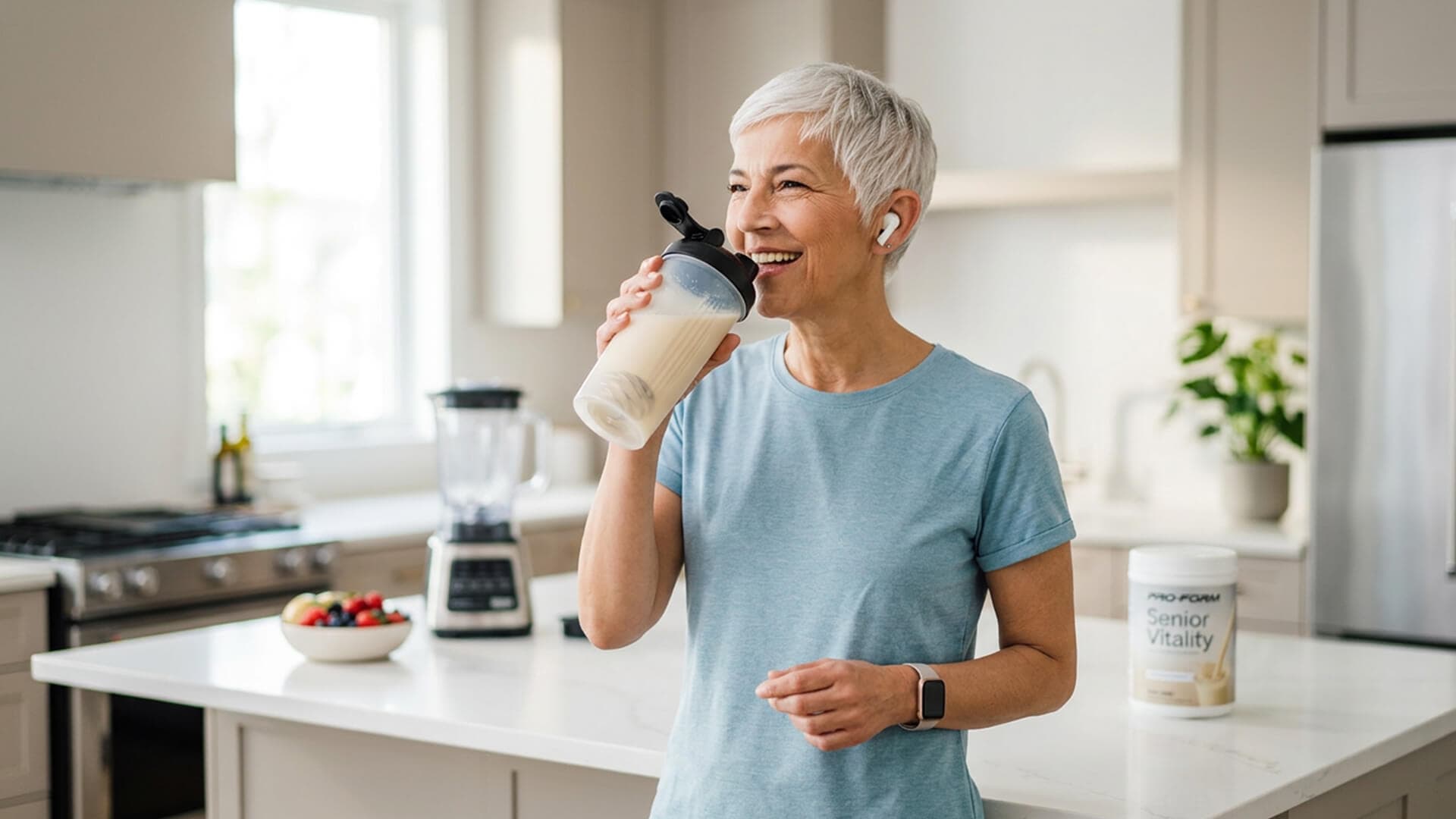
Brands are chasing GLP-1 consumers with protein and satiety cues, but most still avoid naming the trend. The result is a coded marketing playbook built around fullness, muscle support and smaller portions.
The label is hot, but the name is still off-limits
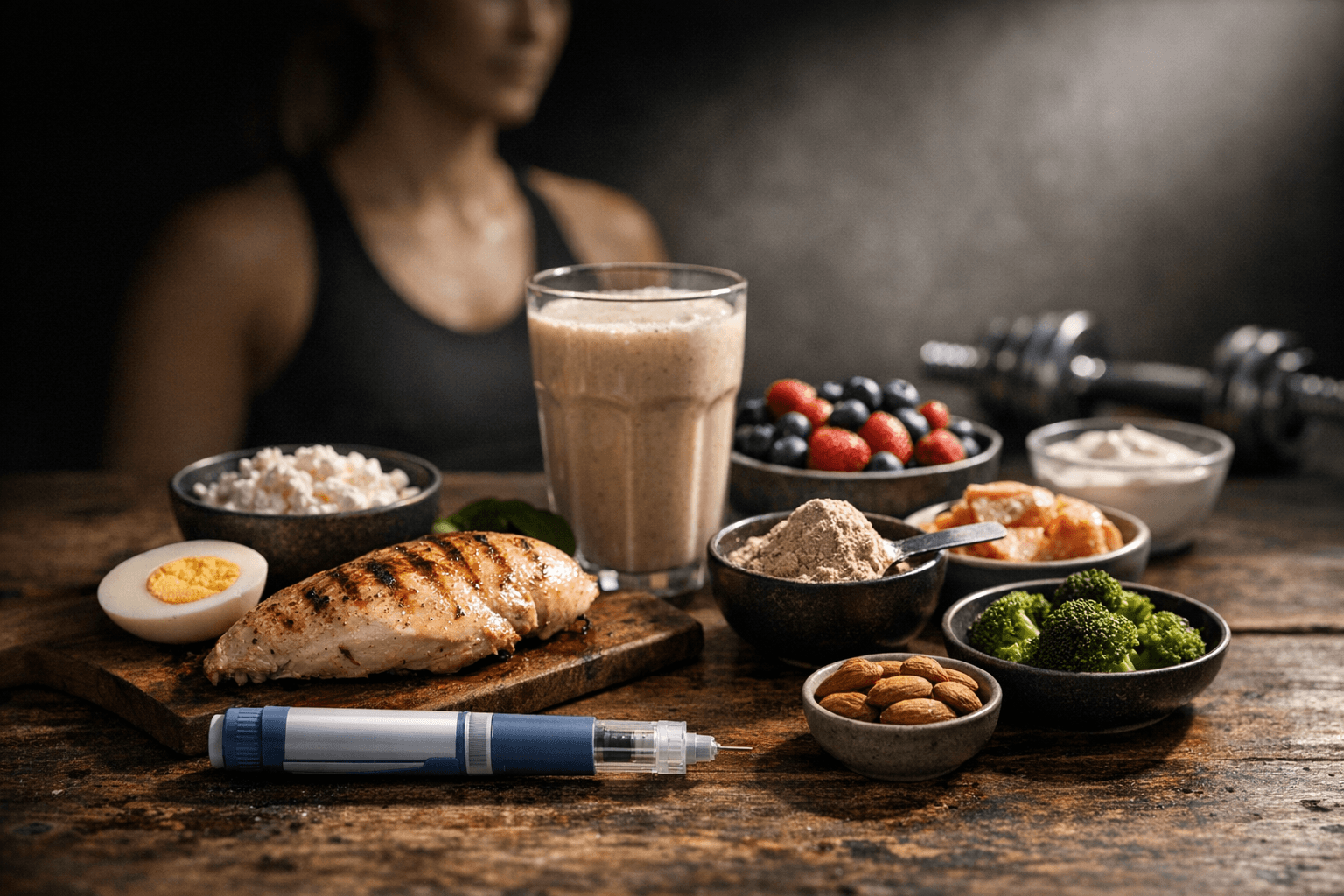
GLP-1-friendly foods are becoming a real commercial lane, yet brands are still treating the label itself like a liability. FoodNavigator-USA’s April 21 market coverage makes the contradiction plain: companies want the consumer behavior that GLP-1 drugs are creating, but they are reluctant to say so directly on pack.
Instead, the message is being translated into familiar cues that feel safer to market. “High protein” and “supports muscle mass” are doing the work that a direct GLP-1 reference would do more bluntly, letting brands signal relevance without stepping into the taboo surrounding medication-led eating changes. That hesitation matters because it shows the industry is still unsure whether shoppers want products explicitly framed for GLP-1 use or prefer benefits to be implied through language around fullness, satiety and muscle support.
Protein is no longer just an athlete story
The bigger shift is that protein has moved from a niche performance message into a broad consumer problem-solver. The research notes point to a new set of needs tied to GLP-1 use: appetite changes, smaller meals, greater attention to satiety, muscle retention and the daily logistics of eating less without undercutting nutrition. That puts protein into the center of meal planning, not just sports nutrition.
For brands, that widens the addressable market well beyond bodybuilders and gym-goers. The category now reaches consumers managing weight, trying to preserve lean mass and trying to make ordinary meals work around reduced hunger. In practice, the selling job is less about flashy functional claims and more about showing that a food fits a changed eating pattern, whether through dense nutrition, easier portioning or a satiety-forward formula.
How brands are signaling without saying it
The current packaging strategy is all about indirect communication. Rather than naming GLP-1s, brands are leaning on language that suggests the outcome: protein content, muscle support, and the promise of staying full longer. Those cues speak to the same consumer need without triggering the stigma or uncertainty that can come with a medication reference.
That approach also reflects a positioning problem. A product marketed too explicitly as GLP-1-targeted risks feeling clinical, narrow or even intrusive. A product that simply emphasizes protein, satiety and muscle maintenance can sit more comfortably inside mainstream grocery and wellness messaging, while still appealing to the shoppers most affected by GLP-1-driven appetite change.
The practical challenge is that brands have to design for a smaller appetite and a higher nutritional bar at the same time. That means portion sizes, protein density and ease of use matter more than ever. The companies that get this right are likely to be the ones that can turn a medical behavior shift into a repeatable grocery habit.
The household effect is widening the market
FoodNavigator-USA’s April 17 GLP-1 coverage adds an important layer to the story. An Acosta Group report found that GLP-1 drugs are improving users’ relationship with food and how they feel about their personal appearance. That is a commercial signal well beyond one product aisle: it suggests GLP-1 use may be reshaping household eating habits, not just the choices of the person taking the medication.
That matters because household behavior is where many food categories are won or lost. If a GLP-1 user changes how often they snack, how much they serve, or what they want at a meal, the impact can spill over to family shopping lists and routine purchases. The opportunity is not just to catch a single consumer in a narrow moment; it is to fit into a new pattern of eating that can influence what gets bought for the whole home.
Why the science makes protein central to the message
The marketing shift is being reinforced by a strong nutrition rationale. A 2026 joint nutrition paper says protein targets for people on GLP-1 therapy may be around 80 to 120 grams per day, or about 1.5 grams per kilogram of lean body mass per day in one framework. That gives brands a concrete nutritional anchor for the protein-forward messaging now showing up in the market.
The same paper argues that GLP-1 therapy should be paired with patient-centered nutrition assessment, including muscle strength, function, body composition, strength training and sleep. That is a broad reminder that the conversation is not only about eating less. It is about protecting function and lean mass while appetite is suppressed, which makes protein a practical part of the solution rather than just a marketing flourish.
A 2025 to 2026 clinical review reaches a similar conclusion, warning that GLP-1-based therapies can create challenges around muscle-mass loss and poor nutrition. Harvard Health also notes that these medications slow stomach emptying, keeping people full longer, while rapid weight loss may lead to a decrease in muscle mass. Put together, those findings explain why satiety and muscle support have become such important terms in product development and messaging.
What this means for product teams and marketers
For food and beverage companies, the opportunity is not simply to print a new claim on the front of the pack. It is to build foods that genuinely match the way GLP-1 users eat: less volume, more attention to protein, and a stronger desire for foods that feel satisfying without overshooting appetite. That requires formulation choices that prioritize nutrient density and practical portion control, not just general wellness positioning.
The communication challenge is just as important. Brands need to decide whether to speak directly to the GLP-1 moment or keep translating it into adjacent benefits that feel more universal. Right now, the market is leaning toward the second option, using familiar language around protein, fullness and muscle retention to connect with consumers who may never see the medication label in the aisle.
That indirect strategy may be the clearest sign of where the category is headed. GLP-1 eating behavior is already shaping product claims, nutrition targets and household habits, but the industry is still testing how much of that story should be said out loud. For now, the fastest-growing opportunity appears to be the one everyone is marketing toward, while few are willing to name directly.
This article was produced by Prism’s automated news system from verified source data, official records, and press releases, then run through automated quality and moderation checks before publishing. The system is built and supervised by the people who set the standards it runs under. Read our full AI policy.
Did this article answer your question?