GLP-1 users reshape dairy demand toward protein-rich, smaller servings
GLP-1 use is turning dairy into a precision-nutrition category, with smaller servings, higher protein density and easier digestion replacing volume-first thinking.
Small servings are becoming the new dairy brief
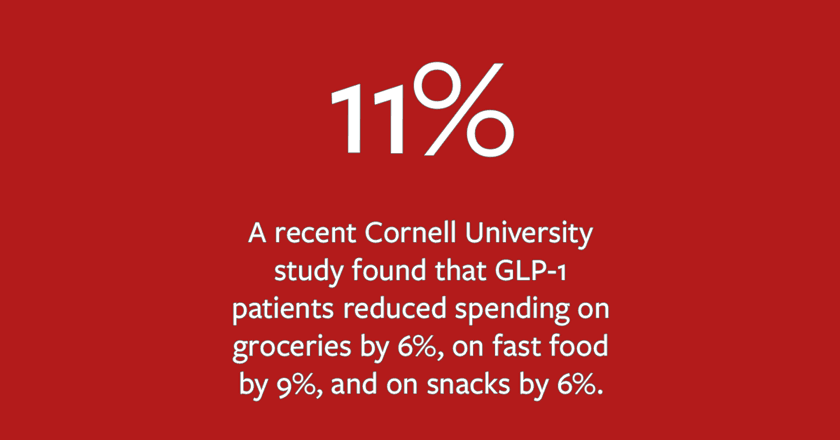
GLP-1 adoption is pushing dairy away from a volume-first model and toward products that deliver more nutrition in less food. A Cornell University study found GLP-1 households cut grocery spending by an average of 5.3% within six months of starting medication, with higher-income households trimming spending by more than 8%, while spending at fast-food restaurants, coffee shops and other limited-service eateries fell by about 8%. That combination matters for dairy because it signals not just lower spend, but a different kind of demand: smaller purchases, more selective baskets and a sharper focus on what each bite delivers.
For manufacturers, the shift is not simply about making food more “healthy.” It is about redesigning dairy around quality per bite, where protein density, digestibility, satiety and format relevance all have to work together. The old logic of larger tubs, broader family use and generic snacking is giving way to intent-led products that serve a specific job, whether that is breakfast protein, a quick post-medication snack or an easier-to-finish drinkable dairy option.
Protein now has to do more than bulk up the label
Nutrition guidance is reinforcing the market signal. An article in the American Journal of Clinical Nutrition noted that adequate dietary protein may be difficult to achieve for people taking GLP-1 medications because reduced appetite and taste aversions can make intake harder. It also recommended eating protein-rich foods first in a meal, a practical clue that protein is becoming a priority nutrient rather than an afterthought.
That changes the product brief for dairy developers in a meaningful way. High-protein yogurt, drinkable dairy and smaller indulgent portions all fit the new consumer reality, but only if they also feel easy on the stomach and easy to finish. The opportunity is bigger than simple fortification. Brands now have to think about satiety, digestibility and format relevance at the same time, while also paying attention to lower-sugar recipes and fresher, more immediate consumption occasions.
Danone is already designing for the GLP-1 shopper
Danone has moved quickly to meet that demand. In August 2025, the company launched Oikos Fusion, a high-protein cultured dairy drink designed to support the nutritional needs of GLP-1 users. It comes in strawberry, mixed berry and vanilla, and Danone says the compact single-serve size was chosen after consumer feedback from GLP-1 users who wanted nutrient-dense options they could finish easily.
The product shows how the category is being rethought from the inside out. Oikos Fusion is not just another protein drink; it is a response to a consumer who may want concentrated nutrition without a large serving, heavy texture or broad family-style package. Danone has also built out a high-protein dairy portfolio that includes OIKOS, OIKOS Triple Zero, OIKOSPRO, YoPRO, HiPRO and GetPRO, which underlines how central protein has become to its strategy across regions and formats.
That portfolio breadth matters because it shows how dairy can serve multiple occasions without abandoning the core appeal of the category. Spoonable yogurt, drinkable dairy and other high-protein options can all coexist, but the winning products are likely to be the ones that feel deliberately sized and nutritionally efficient rather than merely reduced in portion.
Protein demand is spreading beyond the yogurt aisle
The opportunity is not stopping at cultured dairy. Fonterra has identified GLP-1-spurred protein demand as its biggest opportunity for dairy food and beverage innovation in 2026, and it expects growth in protein powders, ready-to-drink protein shakes and protein-enhanced snacks. That is an important signal for the wider market because it shows GLP-1 adoption is not only changing what consumers buy in the dairy case, but also where dairy competes in the broader protein economy.
For suppliers and brands, this means the next wave of innovation will likely favor ingredients and formats that can travel across occasions. Protein-rich dairy has to work as a breakfast anchor, a between-meal top-up and a portable nutrition product, all while preserving taste and tolerance. In practice, that favors concentrated proteins, easy-mix systems, smoother textures and packaging that signals a clear use case instead of a vague promise.
The consumer is looking for reassurance, not just appetite control
An IFT survey cited in 2025 found that 65% of U.S. consumers taking GLP-1 medications believed monitoring nutrients such as fiber and protein was important, and 73% were worried about regaining weight after stopping medication. Those numbers point to a consumer who is thinking beyond the immediate appetite effect and toward long-term maintenance, nutrient adequacy and a sense of control.
That mindset creates a strong opening for dairy, especially products that can credibly speak to protein, comfort and digestibility at once. It also helps explain why medicalized eating patterns are starting to influence mainstream grocery innovation. If consumers want foods that fit a smaller appetite but still feel purposeful, dairy can answer with compact servings, reduced sugar, clear protein targets and formats that are easy to finish without waste.
What product design looks like when portions shrink
The most successful GLP-1-era dairy products are likely to share a few traits:
- High protein in a small serving, so the product feels efficient instead of oversized.
- Digestible textures and flavors, especially for consumers managing taste changes or reduced appetite.
- Lower sugar formulas that preserve functionality without adding unnecessary sweetness.
- Single-serve packaging that fits a specific occasion and reduces leftovers.
- Clear positioning around use, whether breakfast, post-workout, post-medication or a snack between meals.
This is where the category’s next premium phase is taking shape. Premiumization is no longer only about indulgence or ingredient story; it is about delivering more nutrition, more comfort and more relevance in less food. The brands that understand that shift will not just sell to GLP-1 users. They will help define the next standard for dairy in a market where smaller servings are becoming smarter servings.
This article was produced by Prism’s automated news system from verified source data, official records, and press releases, then run through automated quality and moderation checks before publishing. The system is built and supervised by the people who set the standards it runs under. Read our full AI policy.
Did this article answer your question?