Protein boom gains strength as wellness trends and GLP-1s converge
Protein is moving from a gym staple to an everyday wellness buy as GLP-1 use, satiety and aging needs keep demand durable.
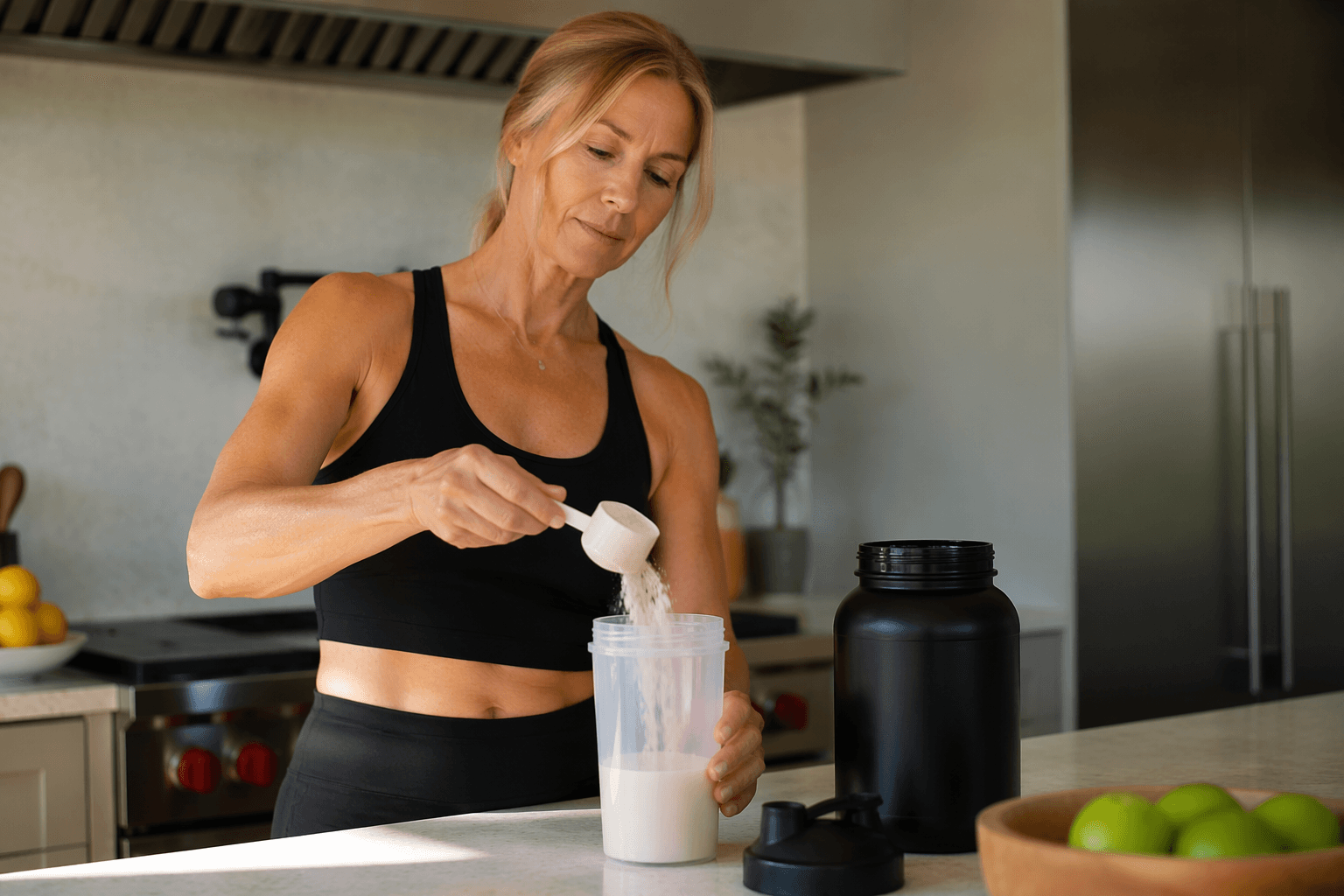
Protein is holding up because it now sits at the intersection of several different health behaviors at once. Euromonitor’s July 2026 analysis says consumers increasingly link higher protein with better health, and that link now stretches well beyond muscle building into weight management, nutrient density and even skin and beauty positioning.
Protein has become a multi-occasion wellness ingredient
The biggest change in the market is not that people want more protein, but that they are using it in more parts of the day. Euromonitor says protein claims are spreading beyond food and beverage, with beauty and personal care now the top consumer packaged goods category for protein claims. That tells you how far the ingredient has traveled from the sports aisle into mainstream wellness.
The category’s durability comes from that flexibility. Protein now appears in ready meals, snacks, beverages, aging-support products and beauty-adjacent formats, which gives brands more than one route to growth. A claim tied only to bodybuilding is a narrow play; a claim tied to everyday energy, satiety or nutrient density has far broader reach.
GLP-1s are changing how people think about food volume and nutrition
GLP-1 drugs are one of the clearest accelerants behind the current protein boom. Euromonitor’s June 2026 work says the drugs are already affecting U.S. food and beverage demand, and the company expects adoption to rise sharply worldwide in 2026 as semaglutide goes off-patent in much of the world. That matters because GLP-1 users often eat less, which raises the value of smaller portions that still deliver meaningful nutrition.
PwC’s 2026 survey adds hard consumer context: 21% of U.S. households now include a current GLP-1 user, up from 9% in January 2025, and 54% of users surveyed had been on the drugs for more than a year. That is not a passing fringe behavior. It is enough to influence how households shop for snacks, drinks, ready meals and companion products designed around satiety, muscle preservation or easier digestion.
The market is moving from quantity to quality
The next stage of protein growth is less about how much protein a product can shout about and more about whether the product feels worth buying. Euromonitor’s Voice of the Consumer: Health and Nutrition survey 2026 covered 21,156 people globally, and among adults trying to improve their diet, 41% said they are eating less ultra-processed food. That signals a more selective shopper, not a less interested one.
Pricing reinforces that point. Euromonitor says high-protein ready meals carried an average 66% price mark-up in 2024, which gives brands room to charge more, but only up to a point. Euromonitor’s earlier 2025 staple-foods analysis found that 27% of global consumers were actively limiting processed foods, which means a protein premium can be undermined quickly if the product looks too engineered or too expensive for what it delivers.
That is why the strongest protein propositions are likely to be the ones that combine better taste, real convenience and a cleaner product feel. Consumers will still pay for protein when it feels natural, useful and worth the premium. Products that rely on a heavy claim and little else are the ones most likely to fade into marketing noise.
Protein is broadening beyond sports nutrition
The old image of protein as a male, gym-centered category no longer fits the data. Euromonitor said in September 2025 that women made up 51% of consumers seeking to boost protein intake, overtaking men. That shift matters because it pulls protein deeper into everyday wellness, family shopping and broader diet management rather than leaving it anchored to training culture.
Ageing is another durable demand driver. Euromonitor’s March 2024 analysis said consumers were moving away from supplement nutrition drinks and meal replacements and toward sports nutrition products, including protein powdered drinks and protein bars, in the context of ageing populations. That combination points to a consumer base that wants practical nutrition in formats that are easy to use, carry and repeat.
The longer-term lesson is that protein is no longer one category with one user. It is a cross-category tool that serves fitness, ageing, satiety and weight control at the same time, which is exactly why it has remained resilient even as other wellness fads cooled.
Baseline intake is already high, so differentiation matters more than ever
Euromonitor’s June 2026 proteinmaxxing piece gives the clearest reason the market may be shifting from expansion to differentiation. It says the average American buys 102 grams of protein a day from food and drink alone, excluding supplements. Euromonitor says that is enough to match the FDA’s new guidance for the average person, while still exceeding the lower recommendations used by the World Health Organization and the European Food Safety Authority.
That framework changes the commercial game. The World Health Organization says 10% to 15% of daily energy from protein is generally sufficient for adults, while EFSA’s adult reference intake is 0.83 grams per kilogram of body weight per day. If many consumers are already close to or above baseline needs, then the opportunity is not simply to sell more grams. It is to win on format, function and fit.
What is likely to last
The most durable winners are the products that solve multiple problems at once. A protein-forward ready meal that helps with satiety, fits a calorie-conscious routine and avoids the feel of an ultra-processed bargain is better positioned than a novelty bar that only adds grams to the label. The same goes for drinks and bars aimed at ageing consumers or GLP-1 users, where smaller portions and easy digestion matter as much as protein count.
By contrast, the shortest-lived noise will be the brands that treat protein as a sticker rather than a benefit. In a market shaped by GLP-1 use, weight management, ageing and tighter scrutiny of ultra-processed foods, protein is proving durable because it has become useful in daily life. The category is maturing, and the products that last will be the ones that make that usefulness obvious in every bite and sip.
This article was produced by Prism’s automated news system from verified source data, official records, and press releases, then run through automated quality and moderation checks before publishing. The system is built and supervised by the people who set the standards it runs under. Read our full AI policy.
Did this article answer your question?